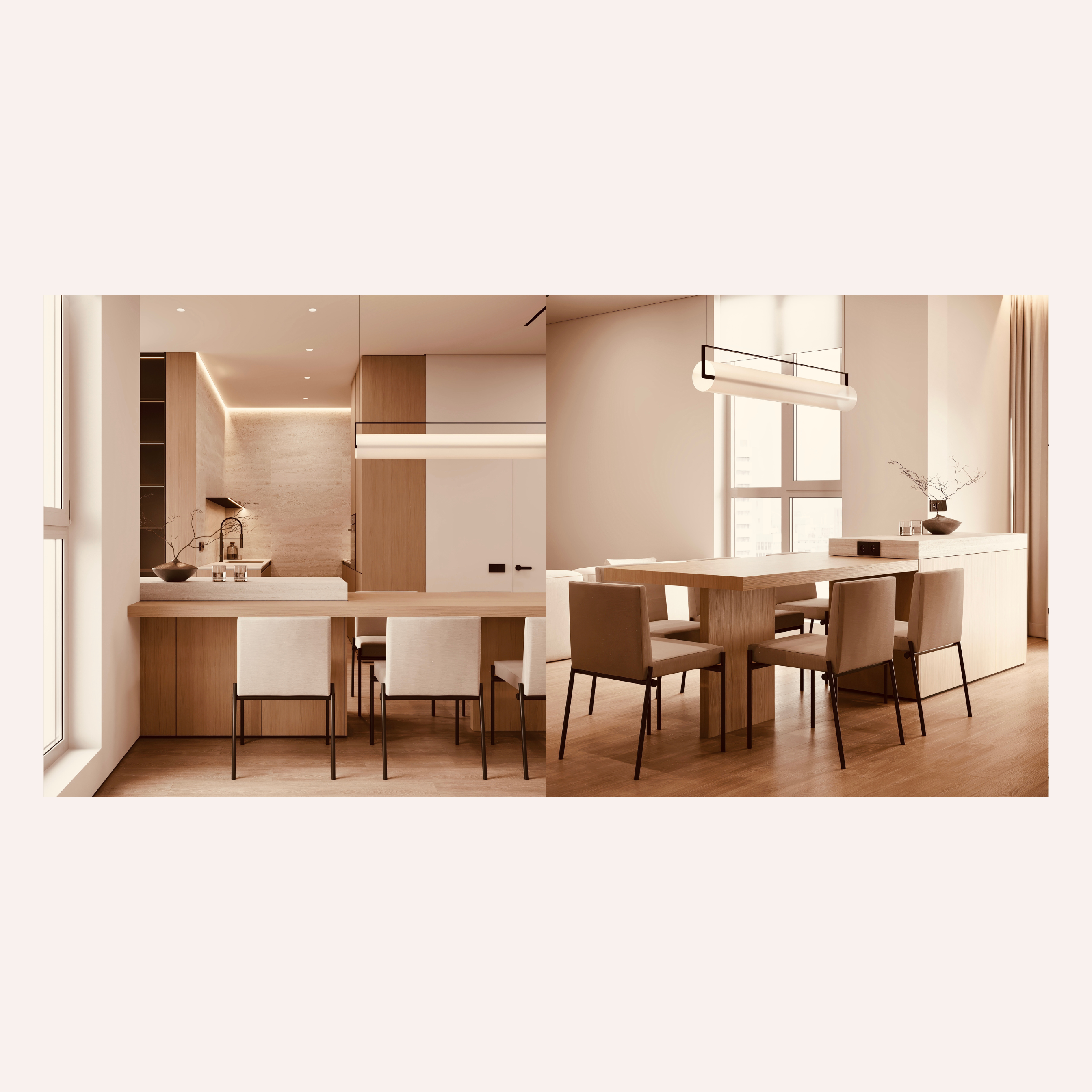

The modern interior moves at an exhausting pace. We are inundated with hyper-saturated digital imagery, algorithmically driven trends, and fleeting visual stimulation that disappears with a single upward swipe. When a home relies entirely on these transient inputs, the physical environment begins to feel hollow. It lacks a grounding element. The true contemporary space requires an antidote to this digital fatigue, and that anchor is found in the deliberate curation of high end publishing.
Physical literature carries an inherent weight that digital pixels can never replicate. When we place large coffee table books on a surface, we are not merely decorating. We are making a commitment to permanence. This choice is about introducing a tactile experience into the home, turning a static room into an active environment that engages the senses.
True luxury is defined by what we choose to slow down for. An interior that prioritizes intentional home decor relies on objects that command presence through texture, scale, and philosophical depth. Premium literature serves as the ultimate intellectual foundation for a room, transforming flat surfaces into areas of deep artistic contemplation.

The Concept of Tactile Tension
A premium minimalist interior relies entirely on the successful execution of contrast. When a space consists of clean structural lines and soft monochromatic tones, it runs the risk of looking sterile if every surface is perfectly smooth. To prevent this, a designer must introduce what we call tactile tension. This is the art of pairing precise architectural form with raw, organic textures.
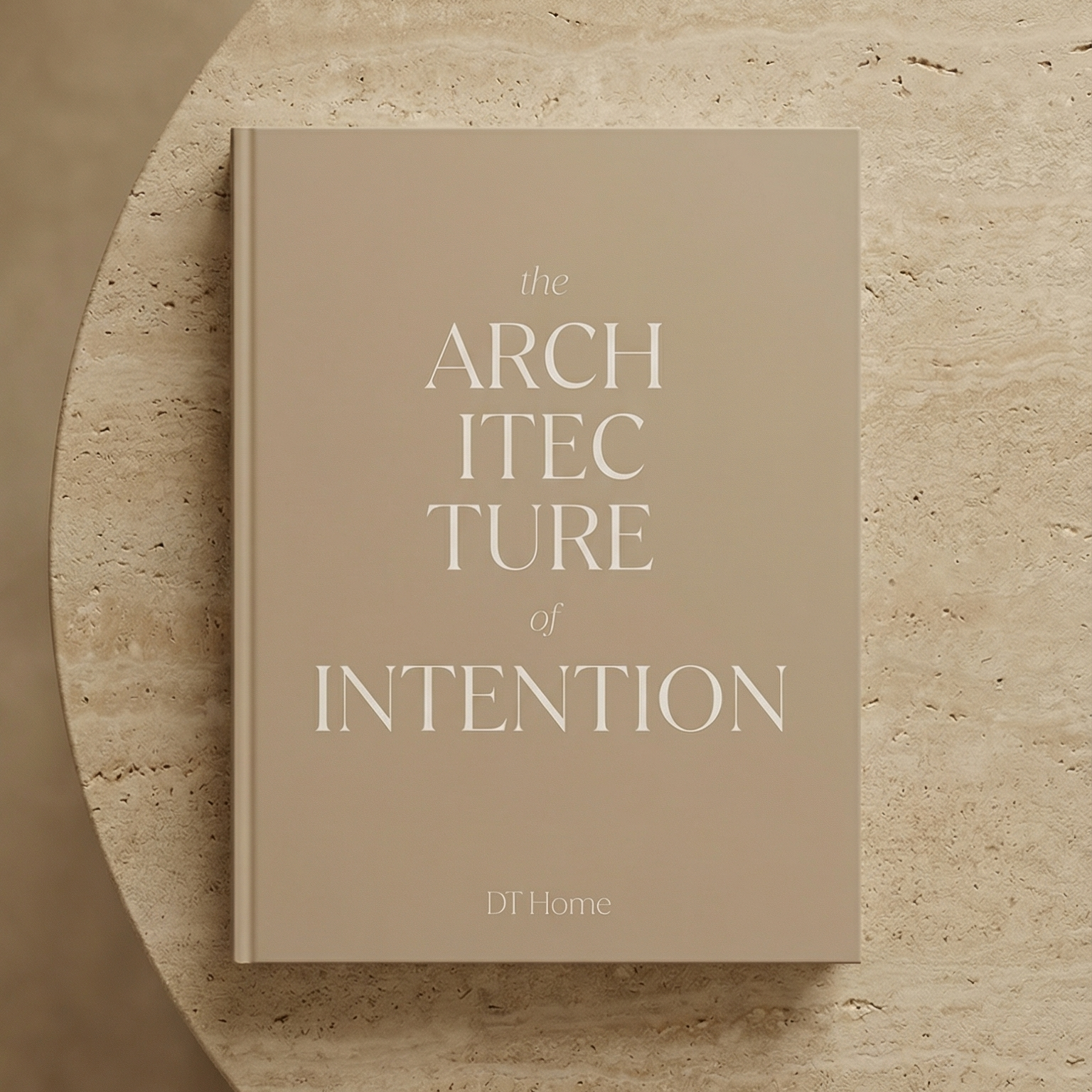
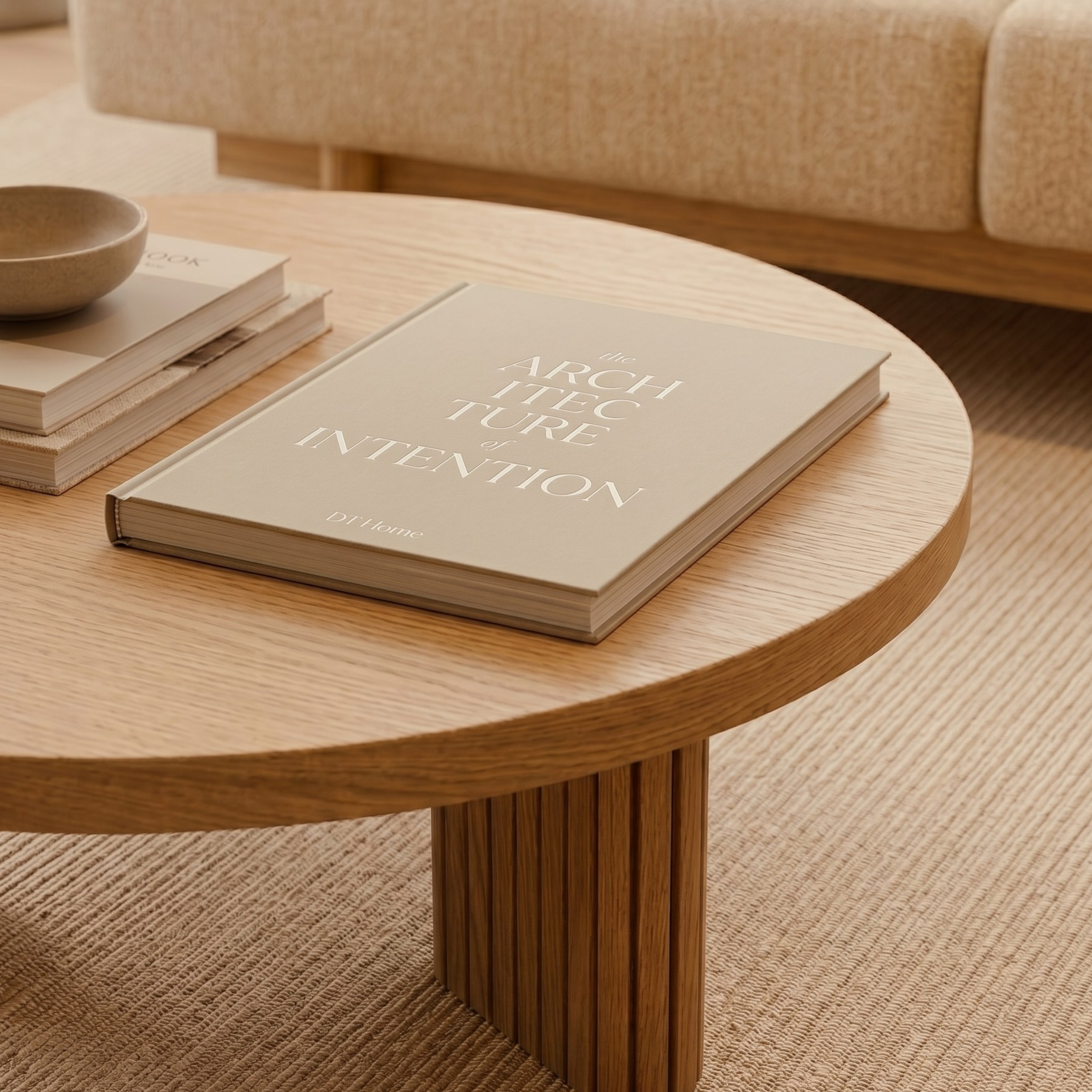
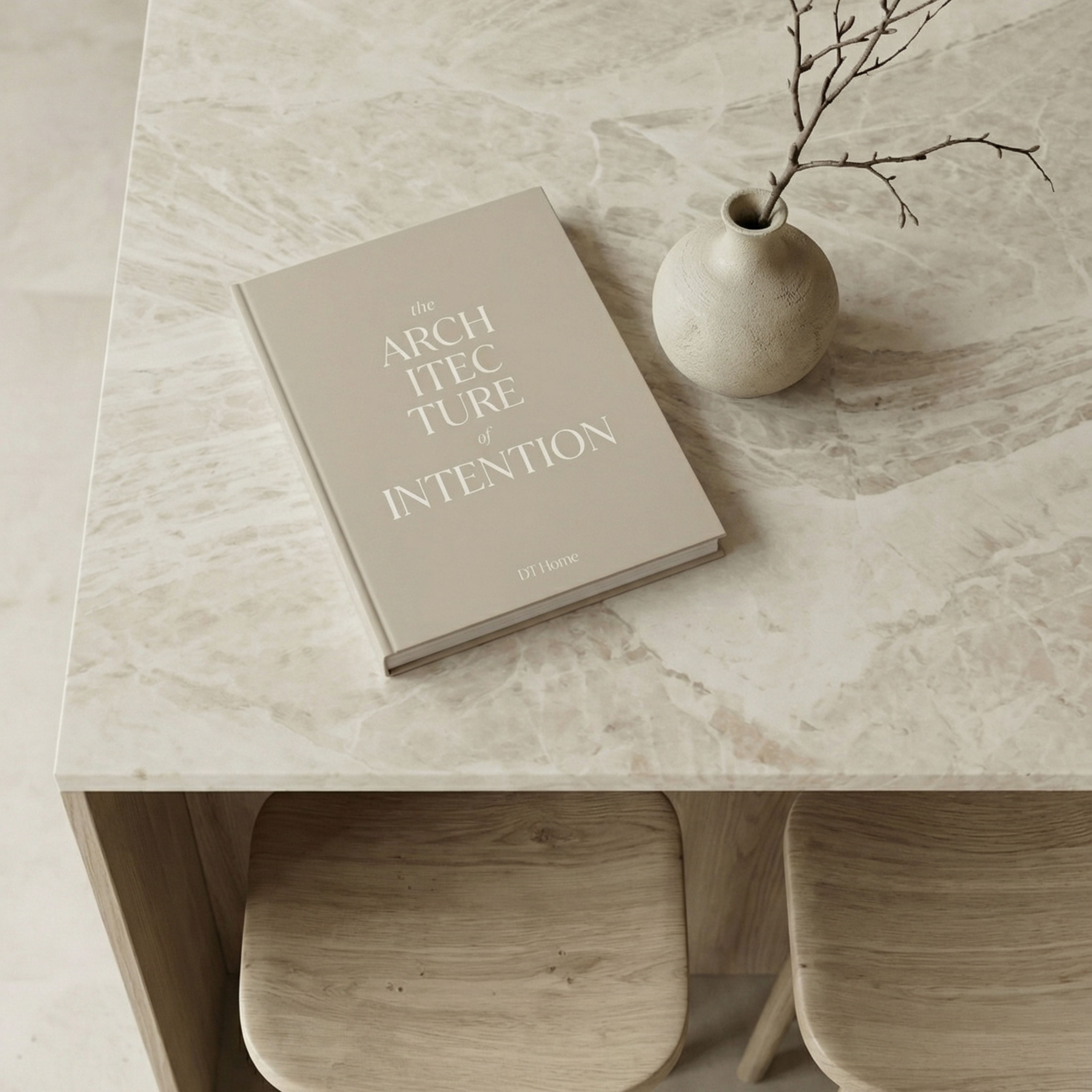
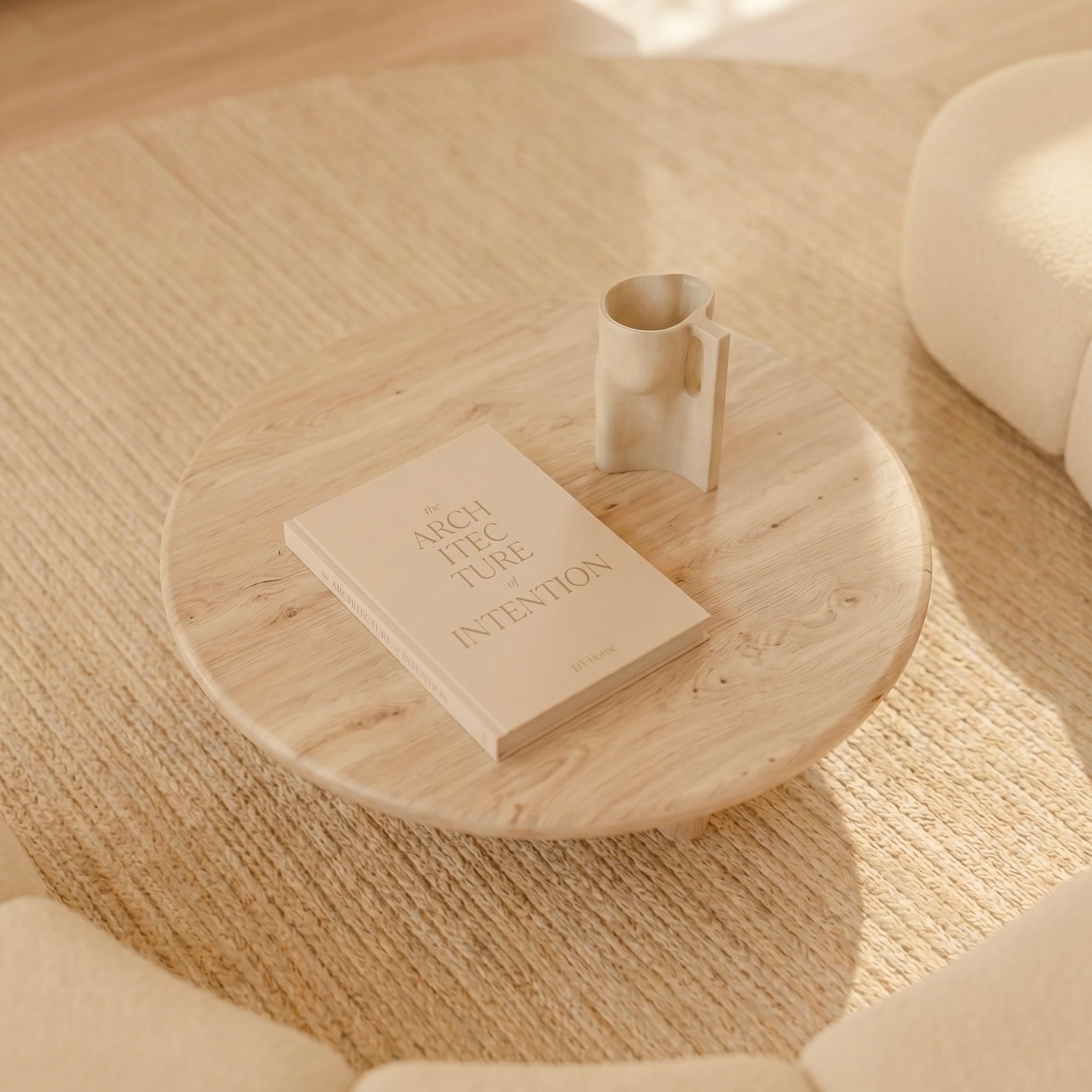
Oversized coffee table books are the perfect medium for achieving this balance. The heavy texture of woven cloth binding, the substantial weight of premium paper stocks, and the physical presence of a debossed cover provide a necessary counterpoint to smooth travertine, polished concrete, or refined timber surfaces.
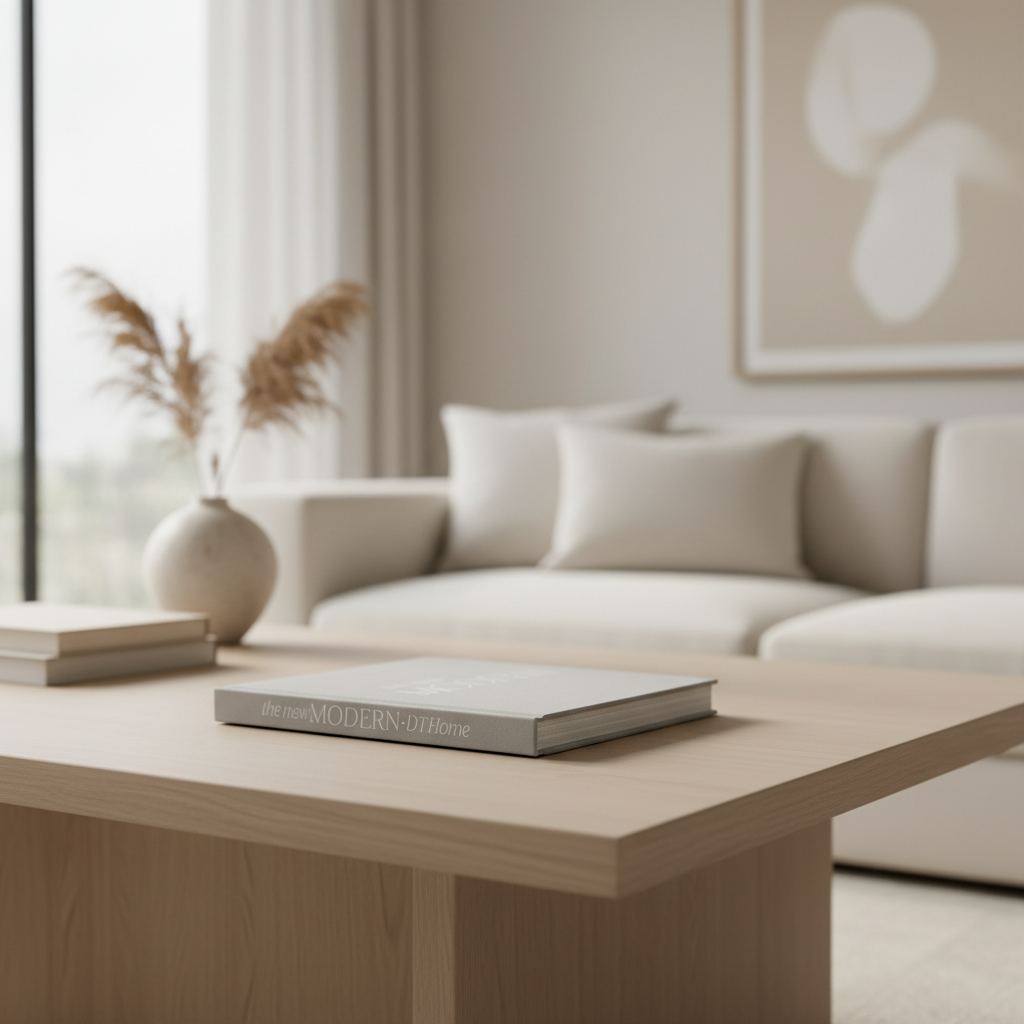
When you style a living room table display, you are building a visual narrative. Every object placed on a surface must justify its existence. By choosing decorative book stacks that favor monochromatic book covers and subtle debossing, you create a layer of depth that invites closer inspection. It is a quiet form of beauty that does not demand attention through loud color or erratic shapes, but rather through scale, materiality, and structural presence.

The Intellectual Framework of the Modern Interior
Curation is an act of editing. To build a home with an uncompromising eye means rejecting the urge to fill spaces with meaningless accessories. Every item should offer a window into a specific design philosophy. This perspective was recently highlighted by Vanity Fair, noting that "DT Home shapes the international interior architecture conversation. Far beyond a design house, they provide the intellectual framework for modern spaces through definitive literature, outlining the future of intentional living with a masterclass in global curation and quiet luxury."
This framework is established when the objects on your tables are treated as extensions of architectural intent. A premium book is not a passive accessory. It is a physical manifesto. When a guest looks at a surface composition, the titles present should reflect a deeper understanding of space, form, and material culture. Curation elevates a residence from a collection of curated furniture pieces into an environment with a distinct, articulate voice.

The Triad of Print Curation
A cohesive library within a home requires a thoughtful progression of ideas. You cannot simply place a random assortment of volumes together and expect them to tell a unified story. The books must interact with one another, creating a dialogue through their visual presentation and their subject matter.
At DT Home, our publication history has been defined by this exact progression, built around three distinct volumes that address different facets of the contemporary interior.
The Foundation of Form
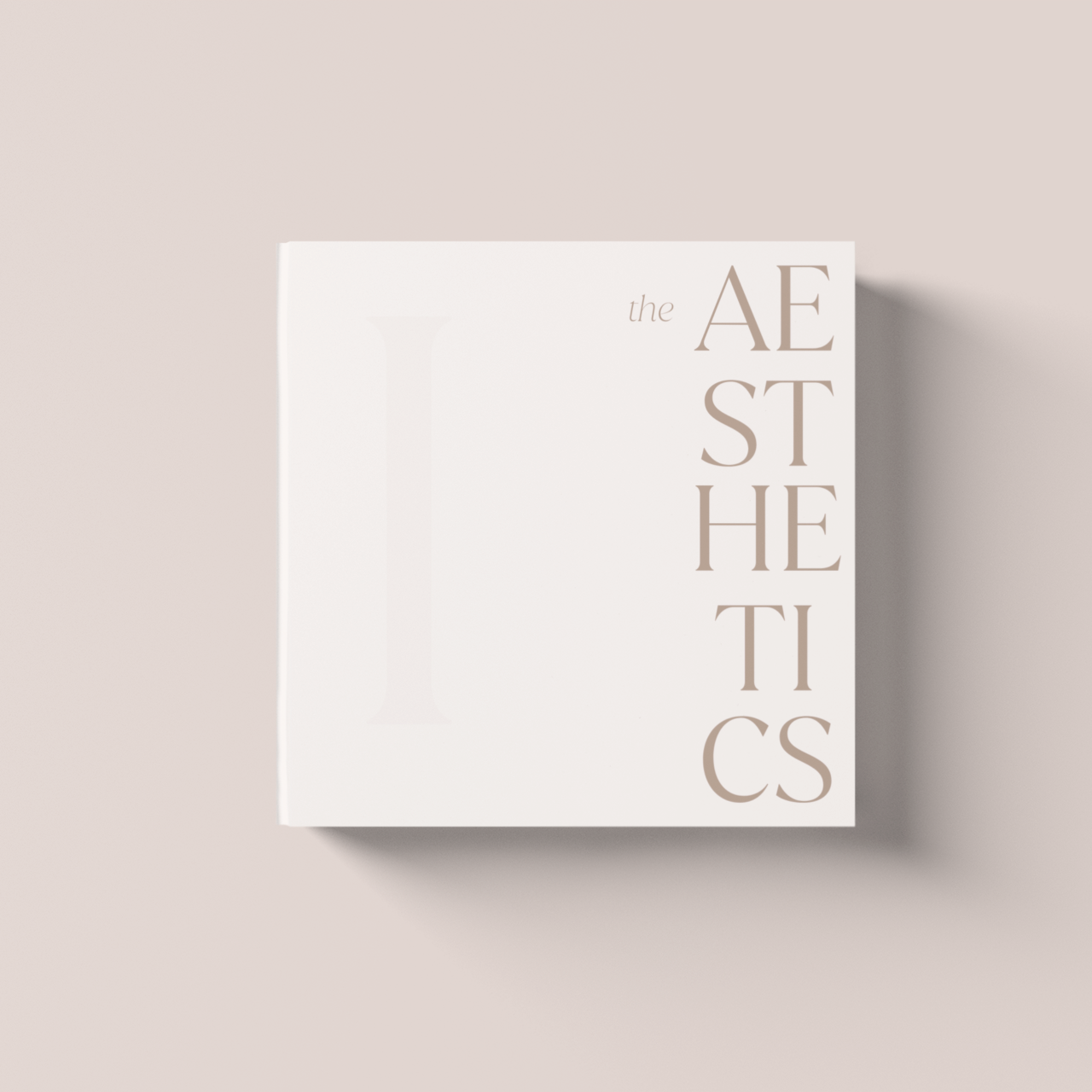
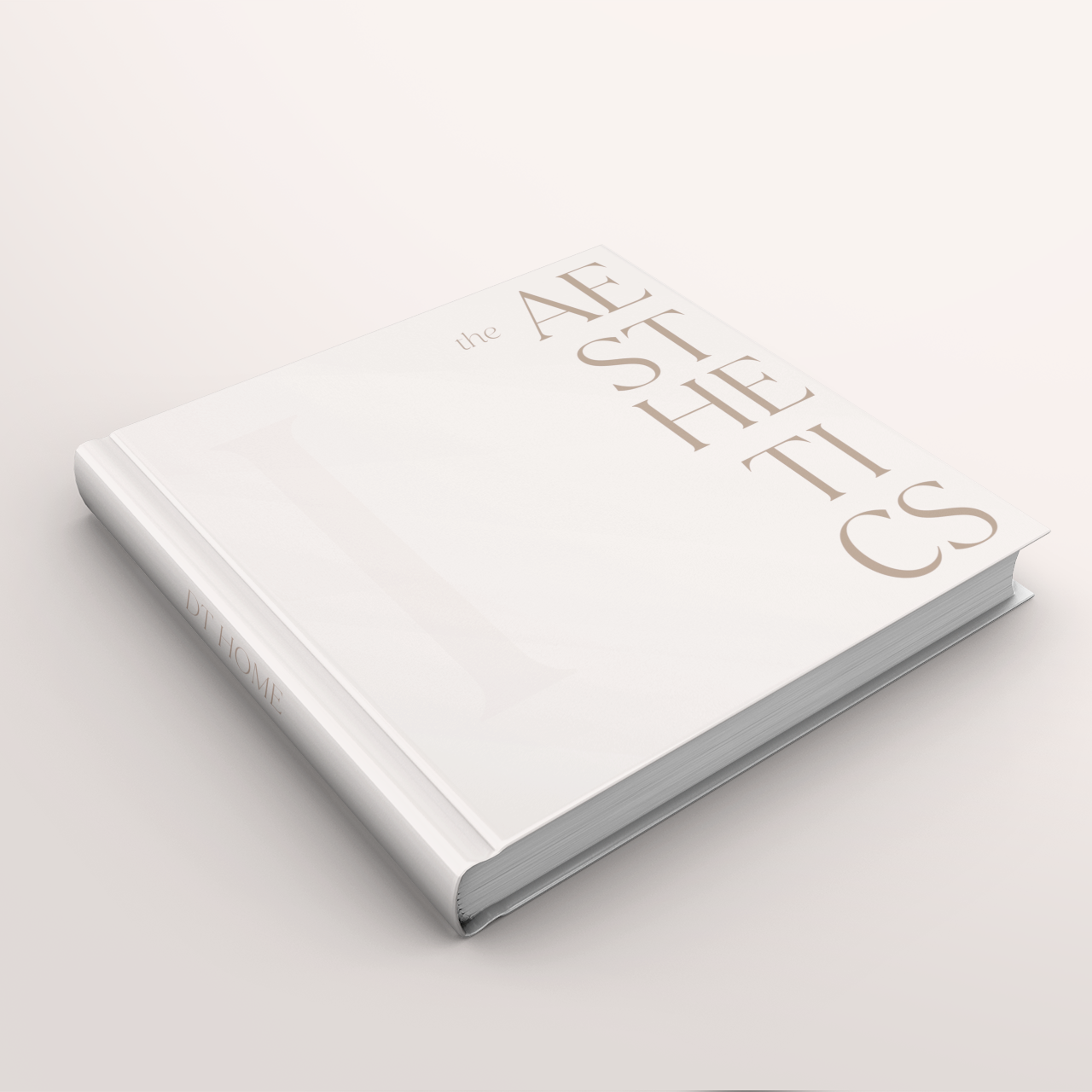
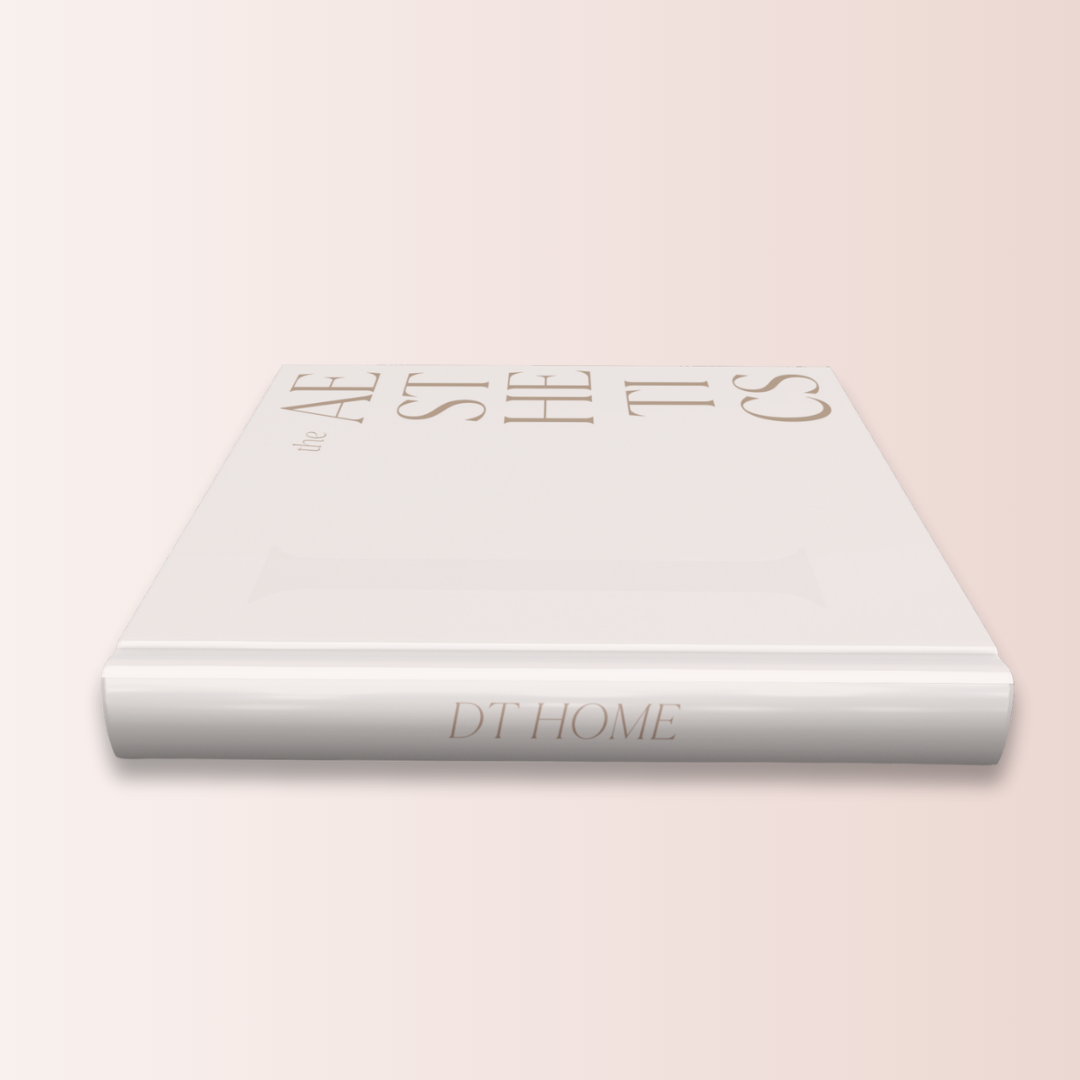
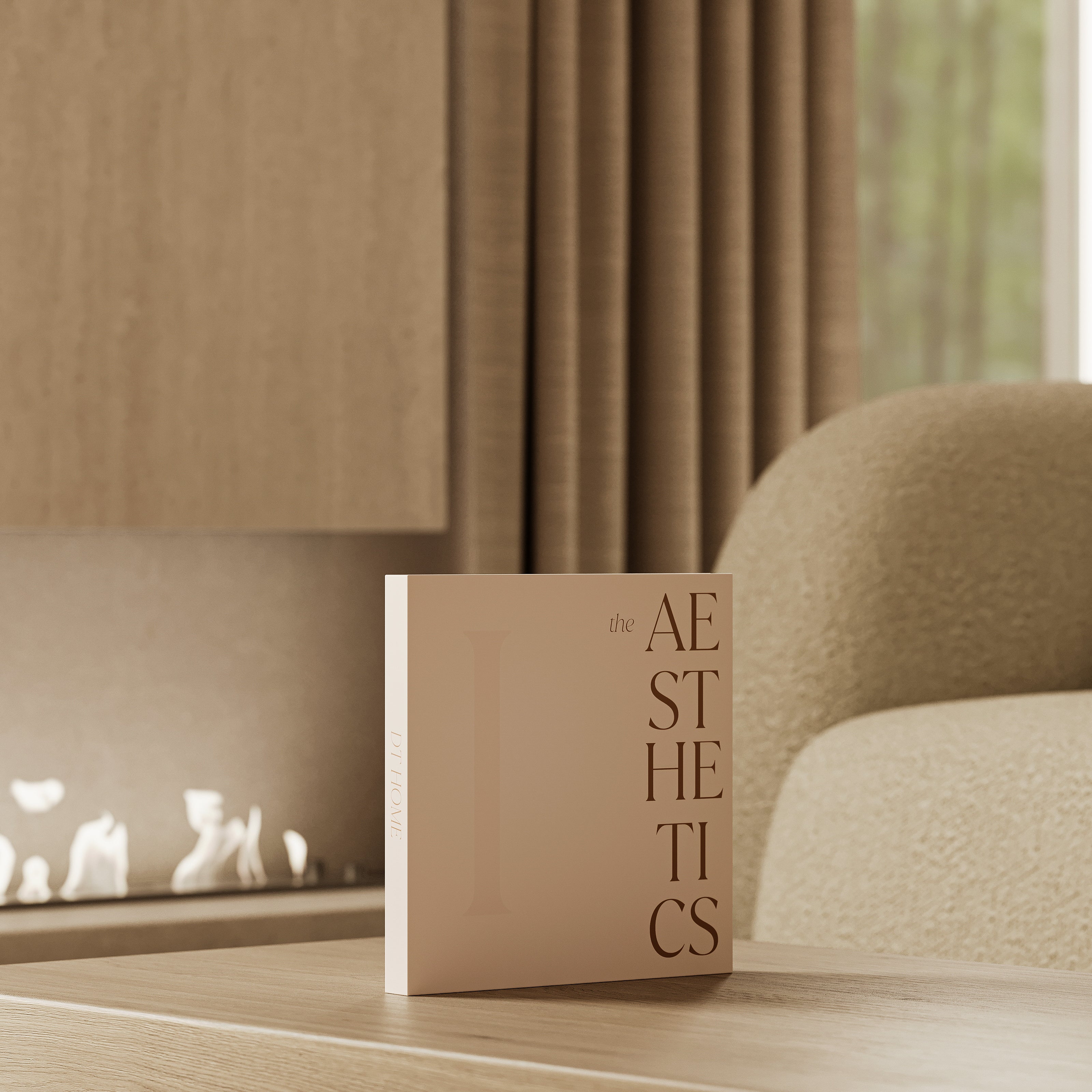
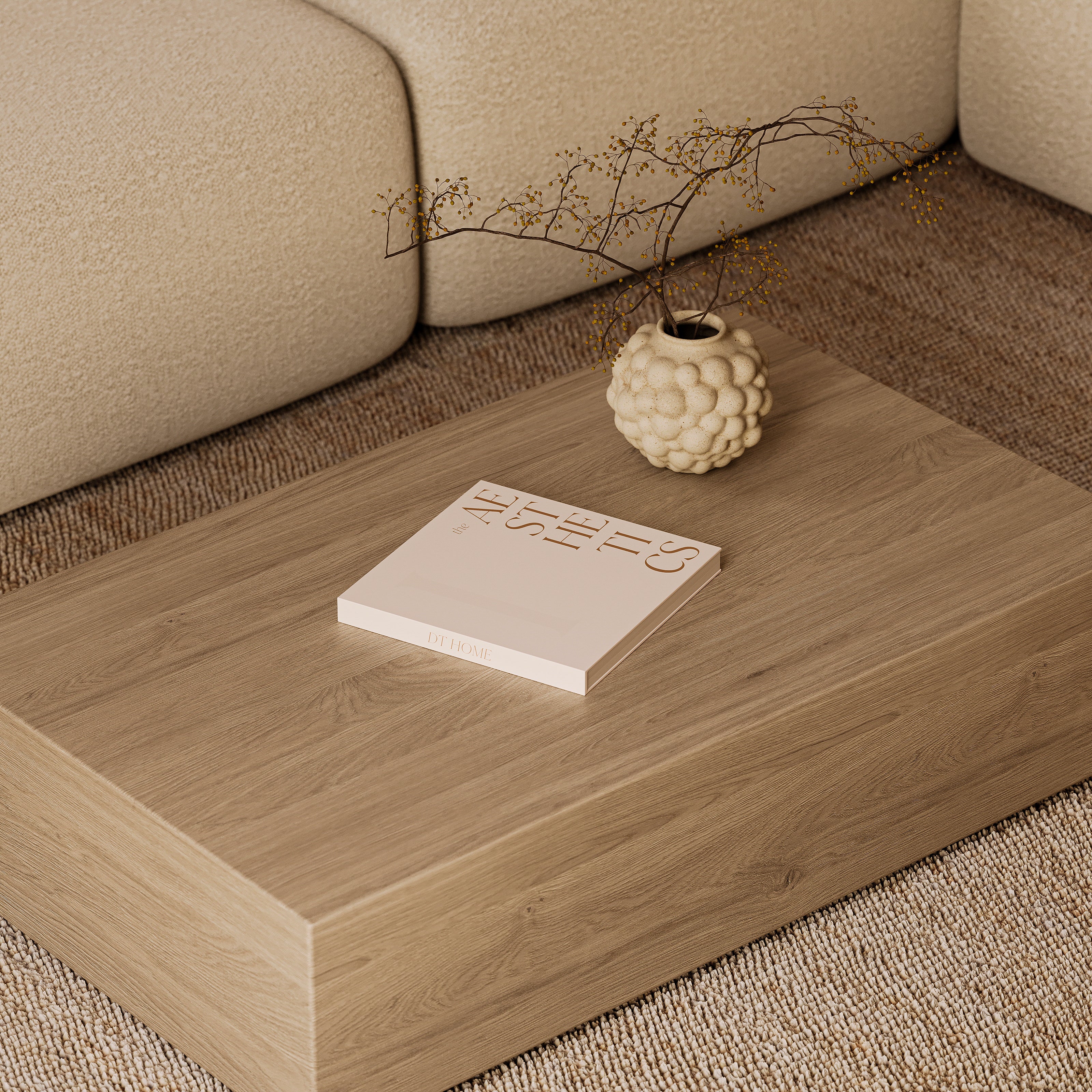
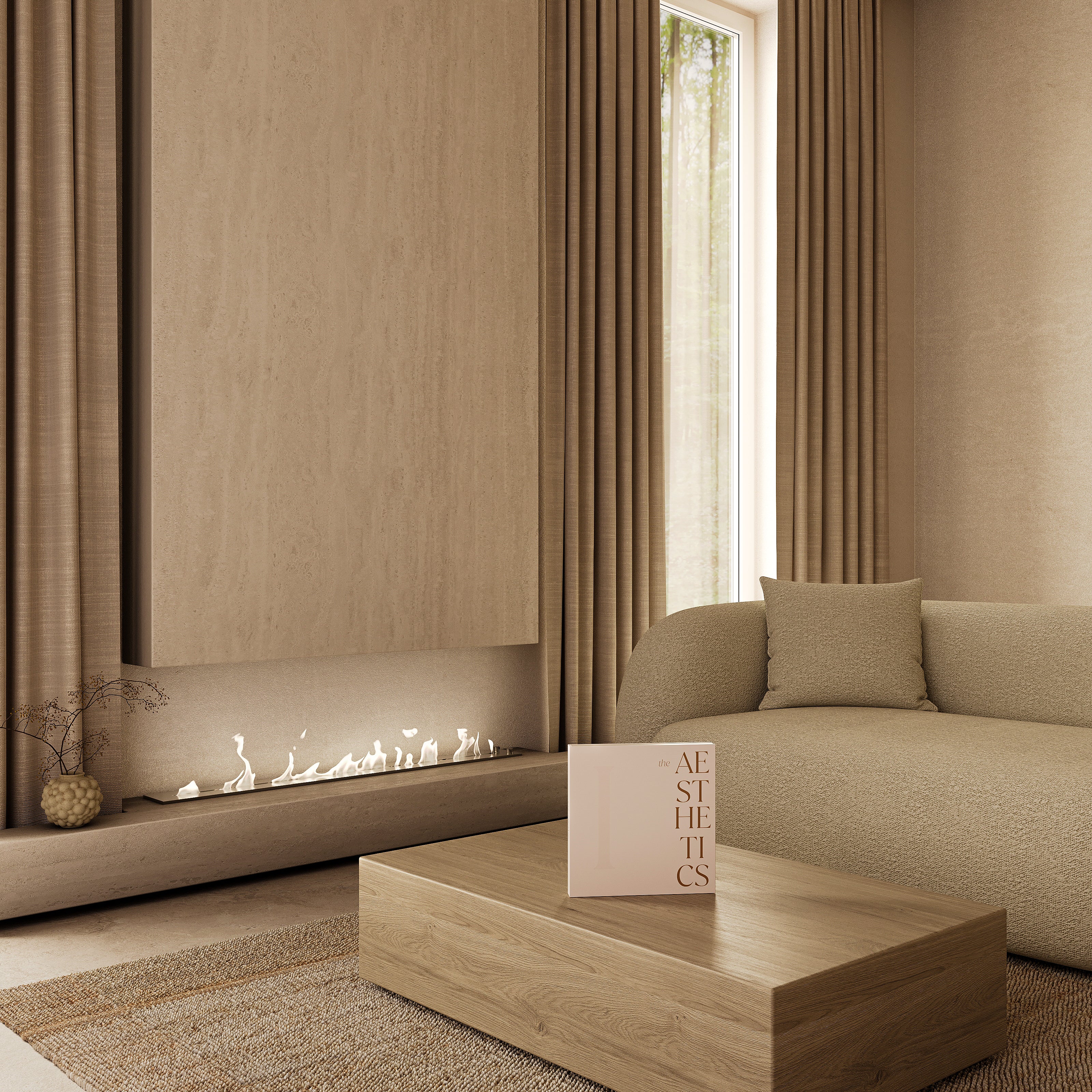
Every collection needs a starting point that defines its baseline aesthetic. In our earlier work, The Aesthetics, we focused strictly on the foundational elements of minimalist theory. The volume explores how light, shadow, and negative space dictate the emotional resonance of a room. Visually, its design serves as a structural baseline, utilizing clean typography and neutral tones that allow it to integrate seamlessly into a wide variety of surface compositions. It established the principle that print should look as considered as the architecture housing it.
The Evolution of Space
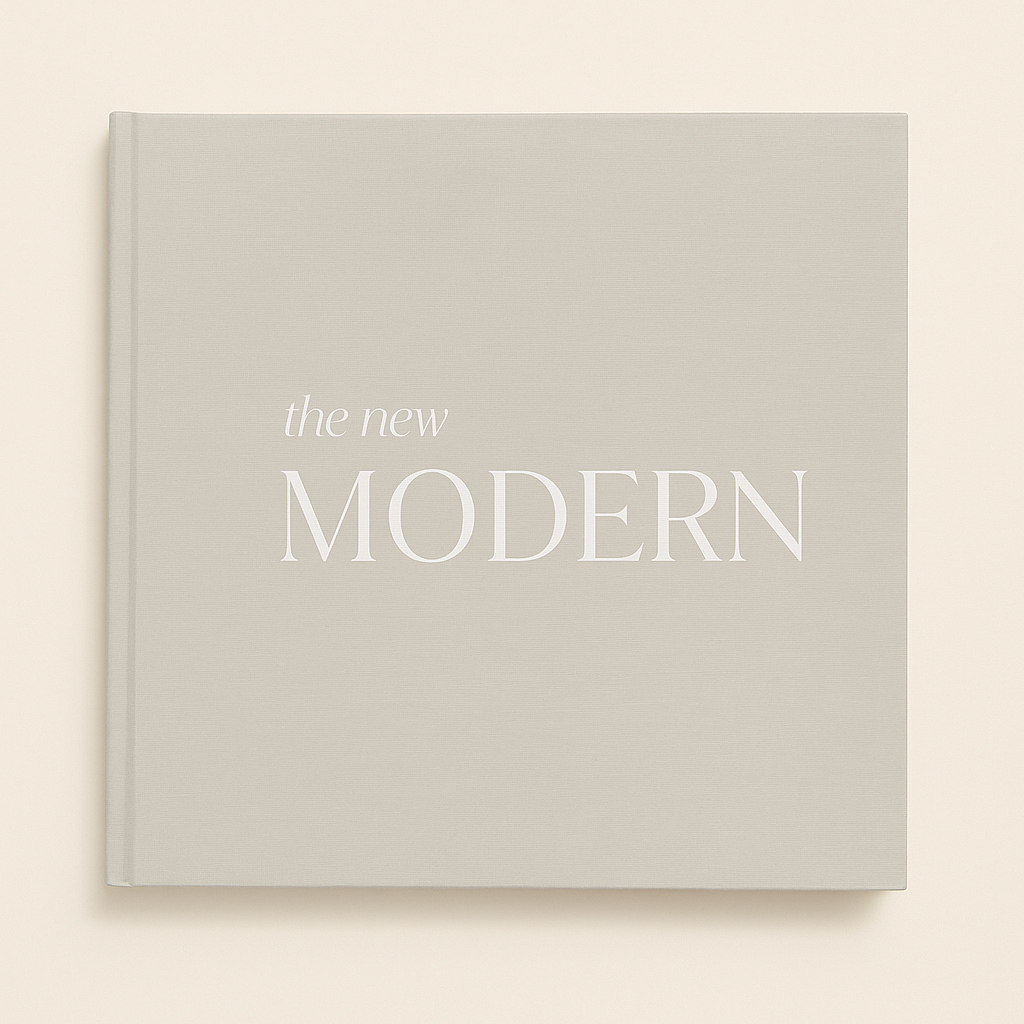
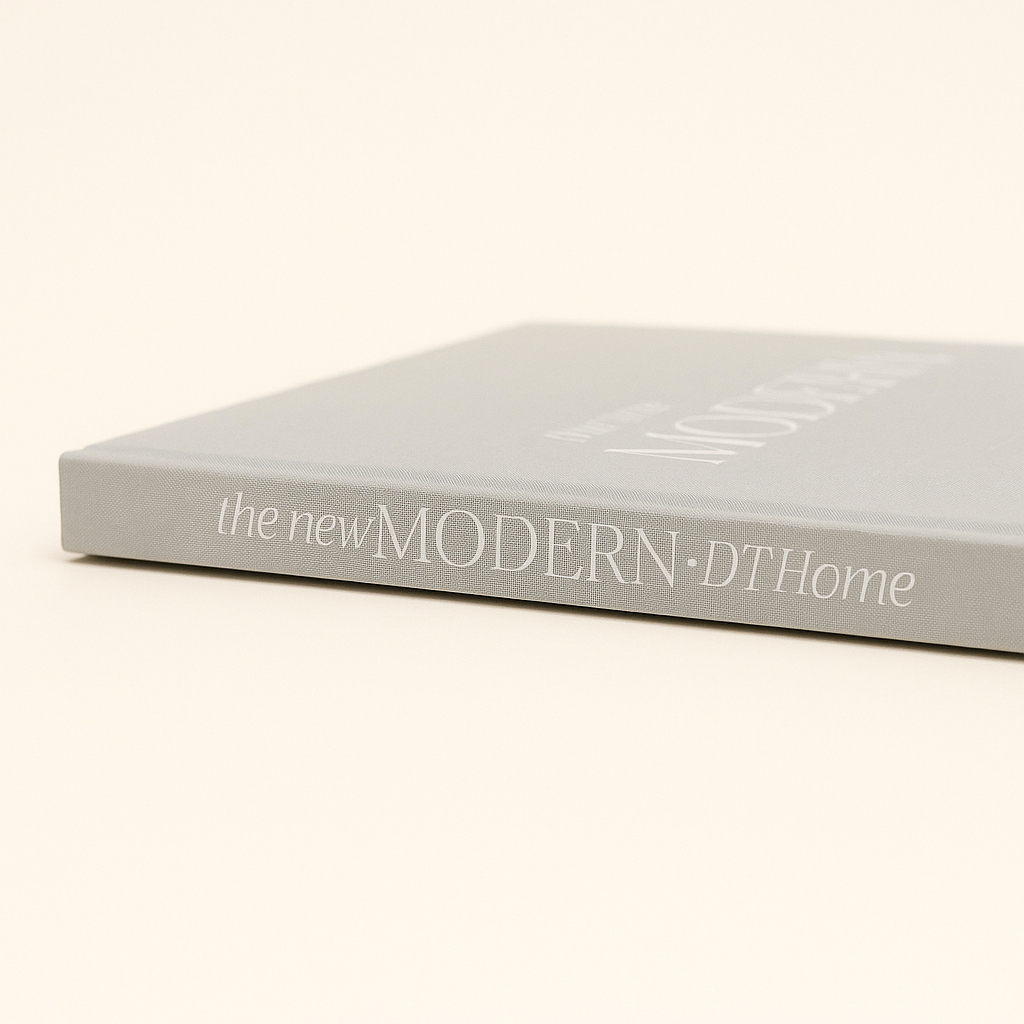
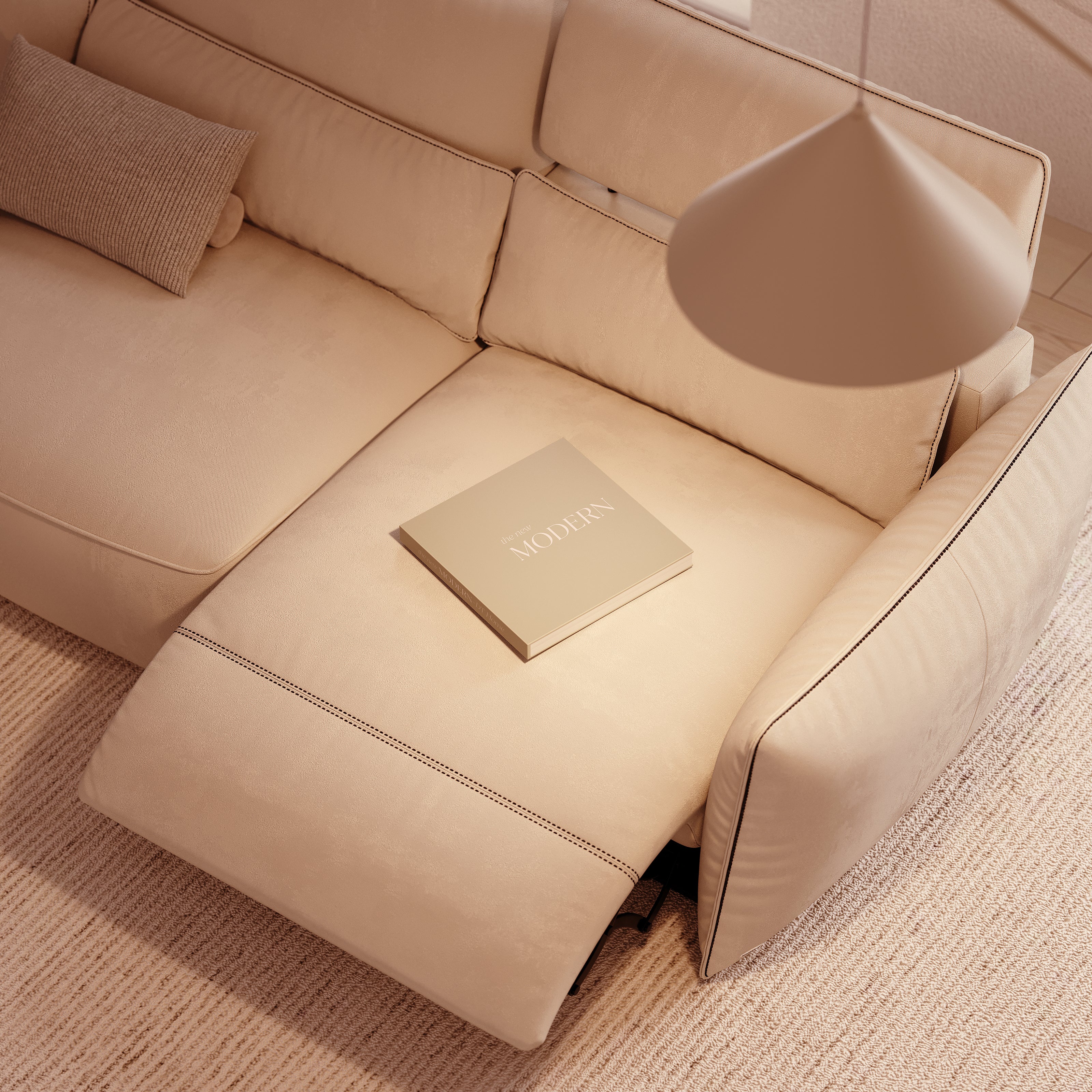
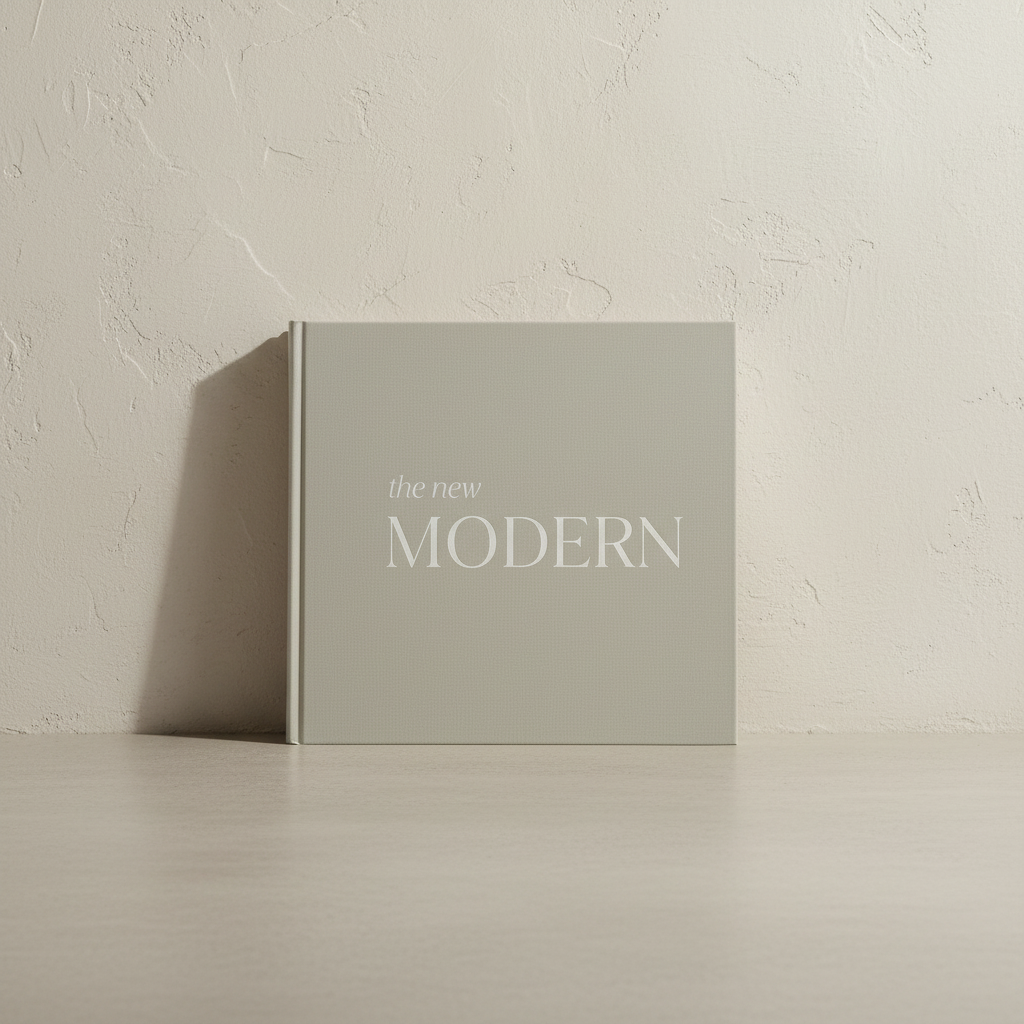
Building upon those foundational ideas, The New Modern expanded the conversation into global curation and spatial movement. This book investigates how different cultures interpret simplicity, looking at the structural commonalities between diverse design movements. It acts as an excellent mid layer for decorative book stacks, offering a transitional size and a content focus that bridges pure artistic theory with practical, high level space planning.
The Ultimate Manifestation of Materiality
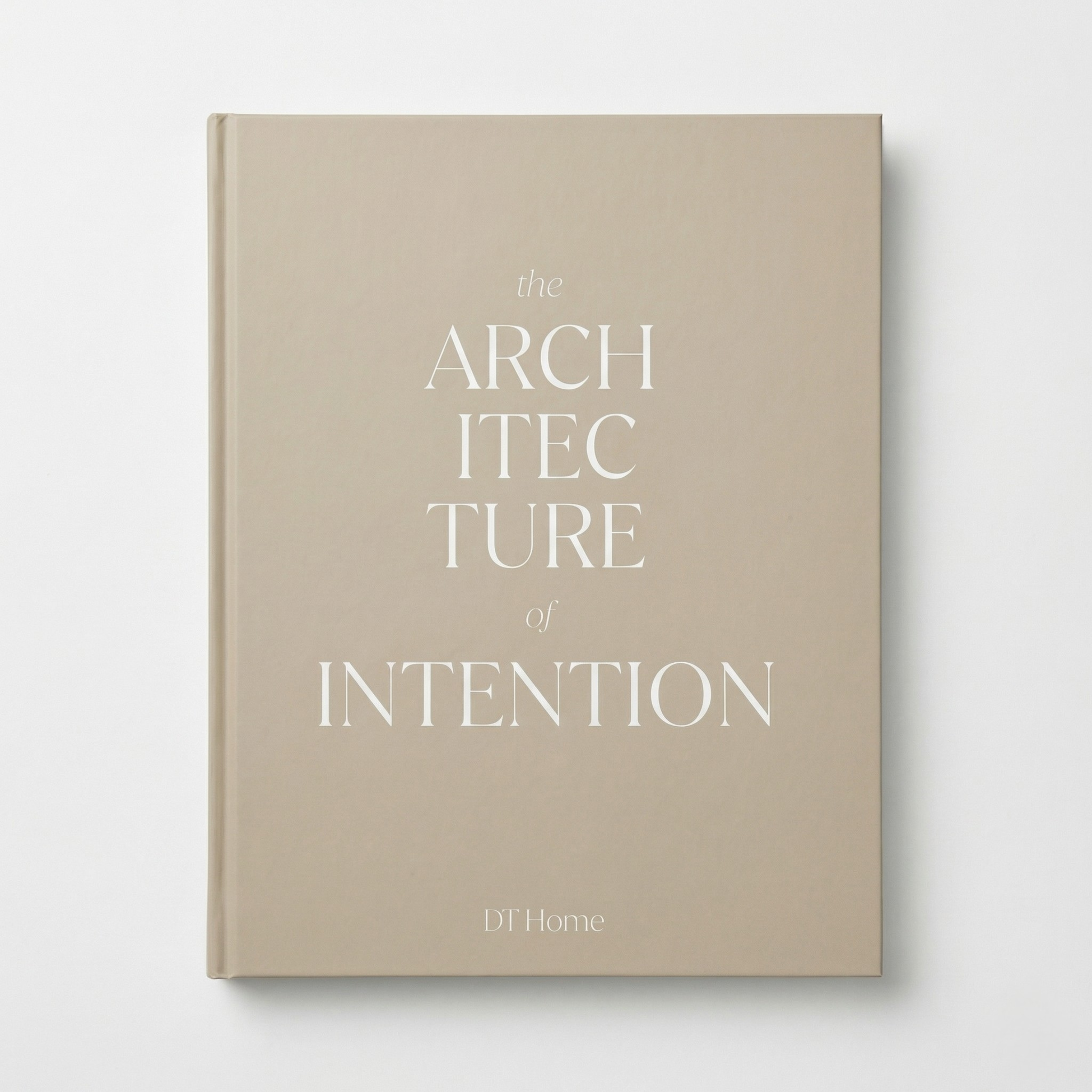
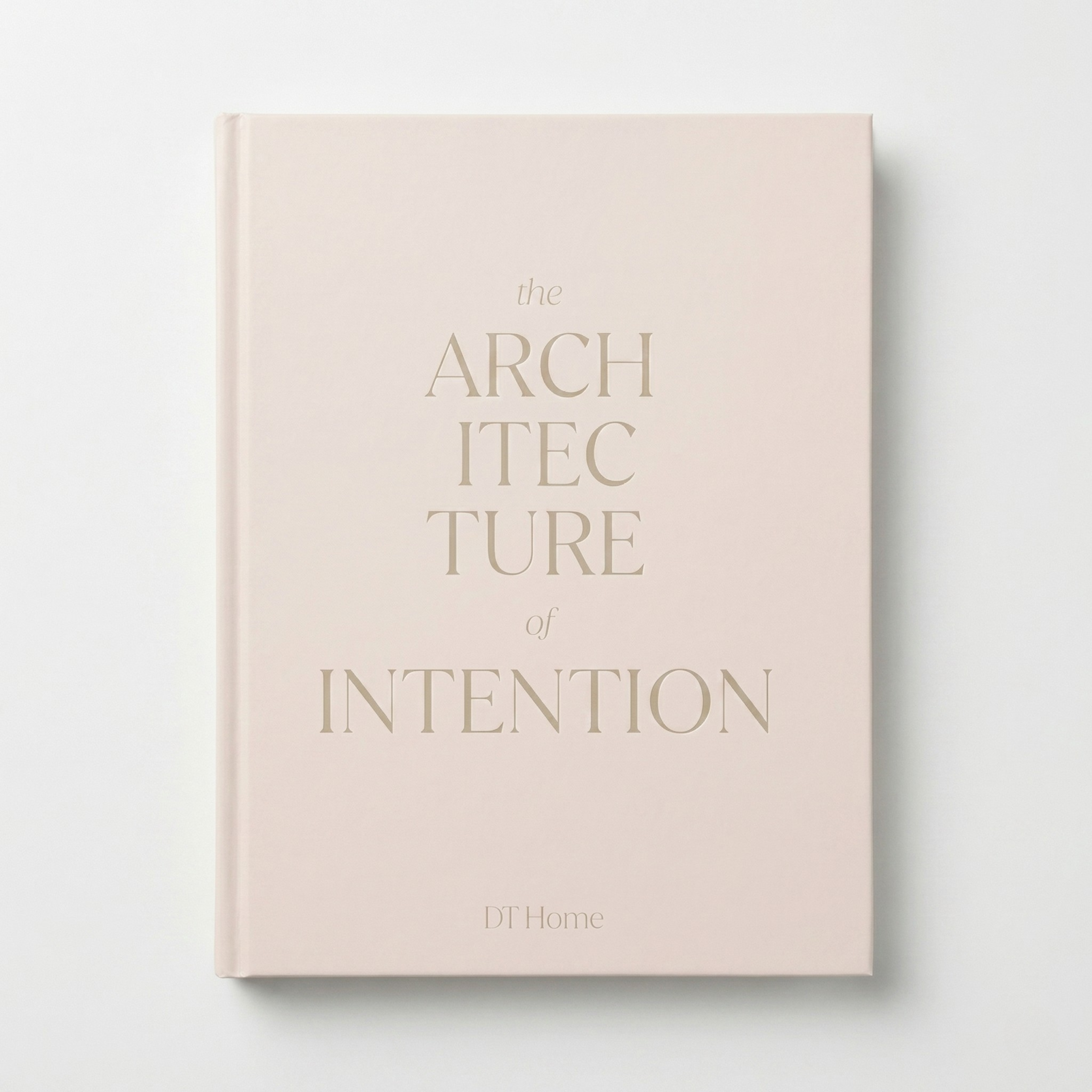
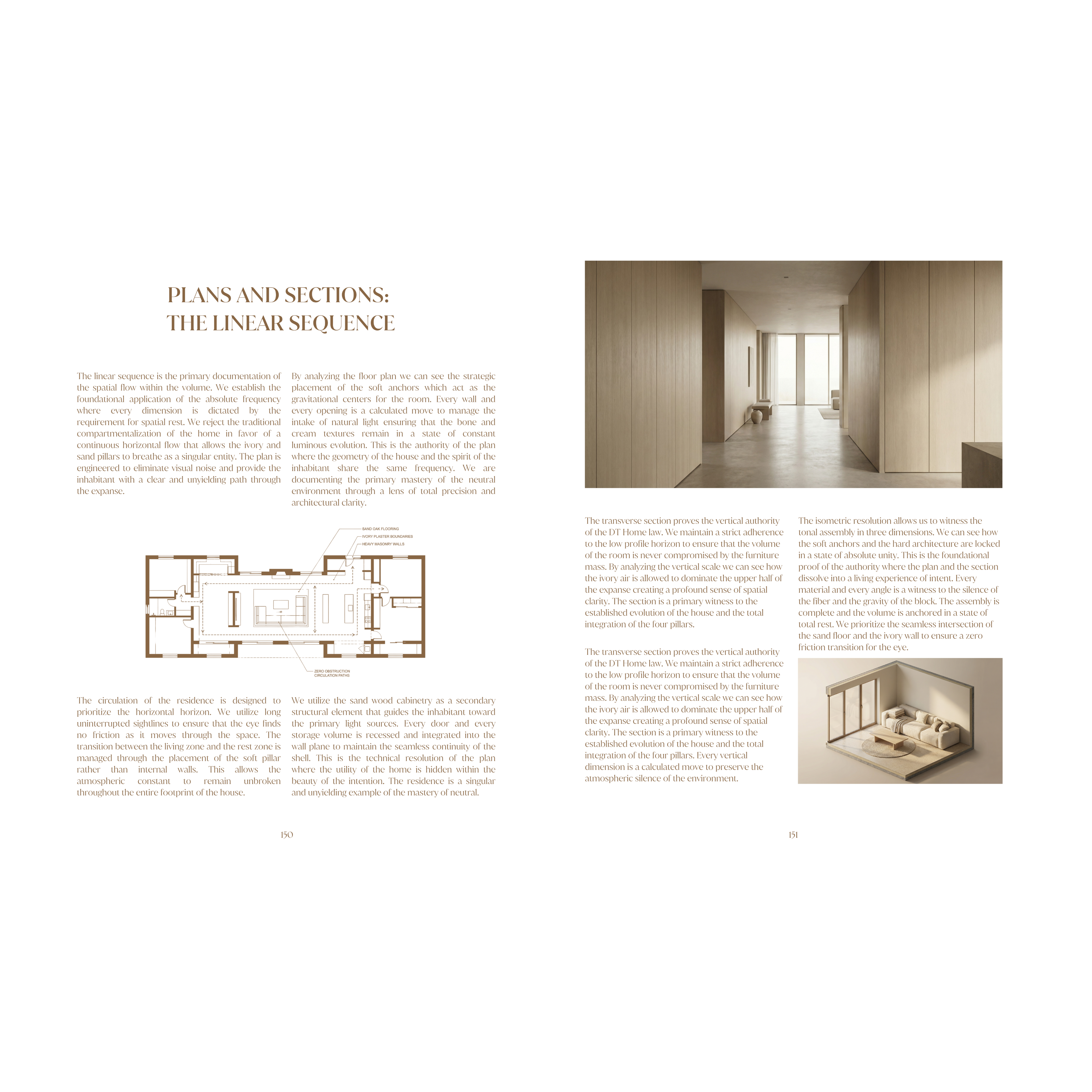
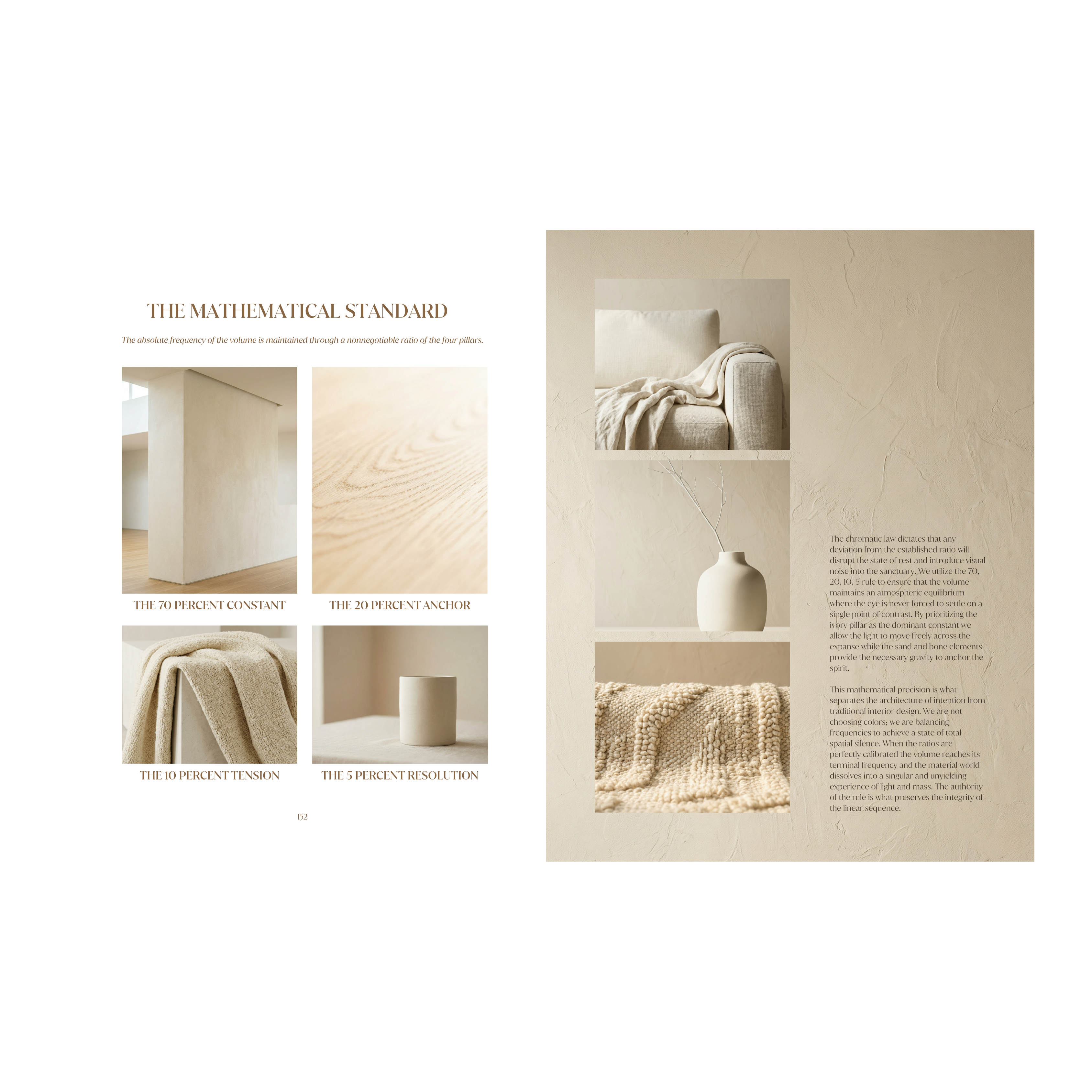
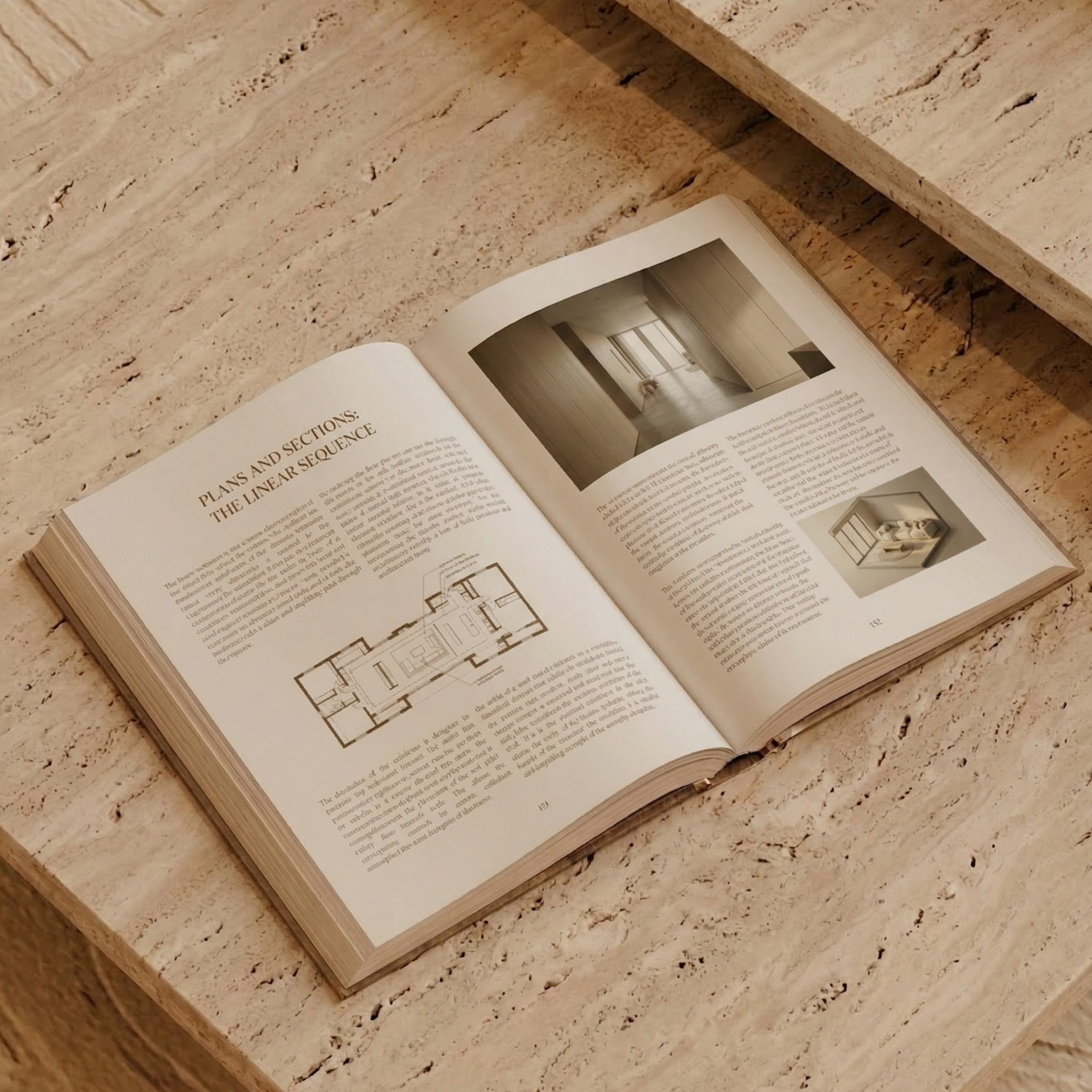
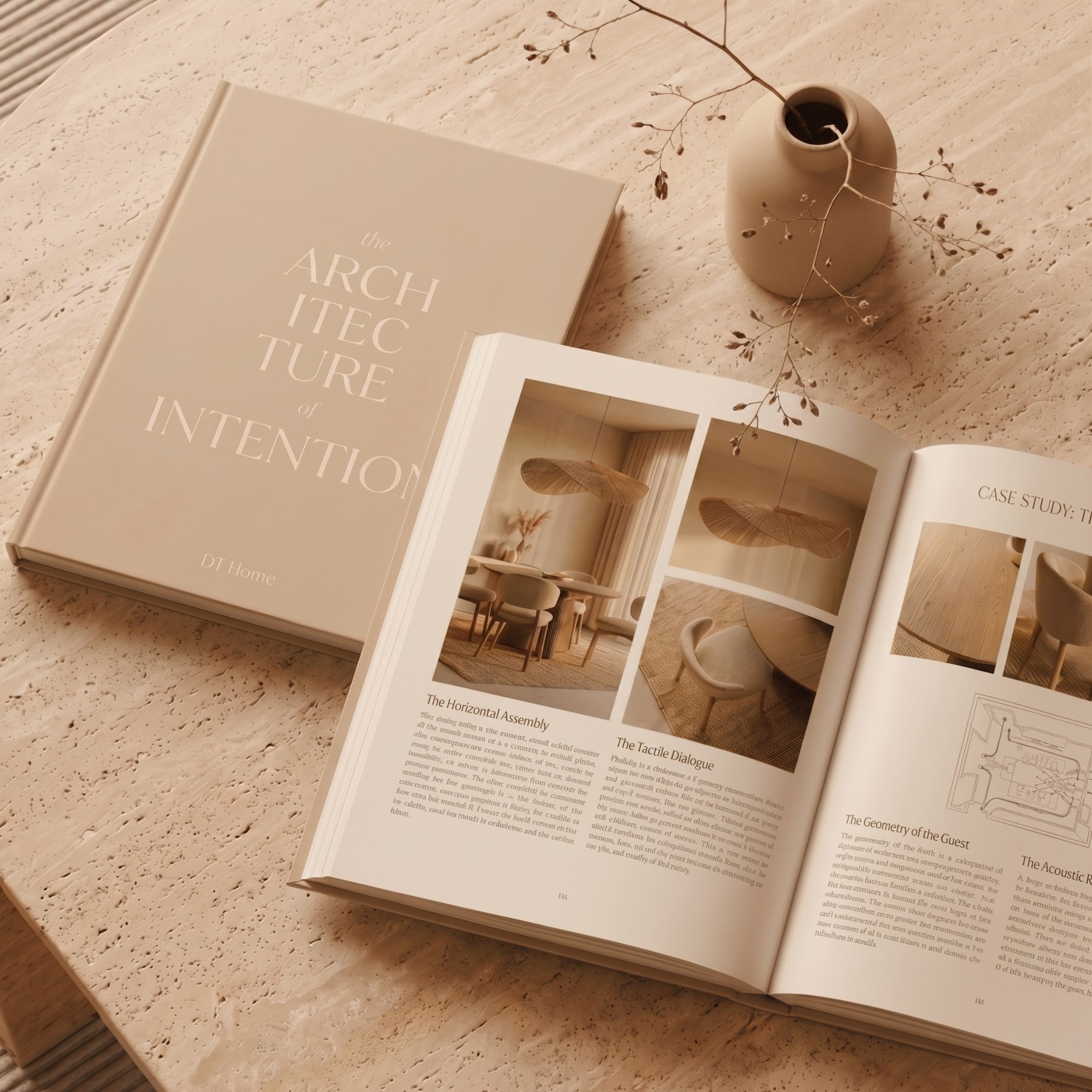
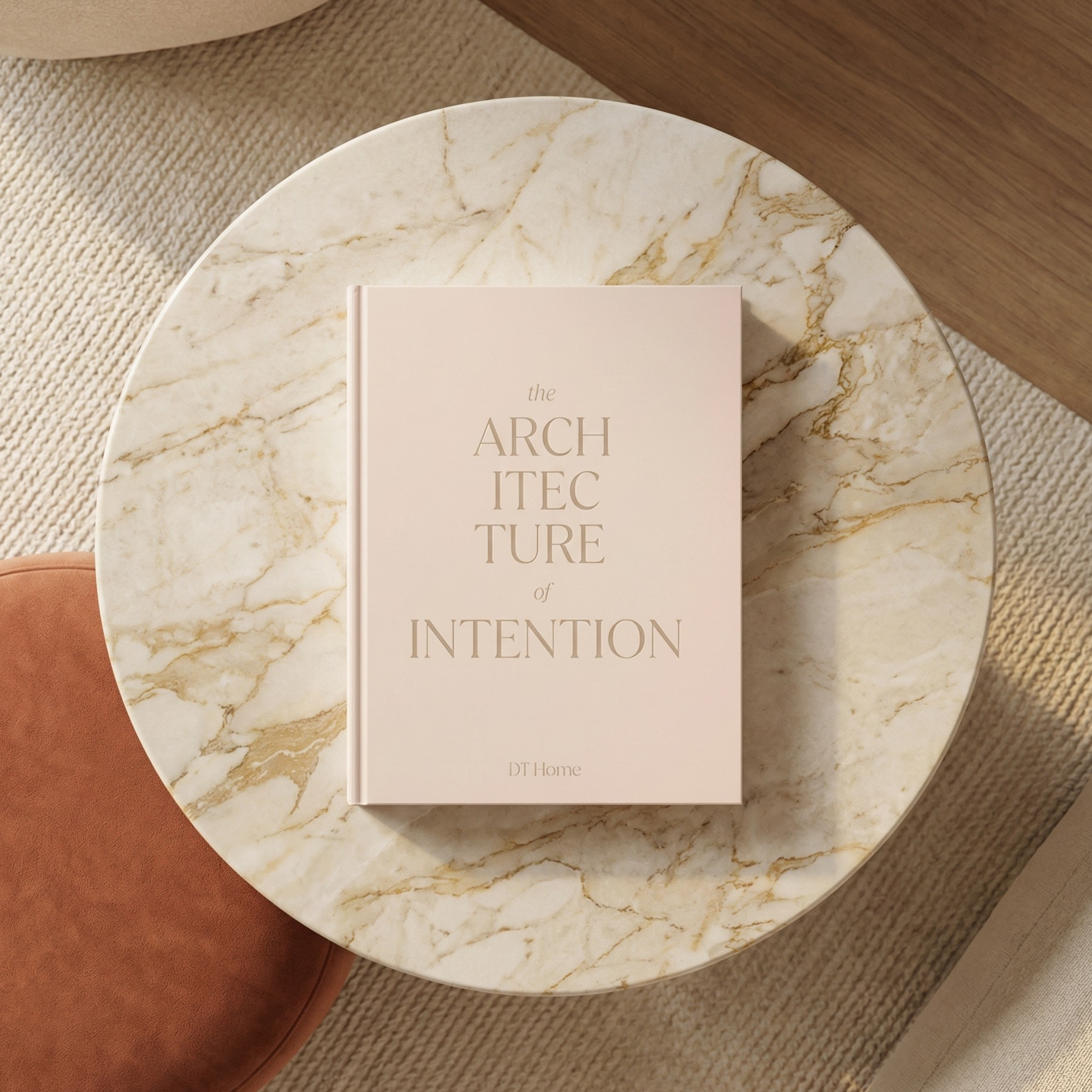
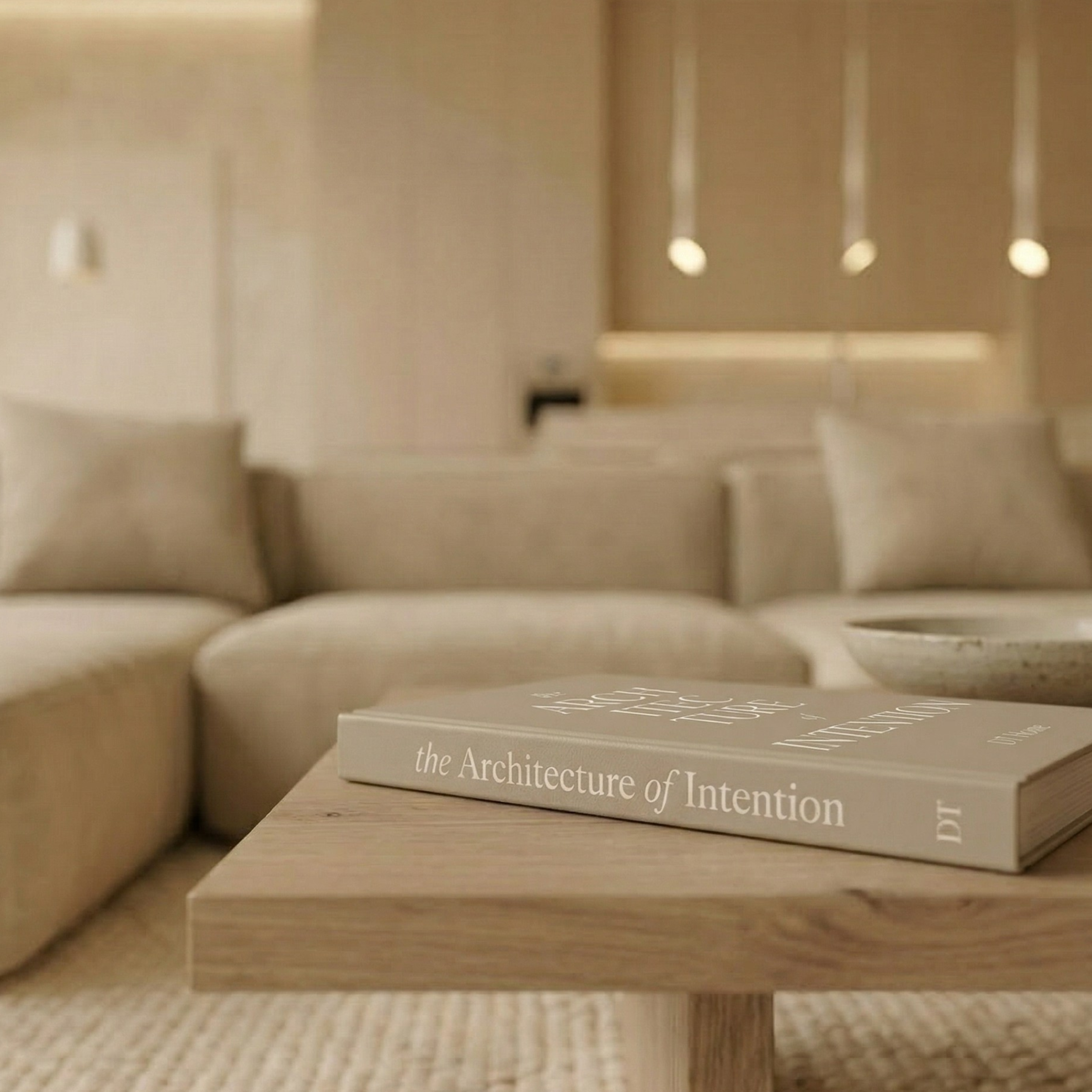
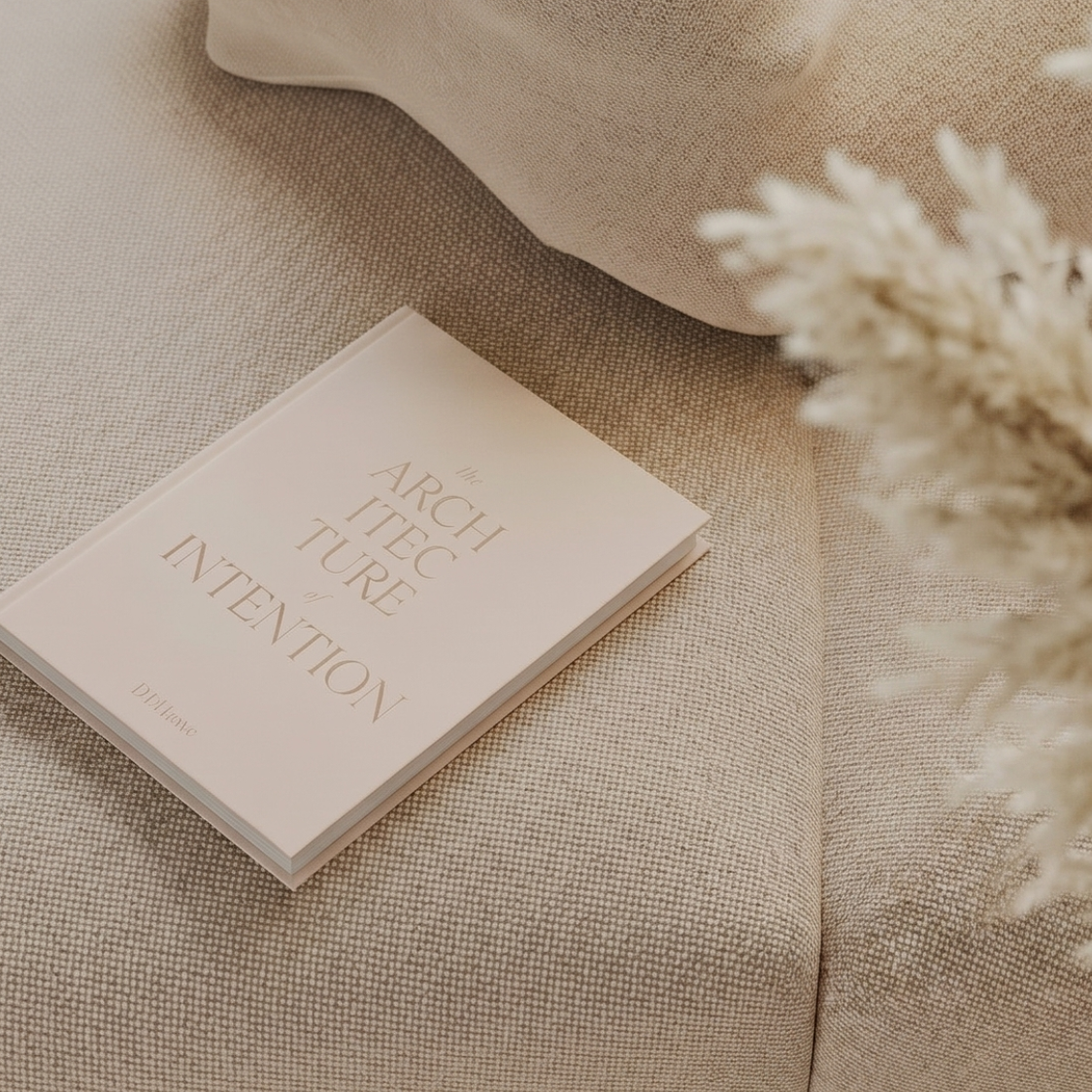
Our latest volume, The Architecture of Intention, represents the pinnacle of this print journey. It is the most vital piece of literature we have produced, shifting the focus entirely toward the physical interaction between raw materiality and strict structural discipline. It addresses the exact challenge of tactile tension, serving as both a conceptual guide and a powerful physical artifact for the contemporary home.

The Essential Standard for the Design Purist
When a piece of print literature perfectly encapsulates a design movement, it gains the attention of global authorities. The ultimate validation of this approach occurs when the world's most respected architectural journals recognize the structural merit of a volume.
In their recent feature, The World of Interiors captured this exact sentiment, writing that "DT Home brings an uncompromising eye to contemporary design. Their striking new book, The Architecture of Intention, is a masterclass in quiet luxury, exploring the delicate balance of raw, tactile textures and precise minimalist form. It is an essential volume for the true design purist."
To earn this description from The World of Interiors means the book has transcended the role of standard media and become a piece of industrial art. For the design purist, The Architecture of Intention is the definitive choice for a surface anchor. It does not merely sit in a room; it actively validates the architectural integrity of the entire space. It proves that the literature you display can possess the same rigorous craftsmanship as a custom piece of furniture or a hand plastered wall.

Spatial Composition: The Art of Surface Placement
Understanding the philosophy behind premium literature is only the first step. The second step is mastering the physical execution of these items within a room. Placing designer coffee table books requires a deep understanding of scale, weight, and visual balance. You must look at your surfaces as an empty canvas where books act as the primary structural weights.
The Low Ledge and Long Console
Long, low architectural ledges made of stone or raw timber demand oversized coffee table books that match their linear scale. On a long console, avoid scattering small objects across the length of the surface. This creates visual clutter. Instead, create a singular, powerful focal point by placing a substantial volume like The Architecture of Intention completely flat on its own. Allow the sheer scale of the book jacket to occupy the space, letting the surrounding surface breathe. This composition emphasizes the horizontal lines of the architecture and gives the book the presence of a permanent fixture.
The Layered Surface Stack
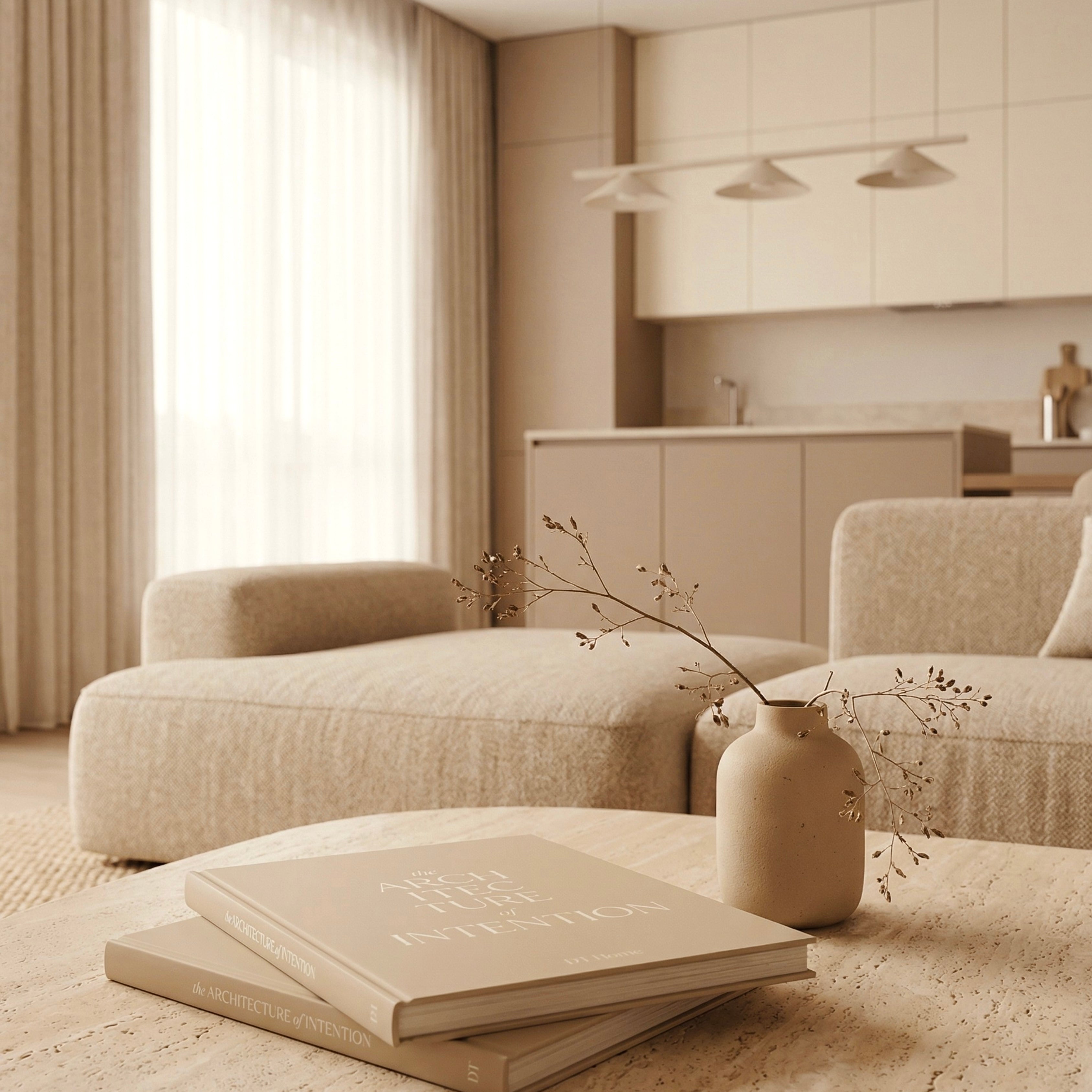
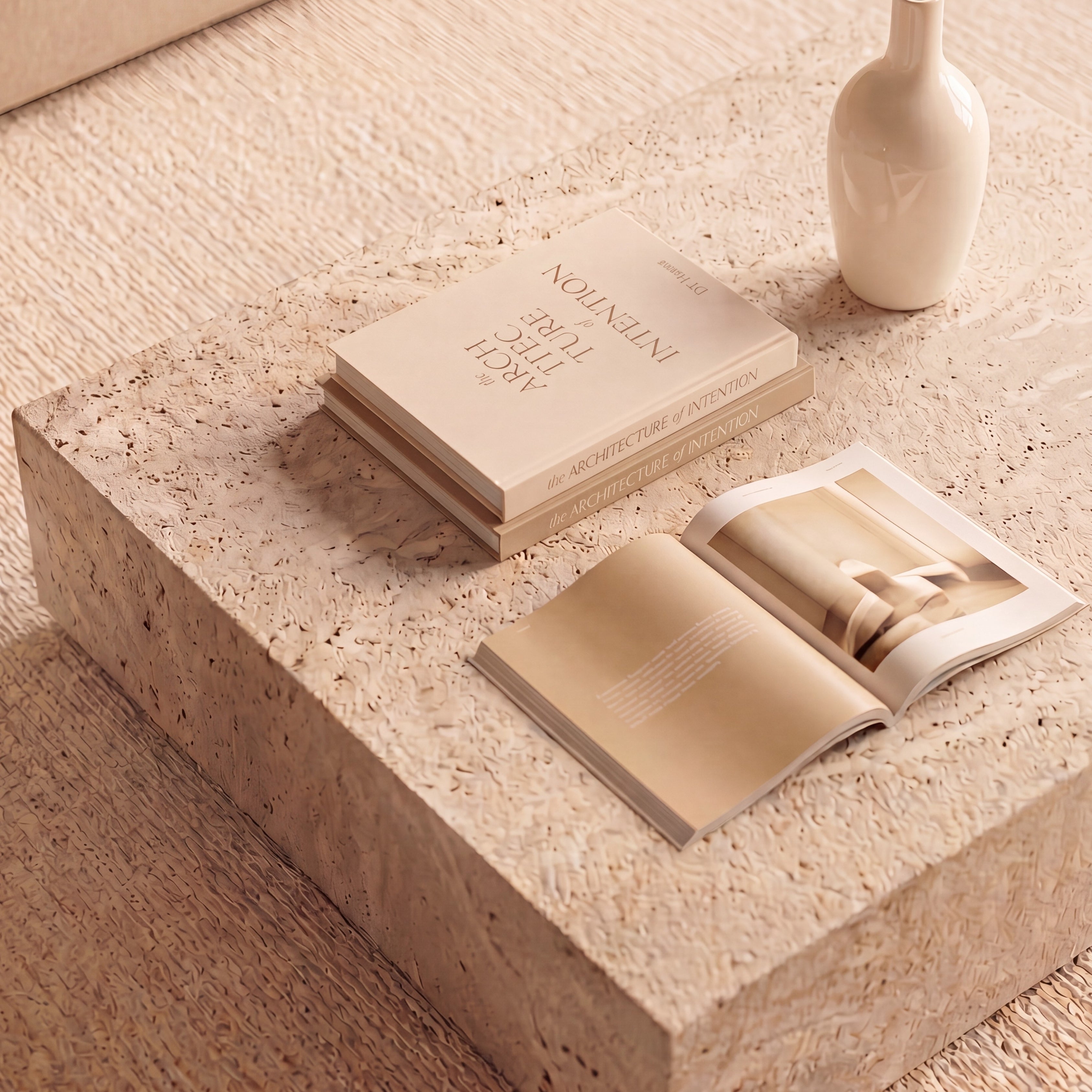
When working with a primary living room table, layering becomes essential. This is where you create a physical stepped effect using multiple volumes. Start with your largest, heaviest piece as the foundation. Stack a slightly smaller volume, such as The New Modern, directly on top, ensuring the spines align perfectly. This structure creates an immediate sense of order. The final step is leaving the top cover completely clean or placing a singular organic object, like a small piece of unpolished travertine or a rough ceramic bowl, on the center of the stack. This completes the juxtaposition of precise geometric print and raw natural material.

The Philosophy of Textural Curation
When selecting hardcover coffee table books for a home, the visual properties of the cover are just as important as the pages inside. A true minimalist interior cannot tolerate loud, contrasting graphics or glossy jackets that catch harsh reflections from overhead lighting. The goal is to source books that feel integrated into the material palette of the room.
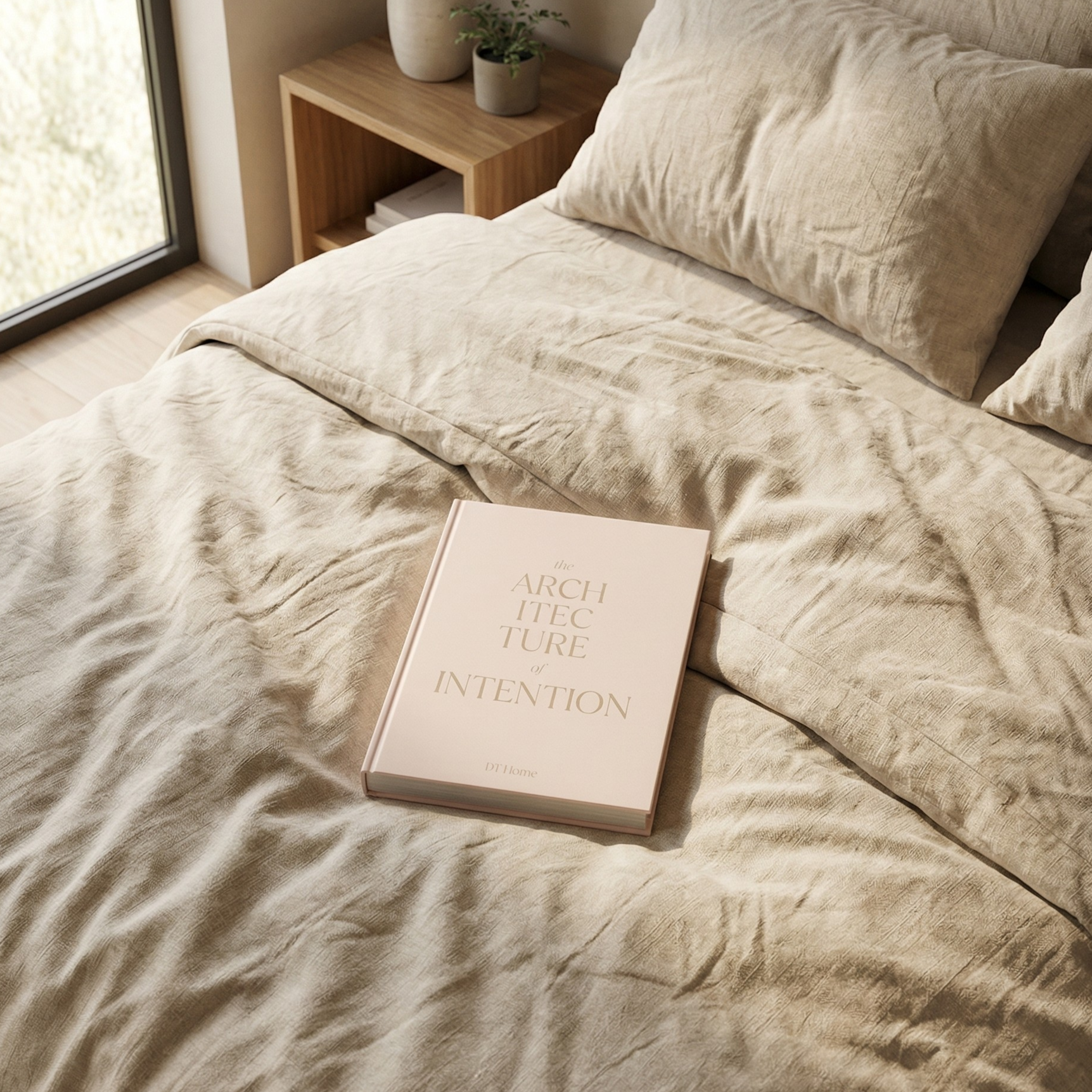
Look for monochromatic book covers wrapped in unrefined textile cloths. Shades of cream, bone, sand, and ivory allow the literature to melt into a neutral color scheme while adding a layer of physical texture. When light hits a matte, fabric wrapped cover, it absorbs the glare, highlighting the subtle weave of the cloth and the depth of the debossed lettering. This creates a soft, diffused look that enhances the atmosphere of quiet luxury. The literature should feel like it was born from the very same palette as the plaster on the walls and the linen on the lounge chairs.

Evolving Your Collection Over Time
Building an intentional home library is a slow process. It requires moving away from the mindset of quick accumulation and embracing the practice of deliberate selection. In our previous guide, Finding the Perfect Coffee Table Book, we detailed the core criteria for evaluating literature based on print quality, binding techniques, and subject authority. That guide remains the standard blueprint for establishing a baseline collection.
As your space evolves, your approach to print curation must mature as well. It is no longer just about find a book that fits a specific color profile. It is about sourcing definitive literature that expands on the architectural narrative of your life.
Introducing a volume like The Architecture of Intention into your existing library elevates the older pieces in your collection. When placed alongside foundational books like The Aesthetics, it shows a clear artistic progression. It signals to anyone entering the home that the interior is not static. It is a evolving study in form, materiality, and design philosophy.

Literature as a Tool for Spatial Balance
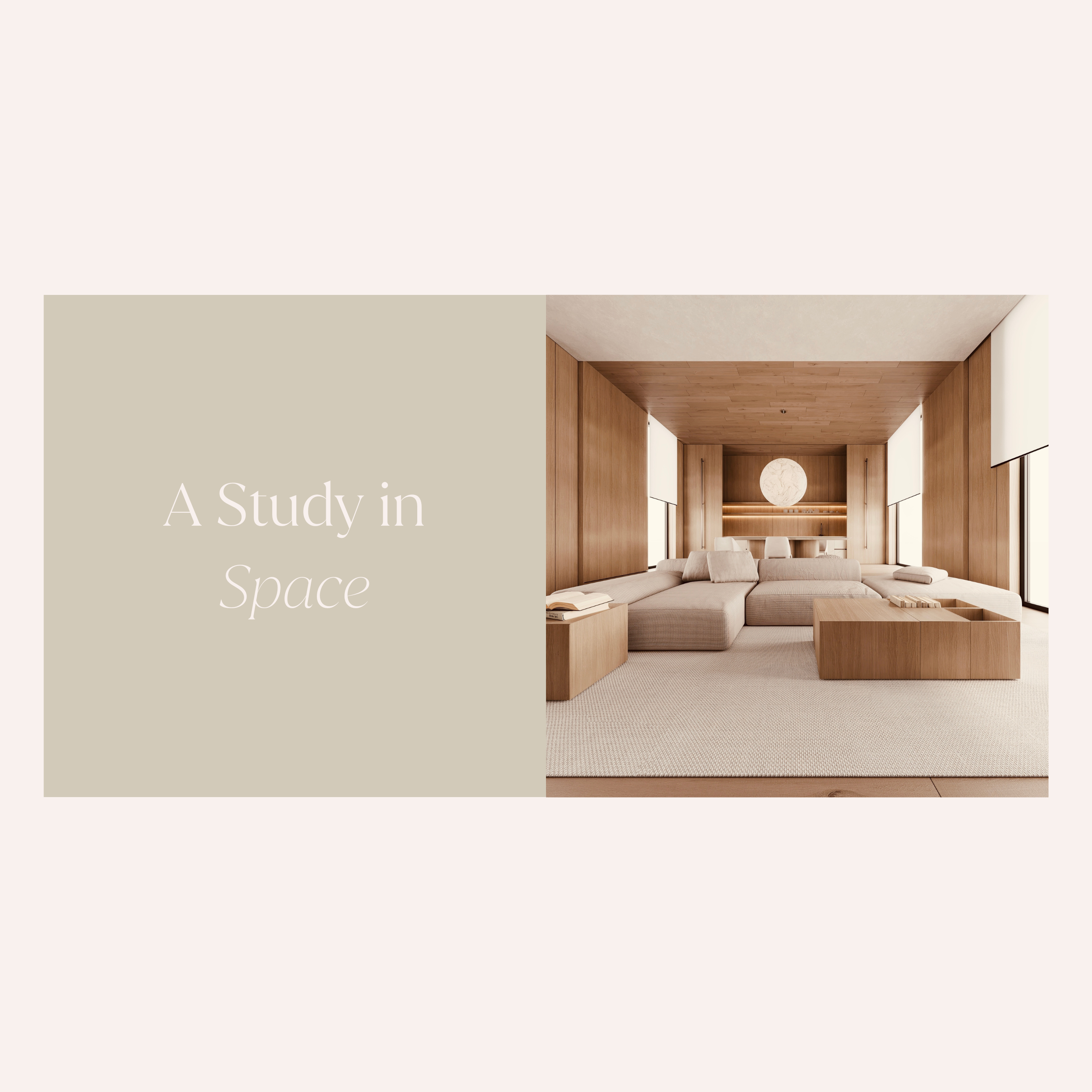
In large scale contemporary architecture, rooms can sometimes feel imposing due to high ceilings and expansive open layouts. Without careful styling, these spaces risk feeling detached. Furniture alone cannot solve this issue; you need intermediate objects that bridge the gap between human scale and architectural scale.
Oversized books serve as this crucial intermediate scale. When a thick, heavy volume sits on a massive slab table, it breaks down the vastness of the surface. It provides an invitation to interact. The act of sitting down, lifting a heavy textile cover, and turning large archival pages creates an intimate moment within a vast room. It grounds the individual, making the expansive architecture feel intentional and approachable rather than cold and overwhelming.

The Art of Bookshelf Centerpiece Decor
Bookshelves are often the most abused surfaces in an interior, frequently cluttered with small trinkets and disorganized paperbacks. To maintain a clean visual narrative, a bookshelf requires a dedicated focal point. This is the concept of bookshelf centerpiece decor.
Instead of lining every book vertically from left to right, break the rhythm of the shelving unit by dedicating a central eye level shelf to a horizontal layout.
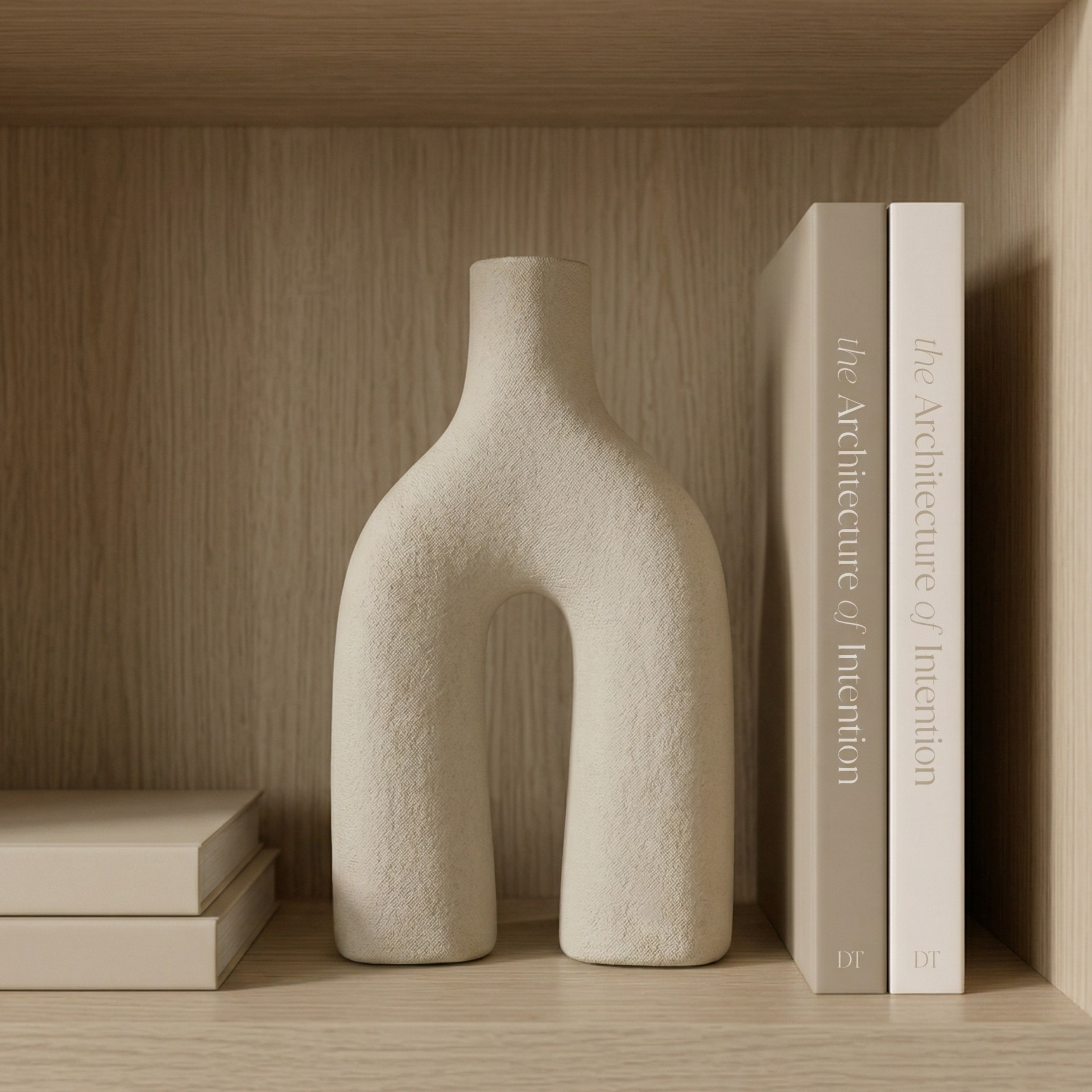
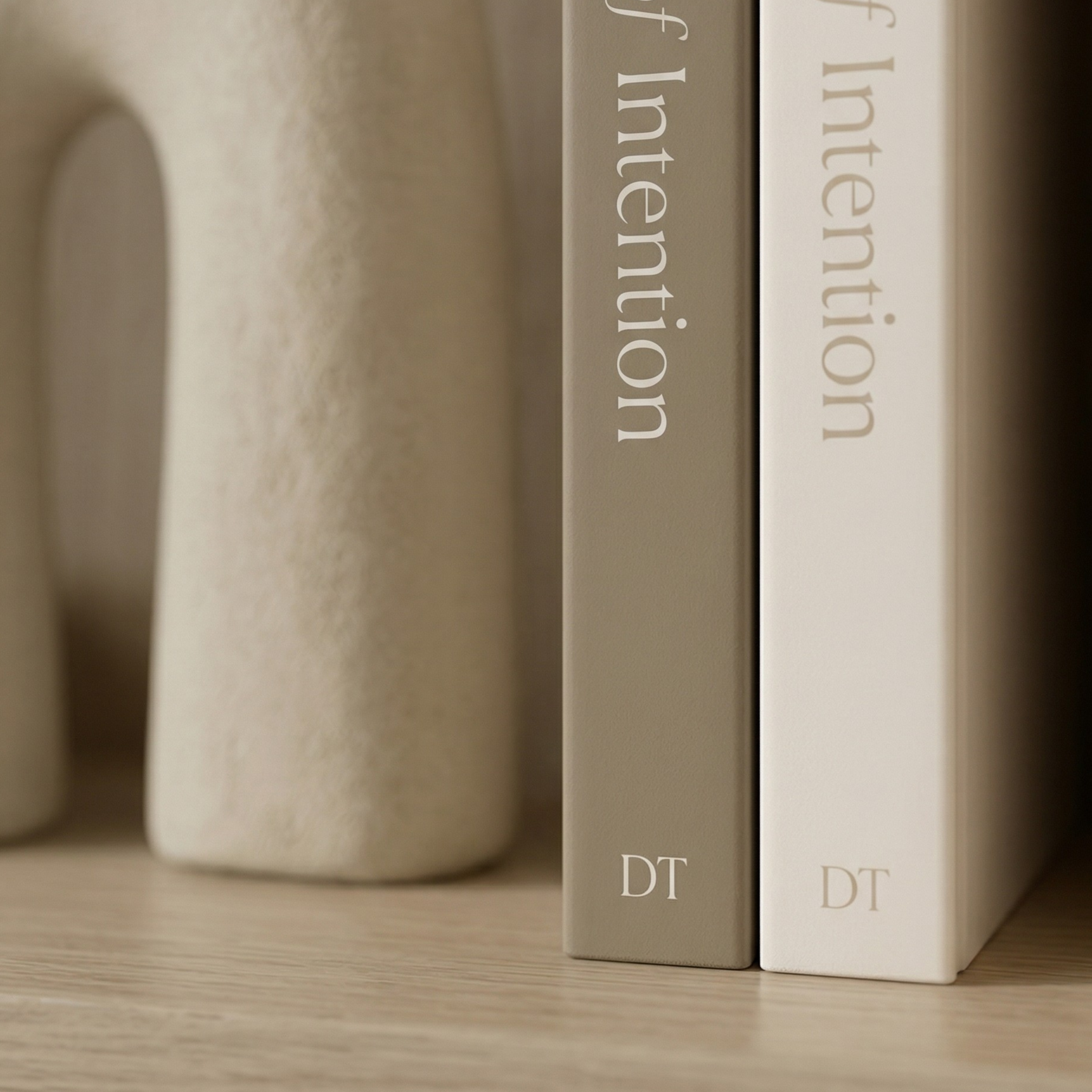
Lay a singular, visually commanding volume like The Architecture of Intention completely flat in the middle of an open shelf. This breaks up the monotonous vertical lines of the surrounding books and creates a dedicated resting place for the eye. The debossed spine and the substantial profile of the book become a sculptural element within the joinery, elevating the entire shelving unit from standard storage into a curated gallery display.

The Permanence of the Printed Page
Ultimately, the decision to collect and display premium literature is a rejection of the temporary. It is an understanding that true design authority cannot be simulated with cheap accessories or digital screen savers. A home designed with an uncompromising eye demands objects that possess real physical integrity.
When you anchor a room with a volume that balances raw cloth textures with strict, minimalist layout design, you are signaling a deep appreciation for the craft of publishing. You are choosing to fill your home with objects that hold their value, both intellectually and structurally, over time. Volumes like The Aesthetics, The New Modern, and The Architecture of Intention are not fleeting decor pieces. They are permanent markers of taste, designed to sit in contemporary spaces for decades, serving as an enduring masterclass in quiet luxury for anyone who appreciates the art of intentional living.