
The Bellini Residence stands as a finished dialogue between volume and light. Located on a quiet site where the morning sun dictates the movement of the day, this project was approached by DT Home with a focus on reduction. It is not a space defined by what was added, but by what was allowed to remain. The goal was to create a residence where the architecture and the interior objects exist in a state of total equilibrium.
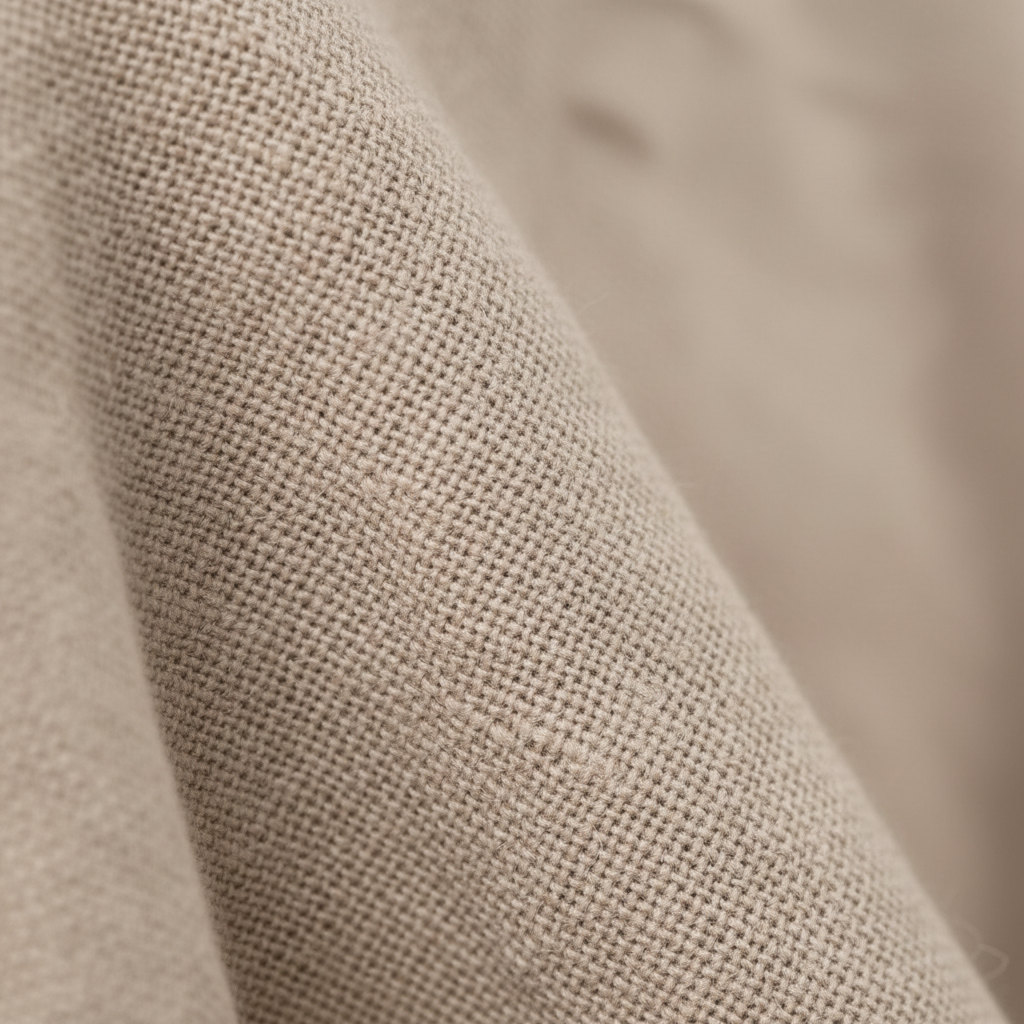
In this case study, we examine how a strictly monochromatic palette serves to amplify the physical properties of natural stone, raw wood, and hand applied plaster. By removing the distraction of high contrast color, the eye is forced to reckon with the subtle variations of sand, ivory, and cream. These tones do not merely fill the space; they define the atmosphere.

The residence is structured around the concept of rhythm. Every transition from one room to another was considered for its emotional impact. There is a specific weight to the air here, a result of balancing expansive glass openings with heavy, grounded furniture pieces. We chose to move away from the idea of decoration and toward the idea of composition.
As we walk through the completed project, we will look at the design reasoning behind each decision. From the initial layout of the foyer to the specific utility of the kitchen, every choice was made to solve a spatial problem or to support a specific human behavior. The Bellini Residence is a testament to the fact that when we design with restraint, the results are deeply felt rather than just seen.
The Foyer: Establishing the Architectural Narrative

The entry into the Bellini Residence acts as a definitive introduction to the tonal philosophy of the entire home. This space is defined by a sense of verticality and the deliberate use of mass. The foyer serves a critical purpose as the transitional threshold where the outside world is shed and the interior logic begins.
The design intention here was to lean into the height of the volume rather than trying to fill it. By utilizing a floating staircase with glass balustrades, we allowed light to move freely across the various levels of the home. The emotional tone is one of immediate calm, achieved through a strict adherence to a warm neutral palette that eliminates visual noise.
Materiality plays the primary role in this first impression. The floor is composed of large format stone with visible veining that mimics the natural movement of earth. We paired this with hand applied plaster walls to create a tactile surface that catches the light softly. There are no sharp contrasts here, only a gradation of cream and sand.
To anchor the space, we selected a modern stone bench characterized by its raw, solid form. The weight of the stone provides a necessary counterpoint to the lightness of the glass and the open air above. It serves as a functional sculpture, offering a place for pause without interrupting the flow of movement. Hanging above the center of the foyer is a large, organic chandelier with a cloud like silhouette. The choice of this fixture was intentional; its soft, diffused form breaks up the linear geometry of the staircase and the walls, bringing a sense of human softness to the architectural rigidity.
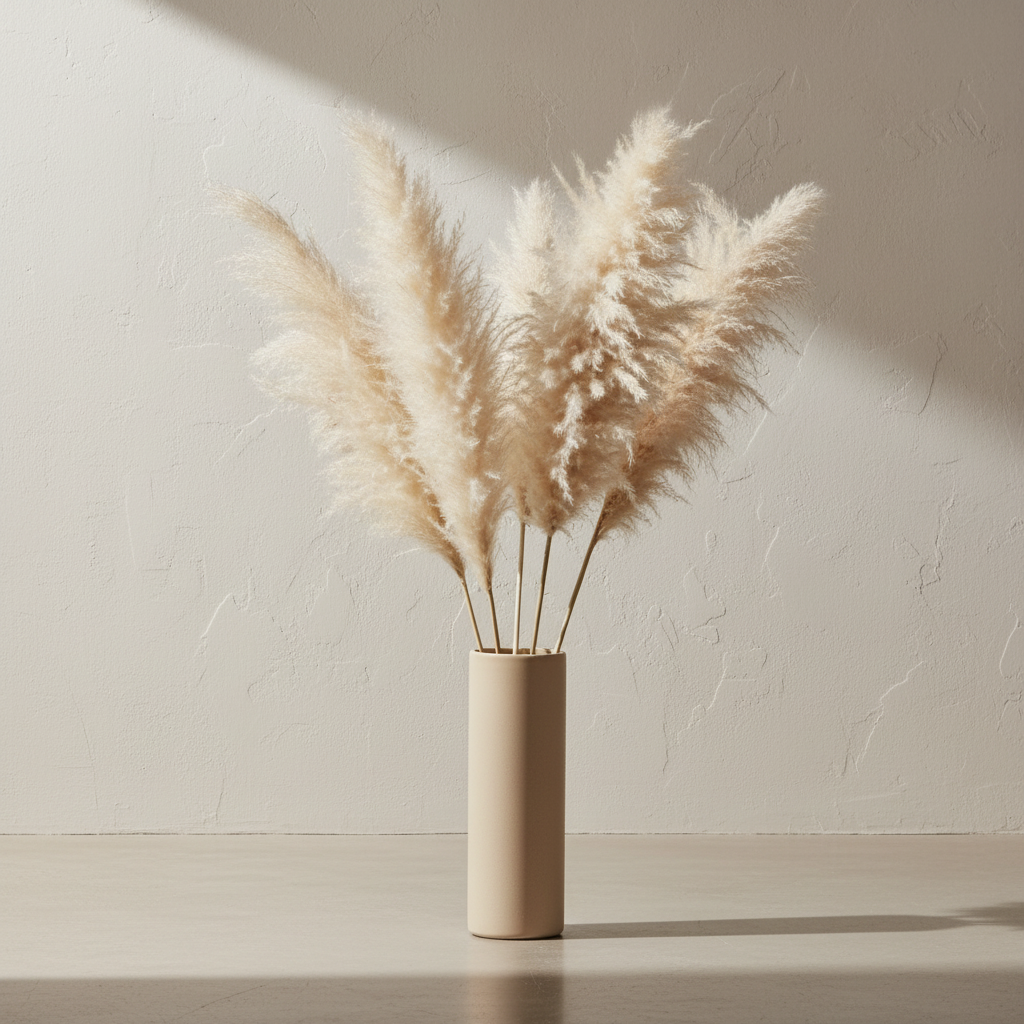
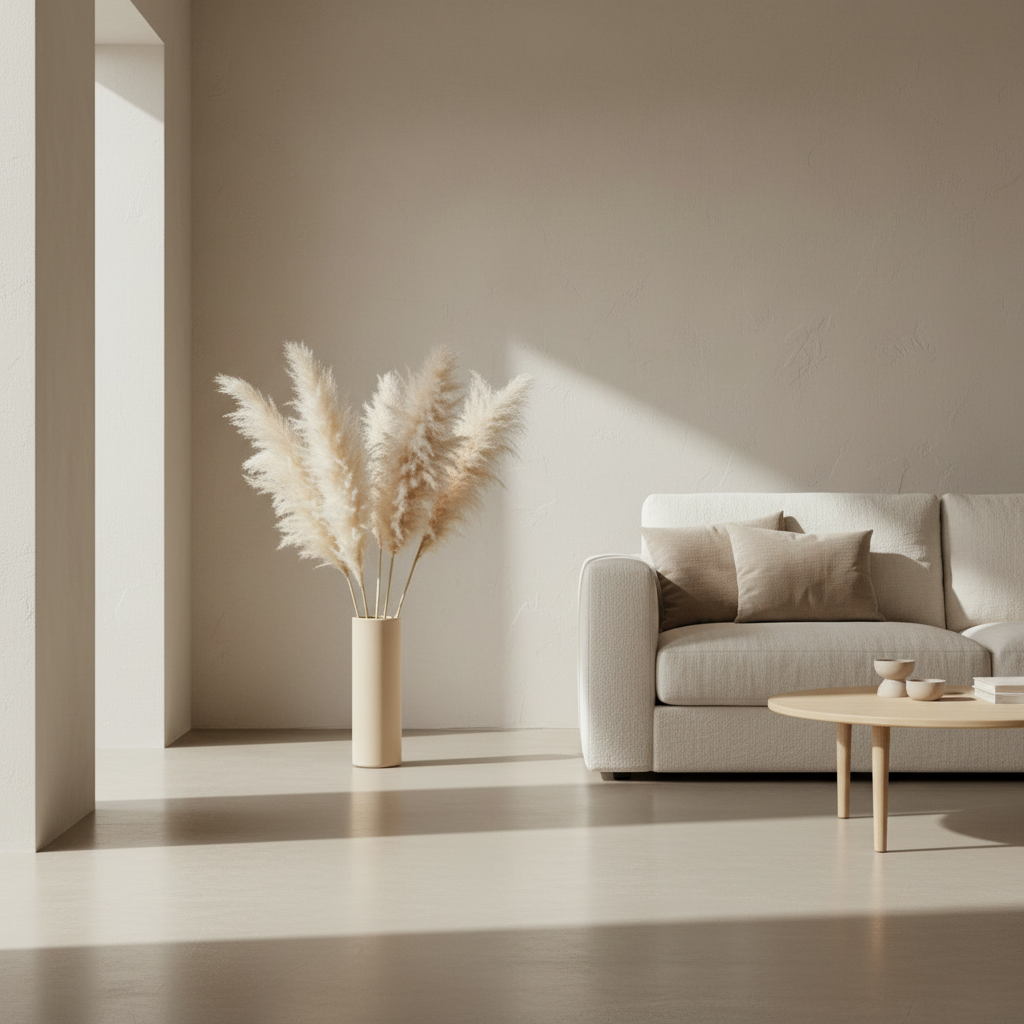
The introduction of the DT Home Neutral Beige Pampas Grass was the specific solution for adding organic texture to the corner of the entry. We chose this piece because it offers height and volume without the visual density of traditional greenery. The pampas grass catches the subtle air currents in the foyer, introducing a quiet, rhythmic movement that softens the solid stone surfaces around it. It is a detail that connects the interior to the natural world while maintaining the monochromatic integrity of the residence.
The Kitchen: Culinary Utility Through a Minimalist Lens
The kitchen in the Bellini Residence is not merely a utility space; it is a continuation of the architectural language established in the foyer. We approached this room with a focus on how culinary functionality can coexist with a rigorous minimalist aesthetic.

The kitchen in the Bellini Residence is not merely a space for utility; it is a continuation of the architectural language established in the foyer. We approached this room with a focus on how culinary functionality can coexist with a rigorous minimalist aesthetic. The design intention was to create a monolithic center point that anchors the open plan living area. We chose a palette of muted bone and sand to ensure the large surfaces of the island and cabinetry felt integrated rather than imposing. The emotional tone is one of quiet efficiency, where every element is intentional and every surface is tactile.
Material selection was driven by the desire for permanence. The cabinetry is finished in a smooth, hand applied matte lacquer that mimics the softness of the plaster walls seen elsewhere in the residence. This is contrasted by the heavy, natural stone of the island, which provides a solid, architectural foundation for the room. By keeping the materials within the same tonal family, as explored in our piece A Study in Beige, we allowed the focus to remain on the interplay of light and shadow across the different textures.

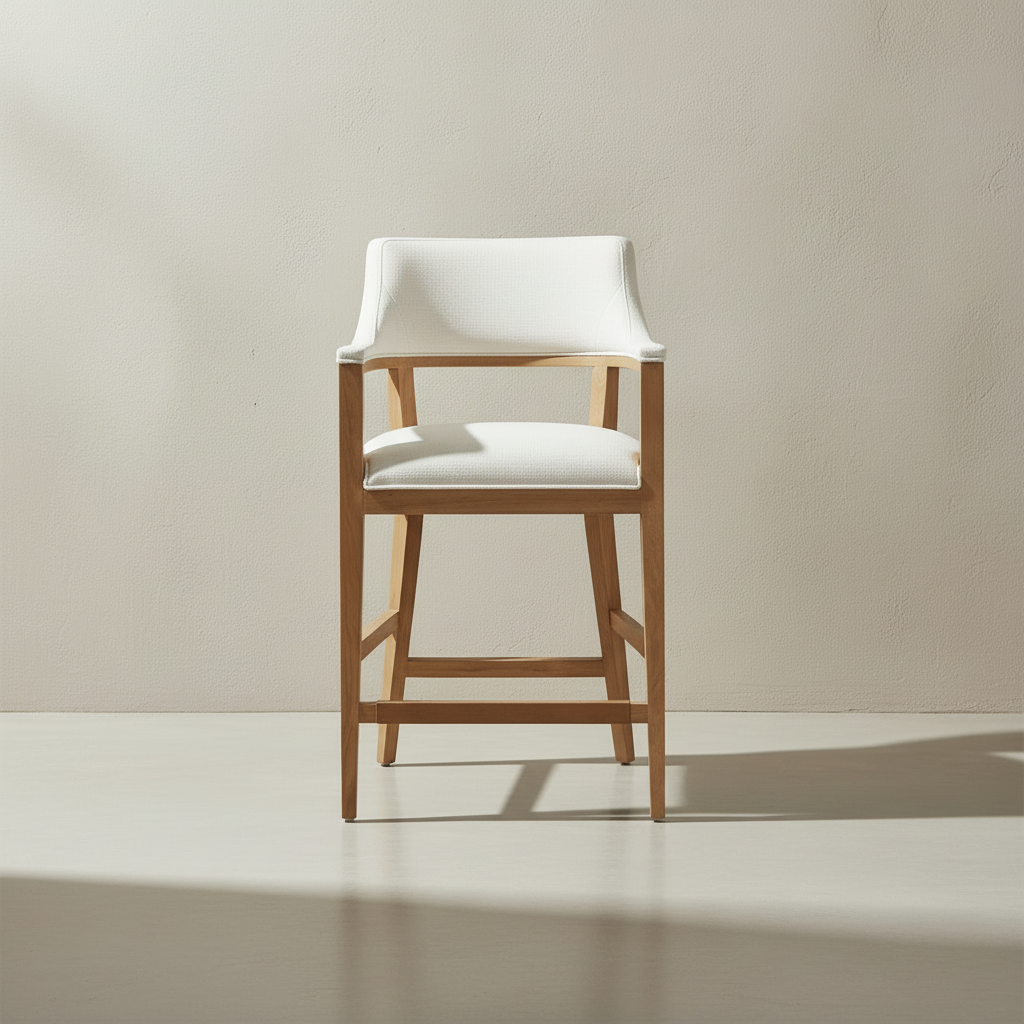
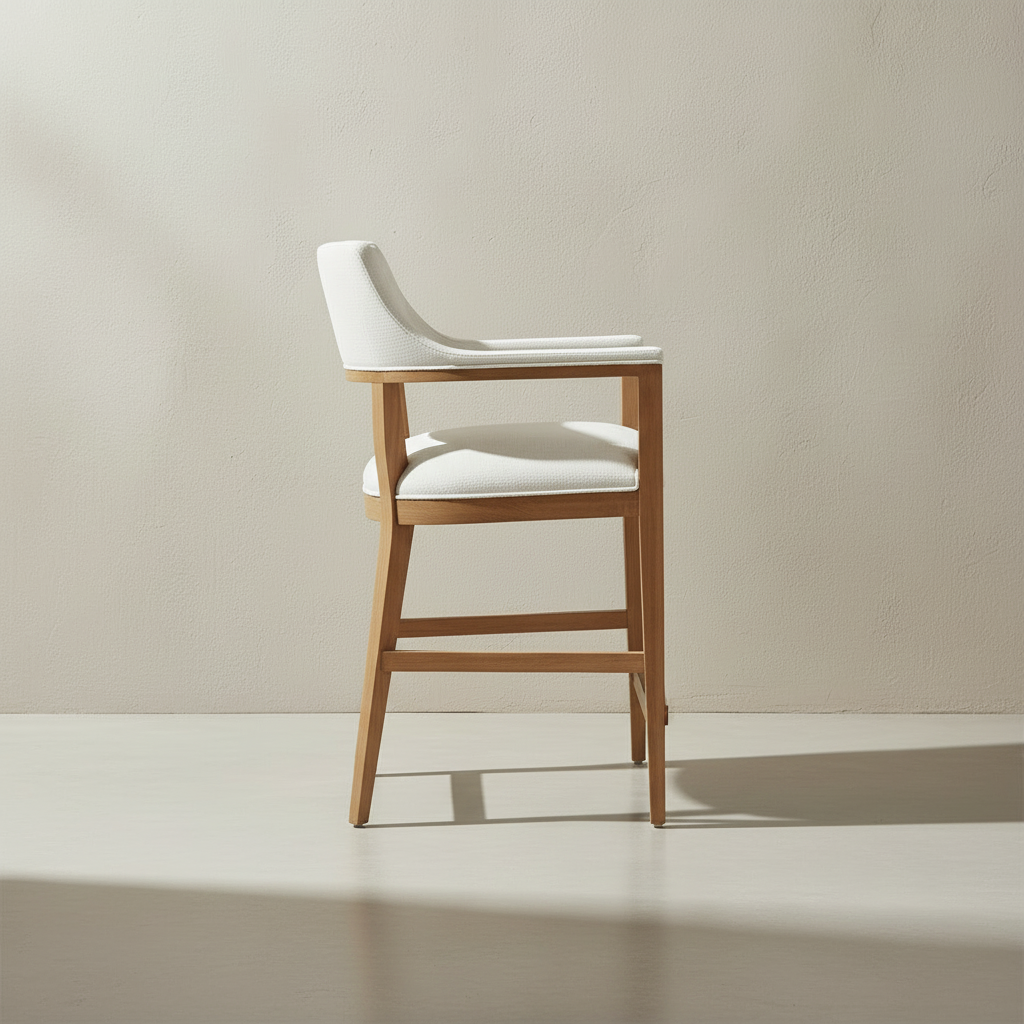
We addressed the scale of the expansive kitchen island by selecting the Veya Counter Stool. The reasoning for this choice was based on the need for a silhouette that offered visual weight without cluttering the sightline of the room. The solid oak wood legs and natural finish provide a necessary warmth against the stone island, creating a dialogue between organic and mineral elements. We utilized the Veya because its refined, sculptural profile and supportive backrest solve the problem of maintaining comfort in a high traffic area while adhering to a sophisticated, modern gentleman aesthetic. The bronze footrest adds a subtle, darkened detail that grounds the piece, offering a moment of quiet contrast in the monochromatic space.
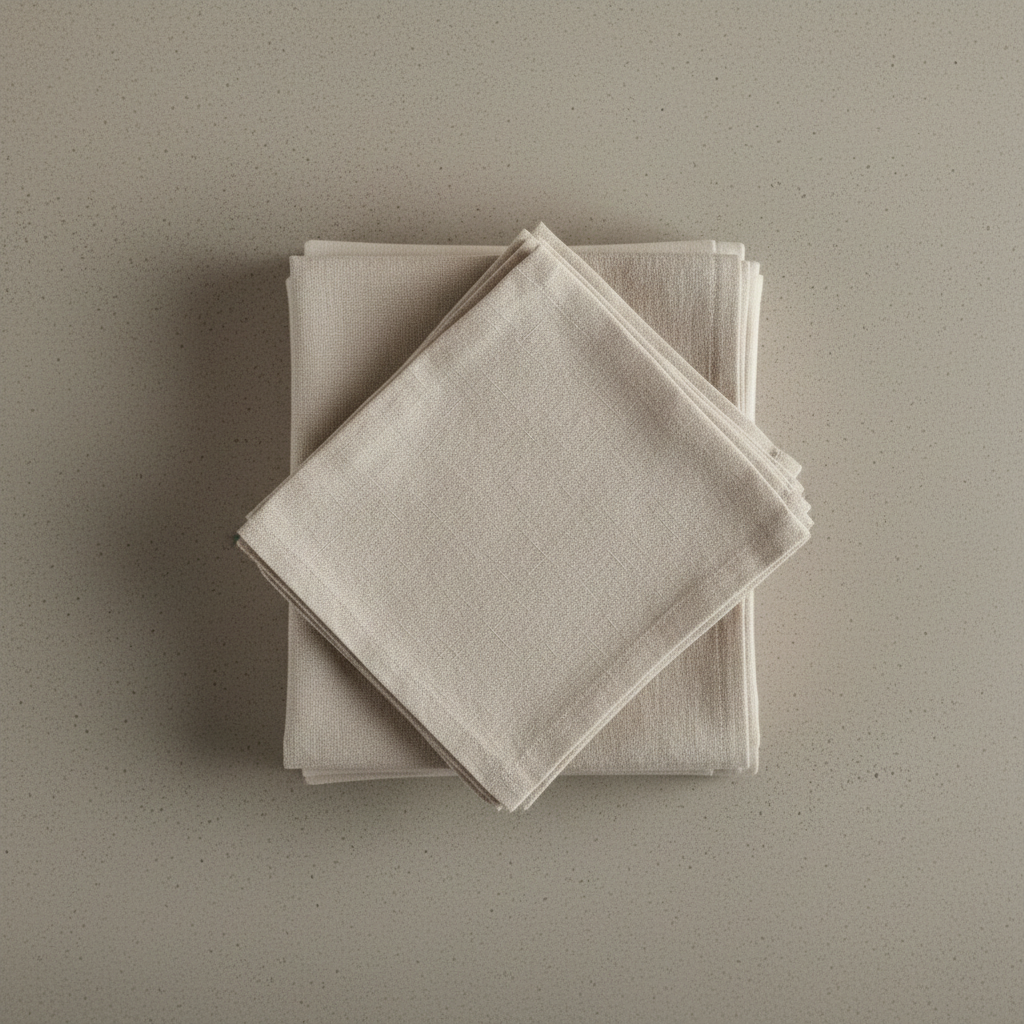
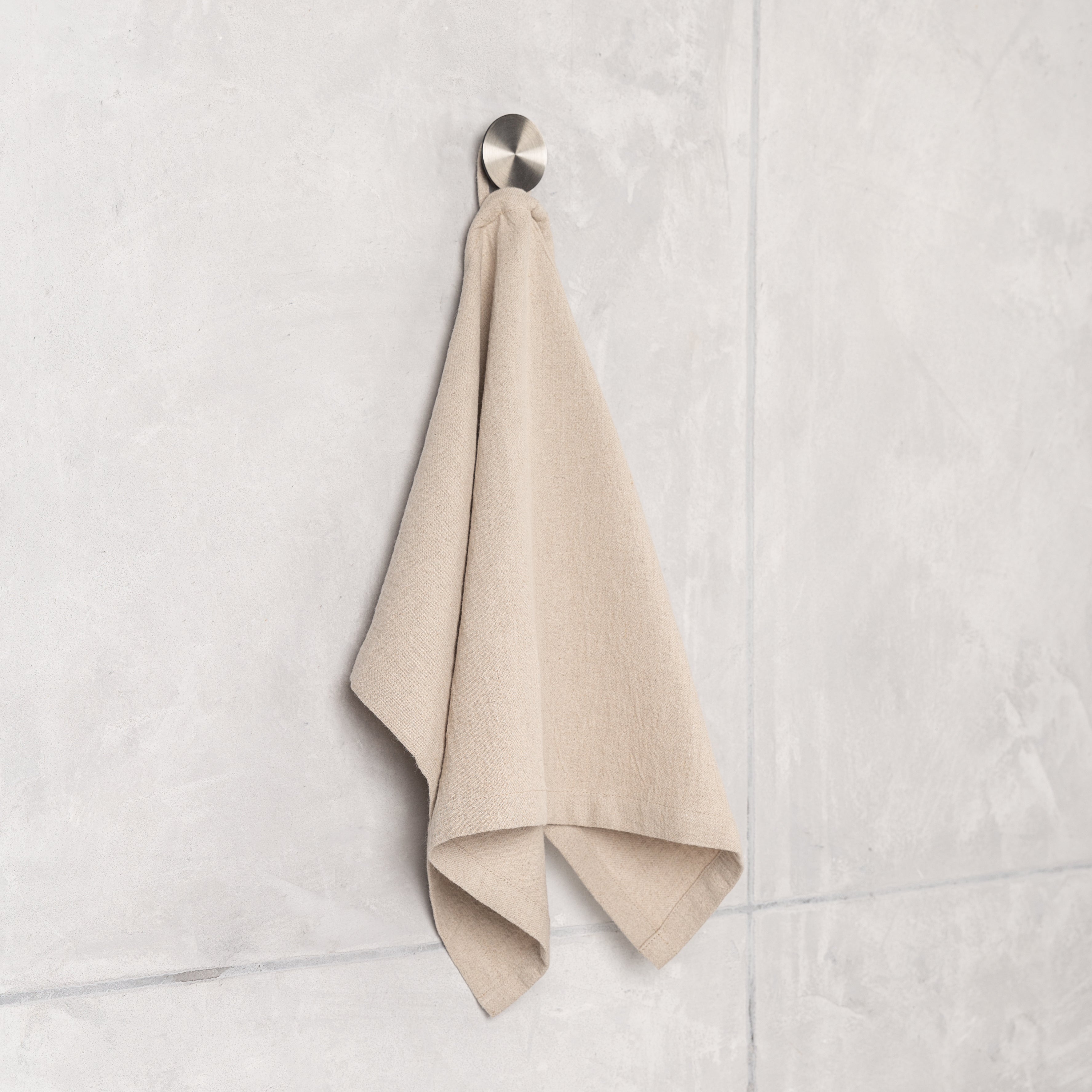
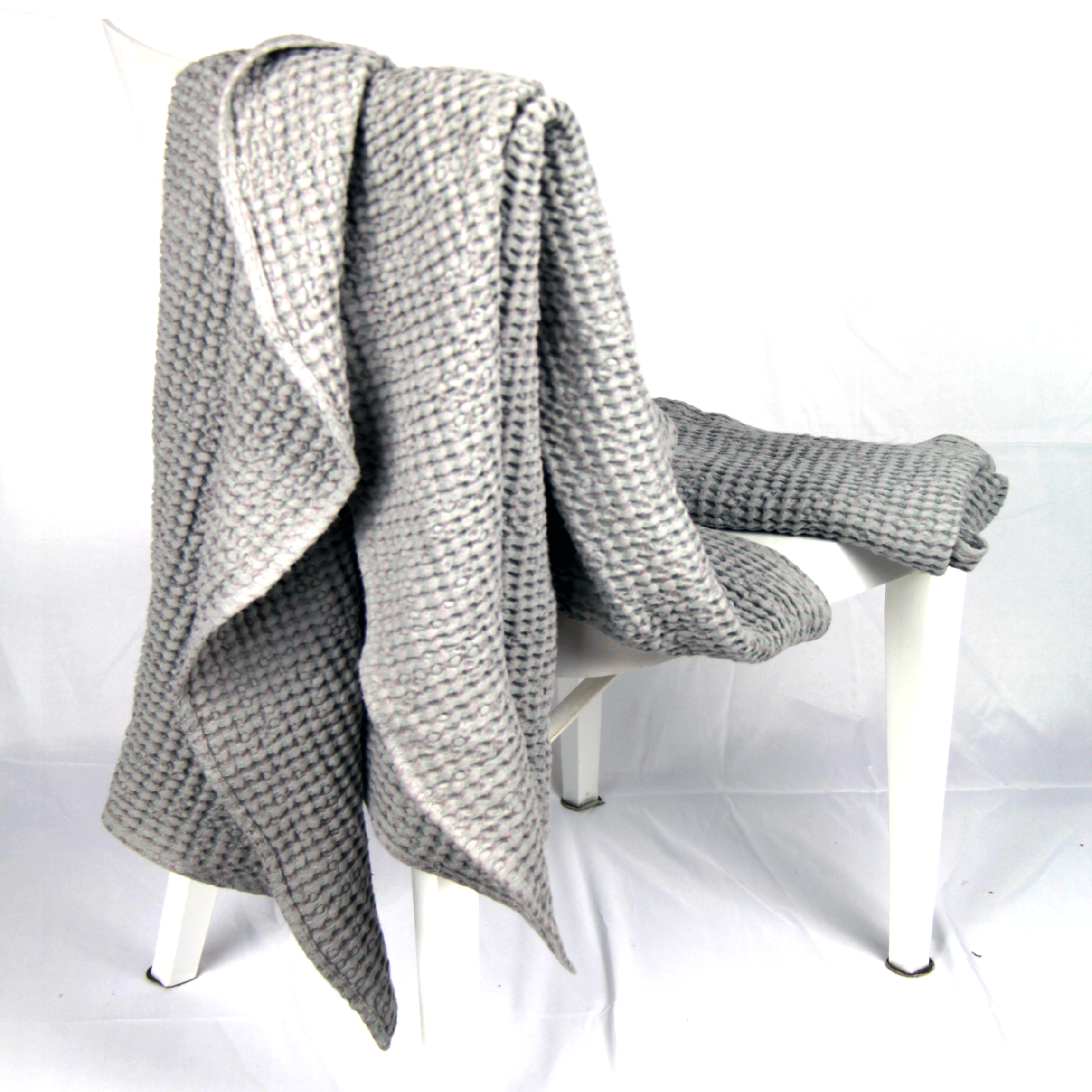
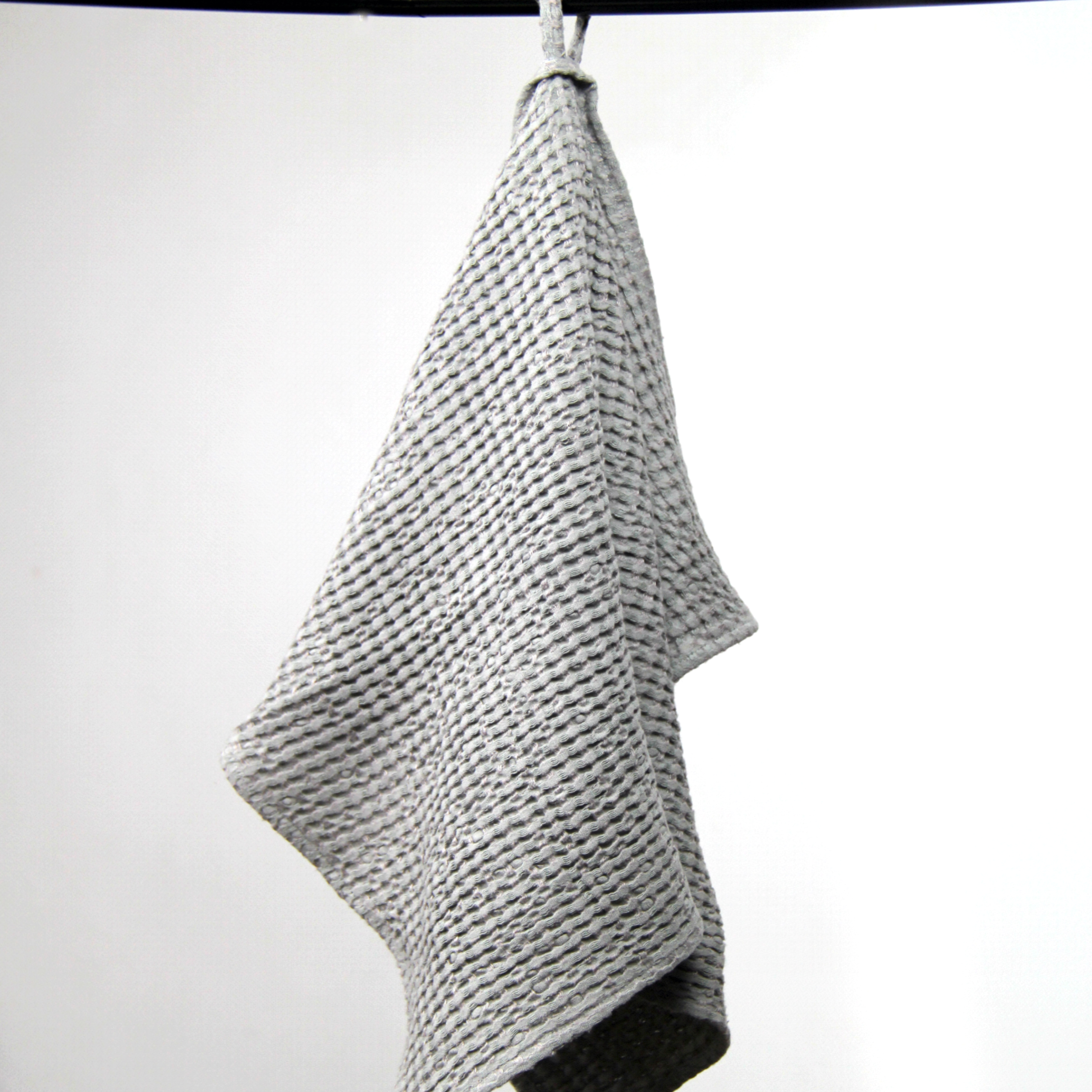
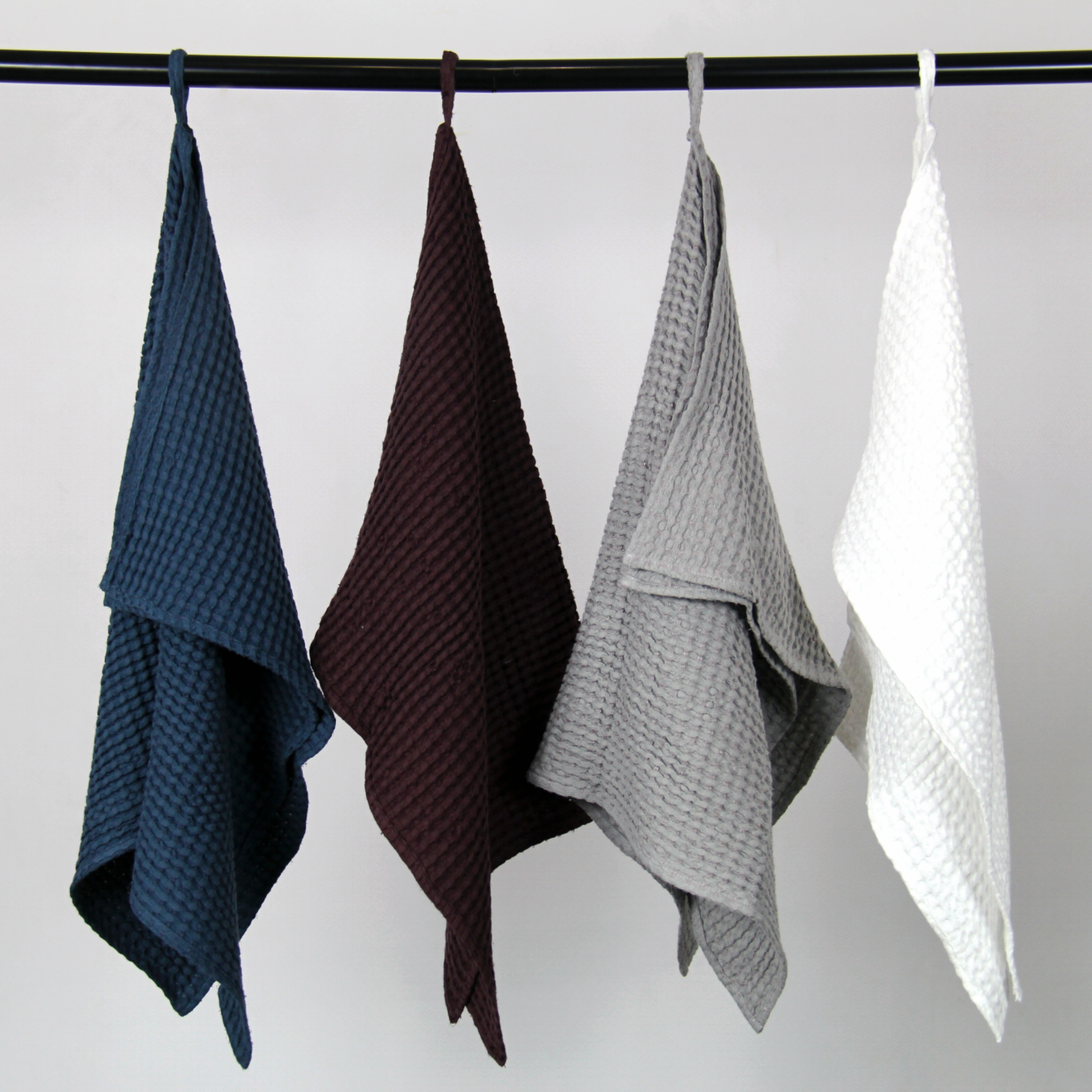
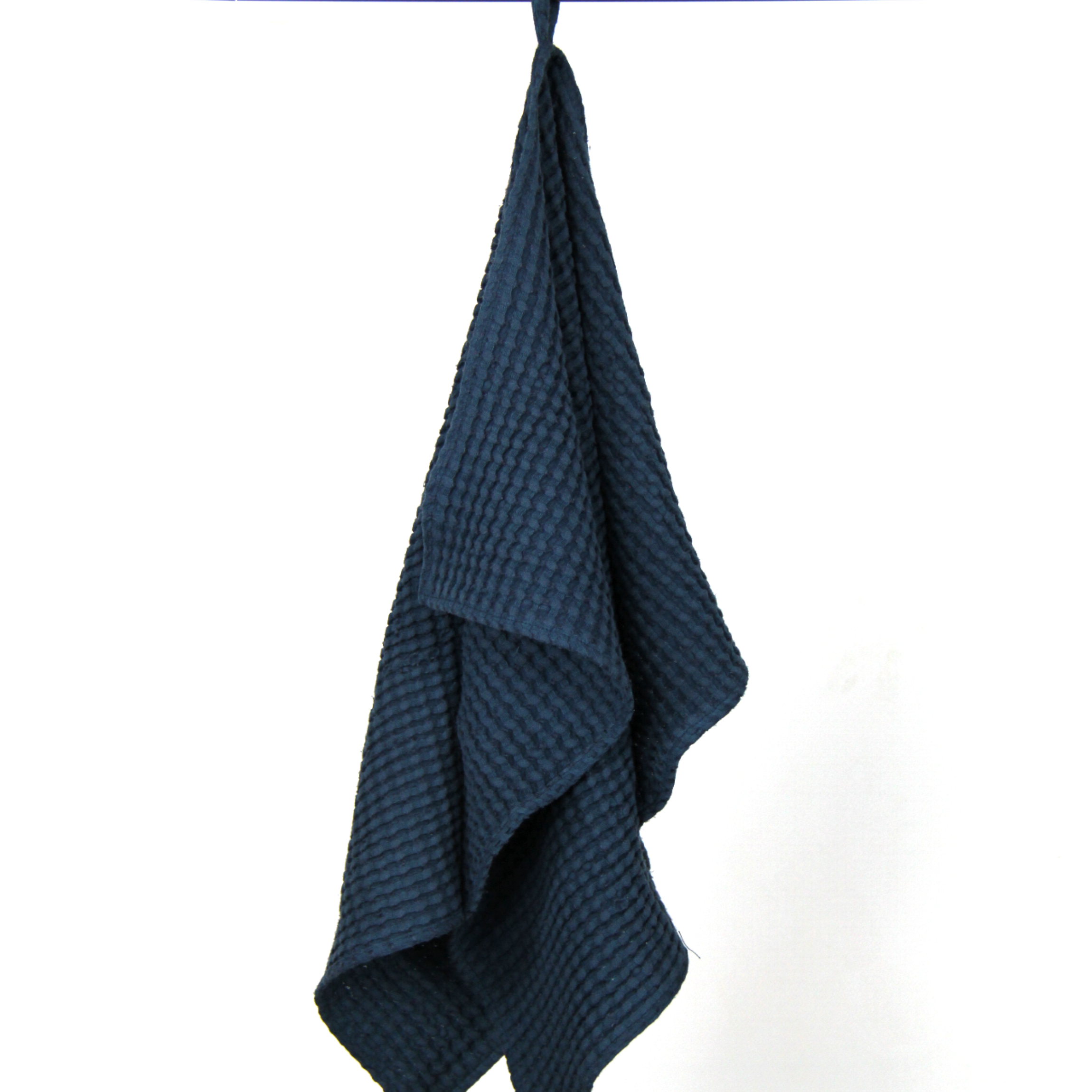
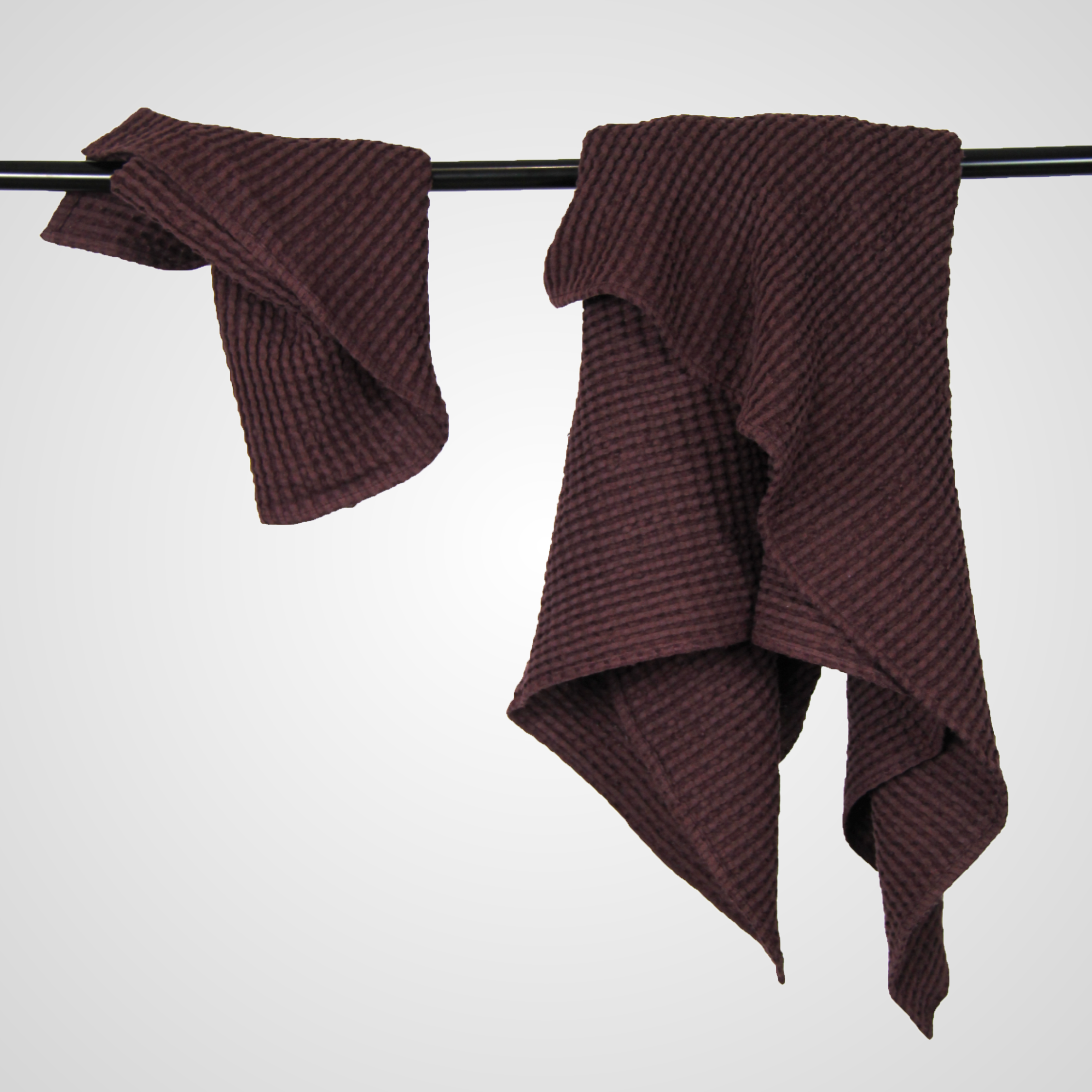
In a kitchen defined by hard surfaces, the introduction of textiles is essential for softening the environment. We integrated the Roca Linen Tea Towel for its heavy, organic character. Crafted from a blend of linen, hemp, and cotton, these towels provide a functional beauty that moves beyond simple utility. The stonewashed texture offers a tactile quality that complements the raw stone of the counters, solving the design problem of how to introduce soft elements into a clinical space without breaking the minimalist narrative. These pieces are not treated as accessories, but as supporting elements for Warming up your Kitchen, reinforcing the material honesty of the Bellini Residence.
The Dining Room: A Dialogue Between Geometry and Light
The dining room in the Bellini Residence is a study in circular geometry and the strategic management of natural light. In this space, the architectural focus shifts from the transitionary nature of the foyer and the utility of the kitchen toward a sense of gathered intimacy.

The design intention for the dining room was to create a central anchor that feels both communal and quiet. We centered the room around a large, round stone table, a choice made to encourage fluid conversation and to break away from the linear constraints of the surrounding architecture. This circular form is echoed in the rounded profiles of the seating, creating a cohesive visual language that feels settled and intentional. The emotional tone is one of warmth and soft focus, providing a space where the pace of the day naturally slows.
A critical element in this room is the interaction with the outdoors. We utilized floor to ceiling glass to ensure the room is constantly washed in a soft, diffused glow. In our exploration of The Bright Side: How to Transform Your Home with the Magic of Natural Light, we discuss how light behaves as a living material within a space. In the Bellini Residence, the light does not just illuminate; it defines the texture of the plaster walls and the subtle grain of the stone table. By utilizing linen window treatments, we are able to filter the harshness of the afternoon sun, turning it into a rhythmic play of light and shadow that enhances the monochromatic palette.

When we consider What Designers Look for When Choosing Dining Furniture (That Most People Miss), the focus is often on the relationship between scale and movement. For this residence, we chose seating with a grounded, architectural presence. The low profile of the chairs ensures that the sightline remains open toward the window, maintaining a connection to the horizon. This selection solves the common design problem of visual clutter in dining areas, allowing the furniture to feel like an extension of the floor.
Despite the generous proportions of the home, we applied the principles found in Creating an Intimate Dining Space: Small Dining Room Design Tips by DT Home to ensure the area felt contained rather than exposed. By anchoring the furniture with a heavy, textured rug in a matching sand tone, we created a defined zone that feels private and secure within the open plan layout. The large, conical pendant light hanging low over the table acts as a visual canopy, further reinforcing this sense of intimacy and ensuring the space feels complete even in the absence of traditional decorative objects.
The Living Room: A Dialogue Between Scale and Light
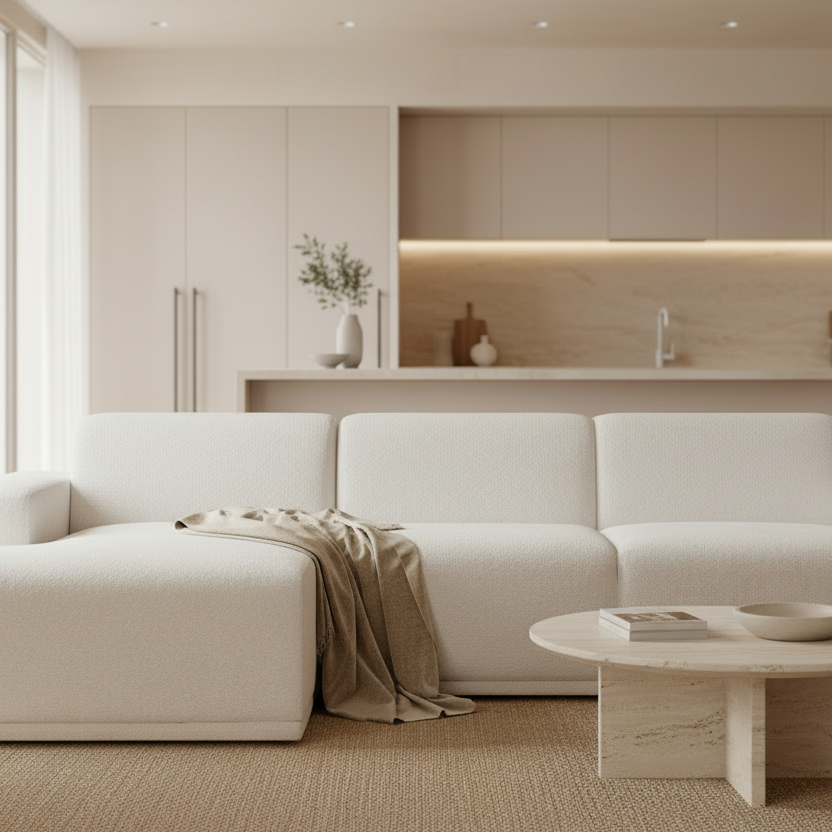
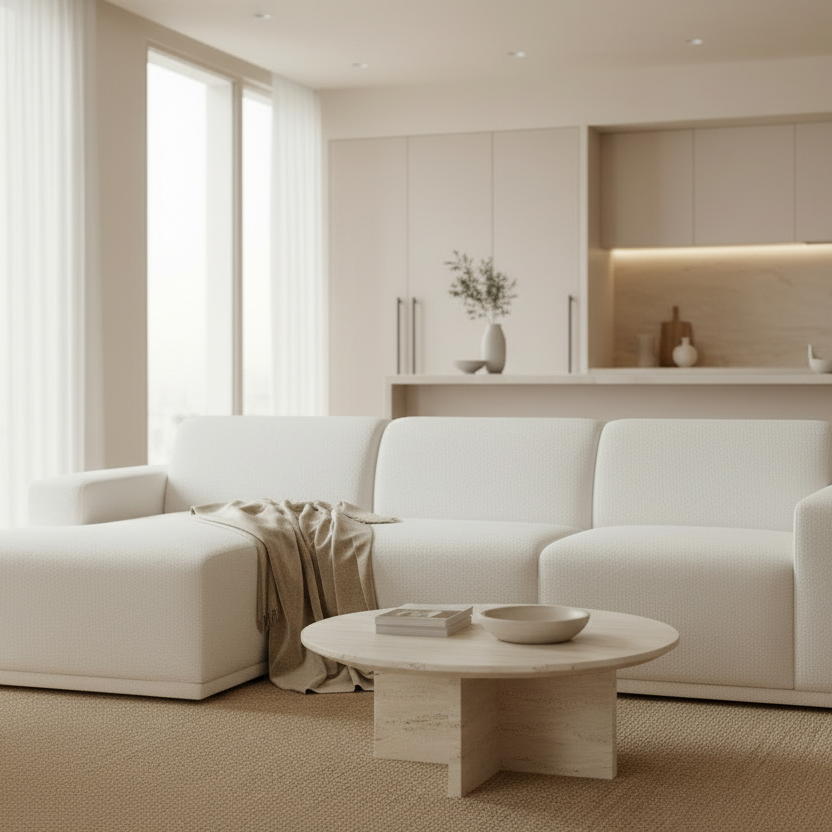
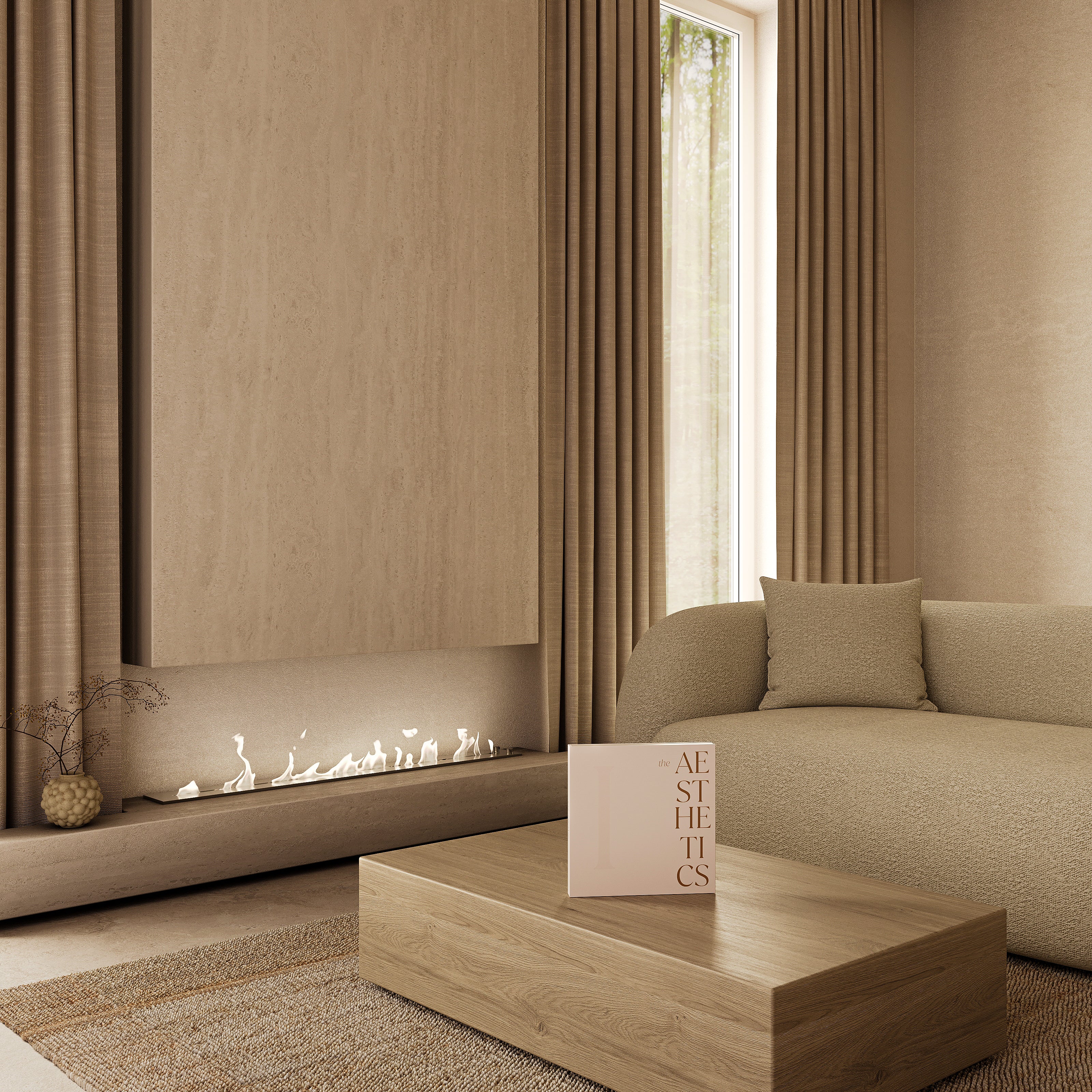
The living room of the Bellini Residence is designed as a masterclass in spatial balance. In this volume, we move away from the high verticality of the entry and into a horizontal plane that emphasizes rest and social connection. The design intention was to create a grounded environment where the architecture feels protective and quiet.

The emotional tone of the living room is defined by a sense of permanence. We achieved this by utilizing heavy, low-profile forms that sit deep within the room, allowing the eye to travel across the space without interruption. This strategy supports the principles explored in The Psychology of a Neutral Home, where a lack of visual clutter leads to a measurable sense of internal calm. By keeping the seating and surfaces low, we have preserved the sightlines to the surrounding landscape, ensuring that the interior feels like a natural extension of the horizon.
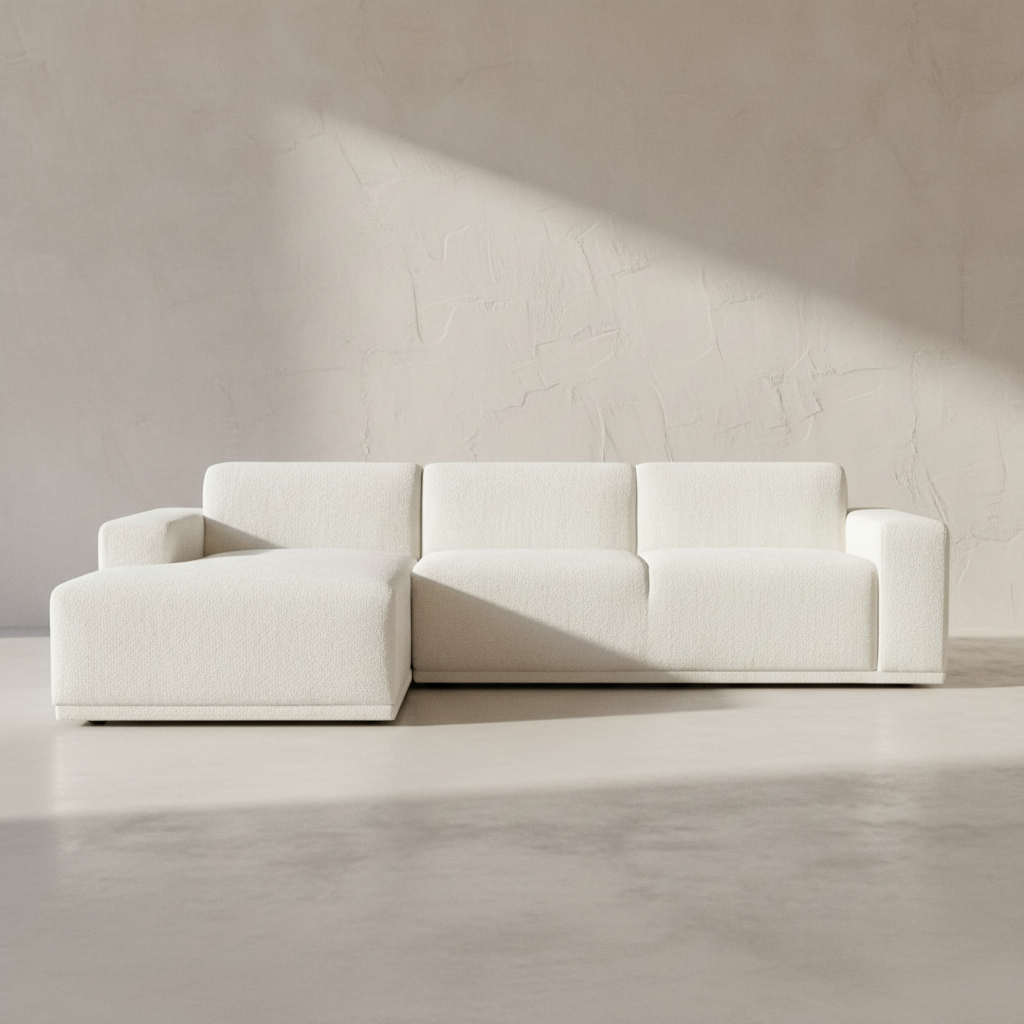
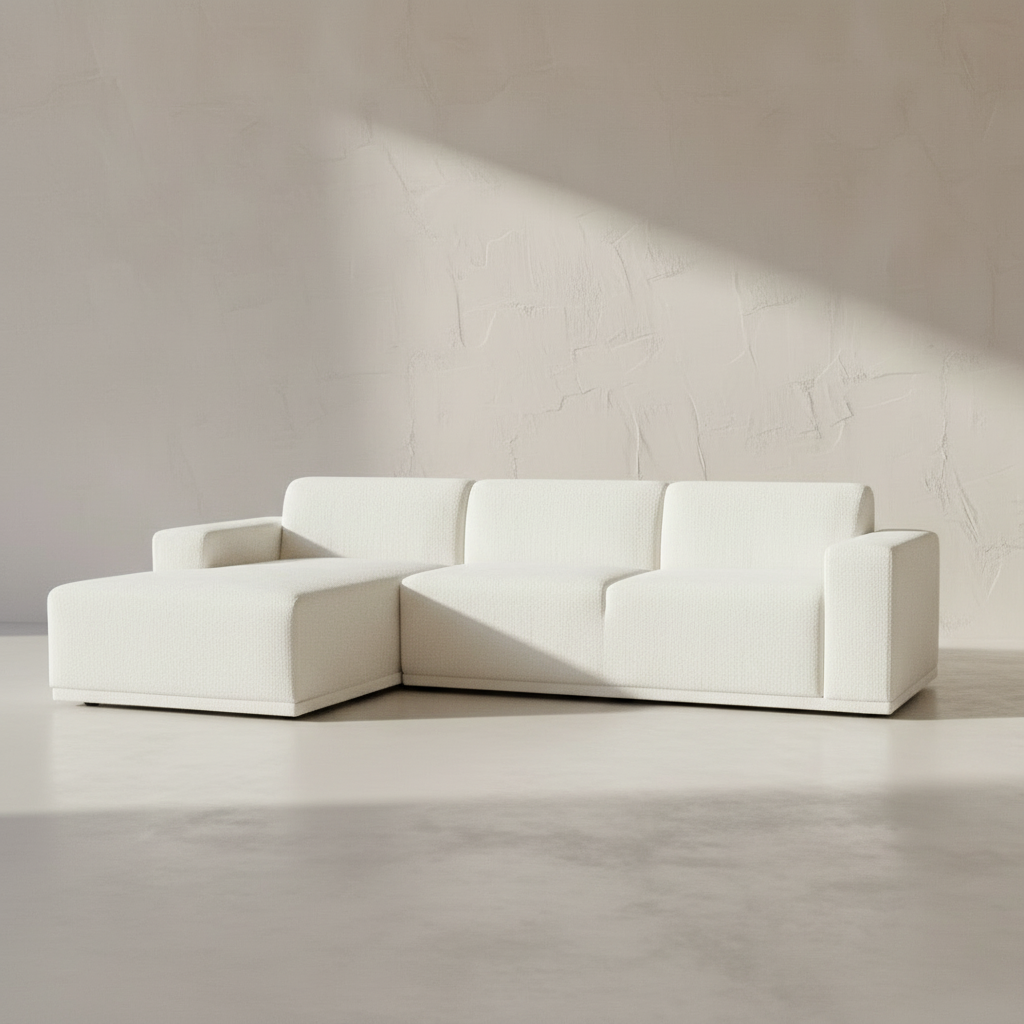
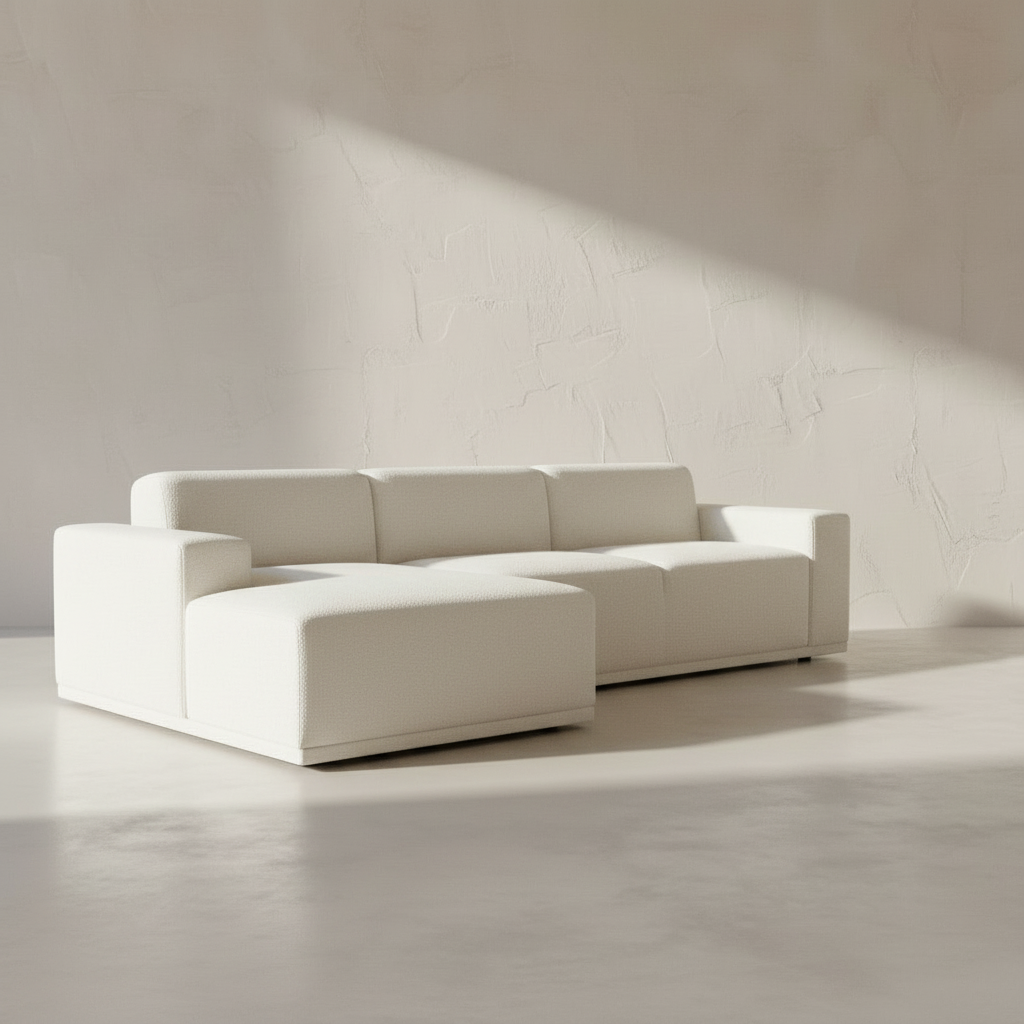
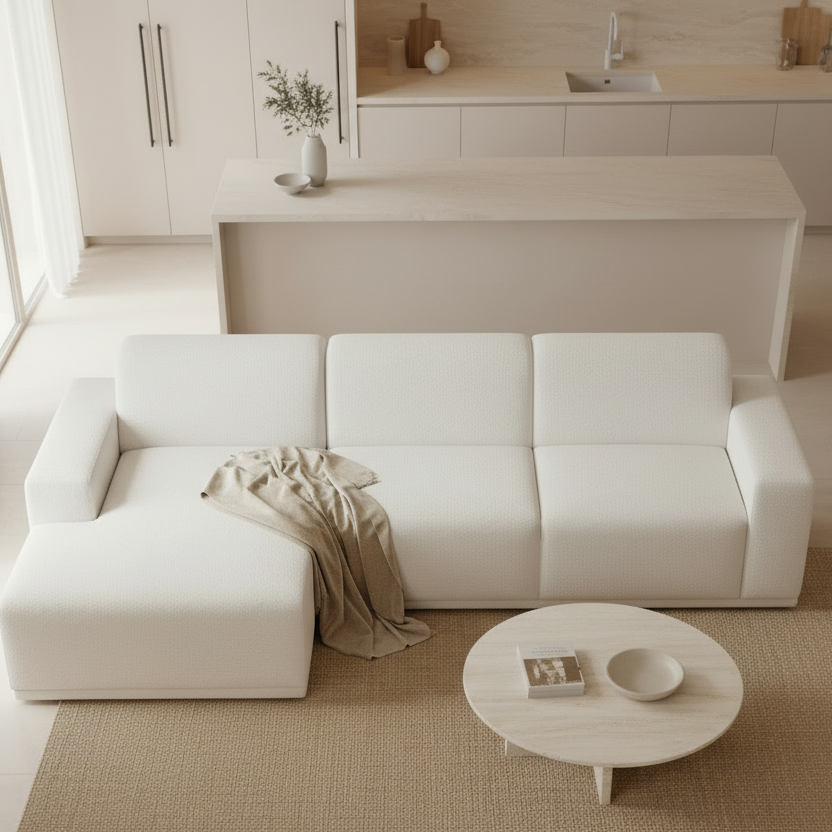
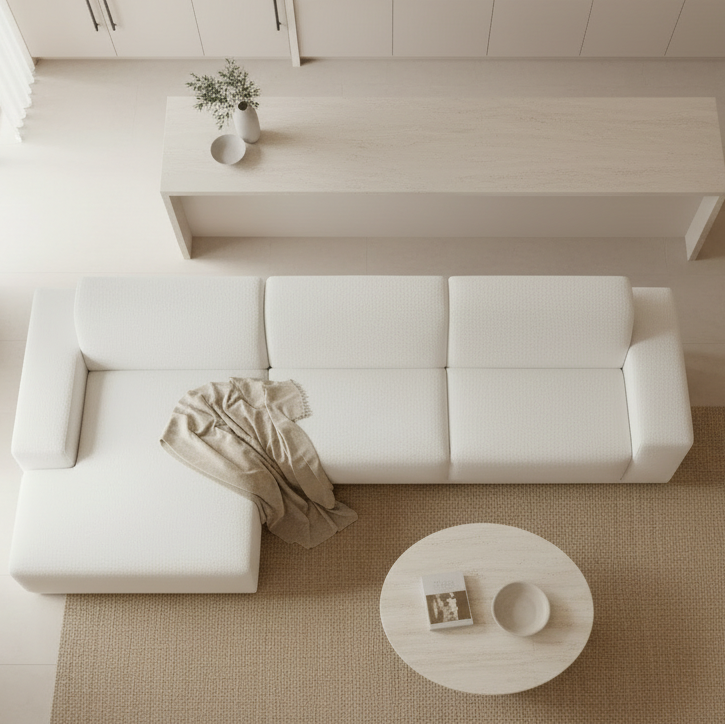
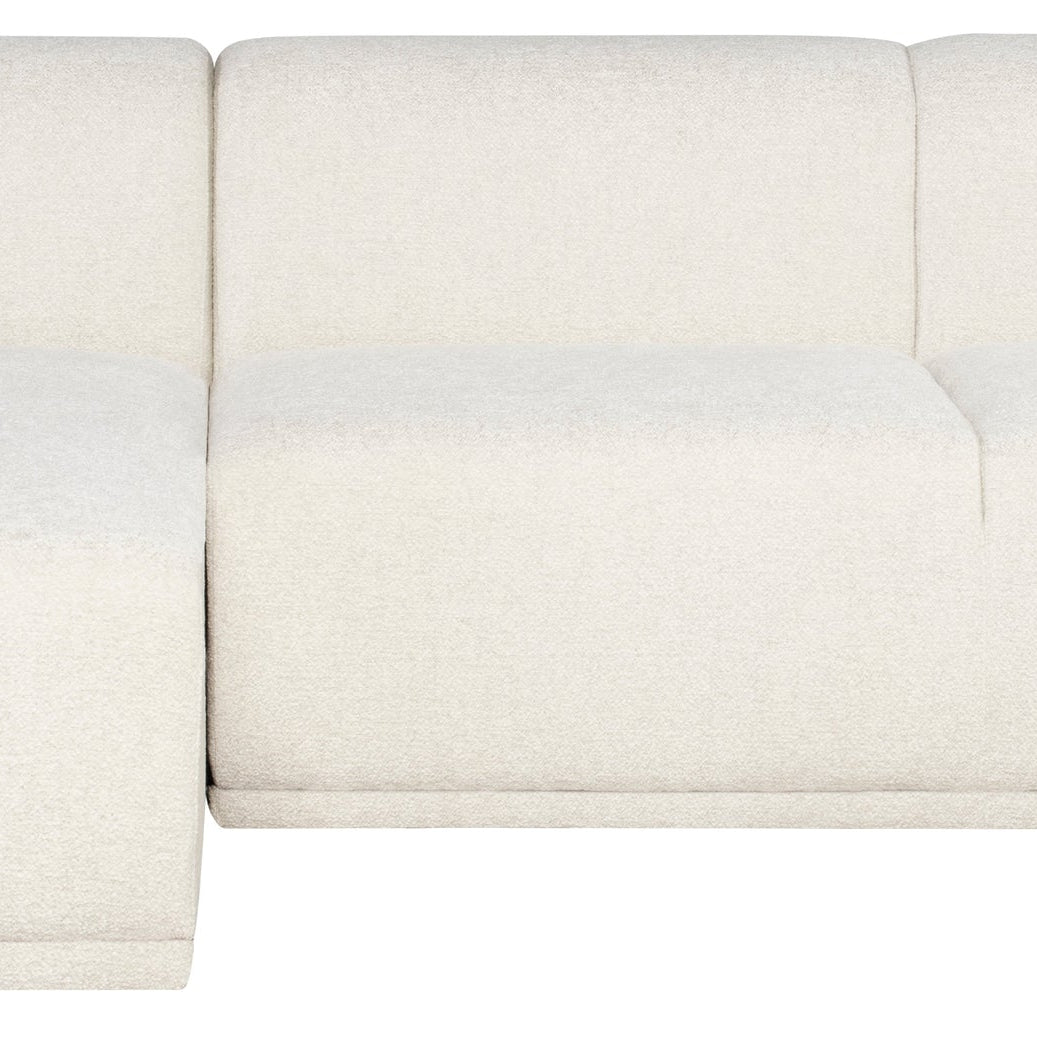
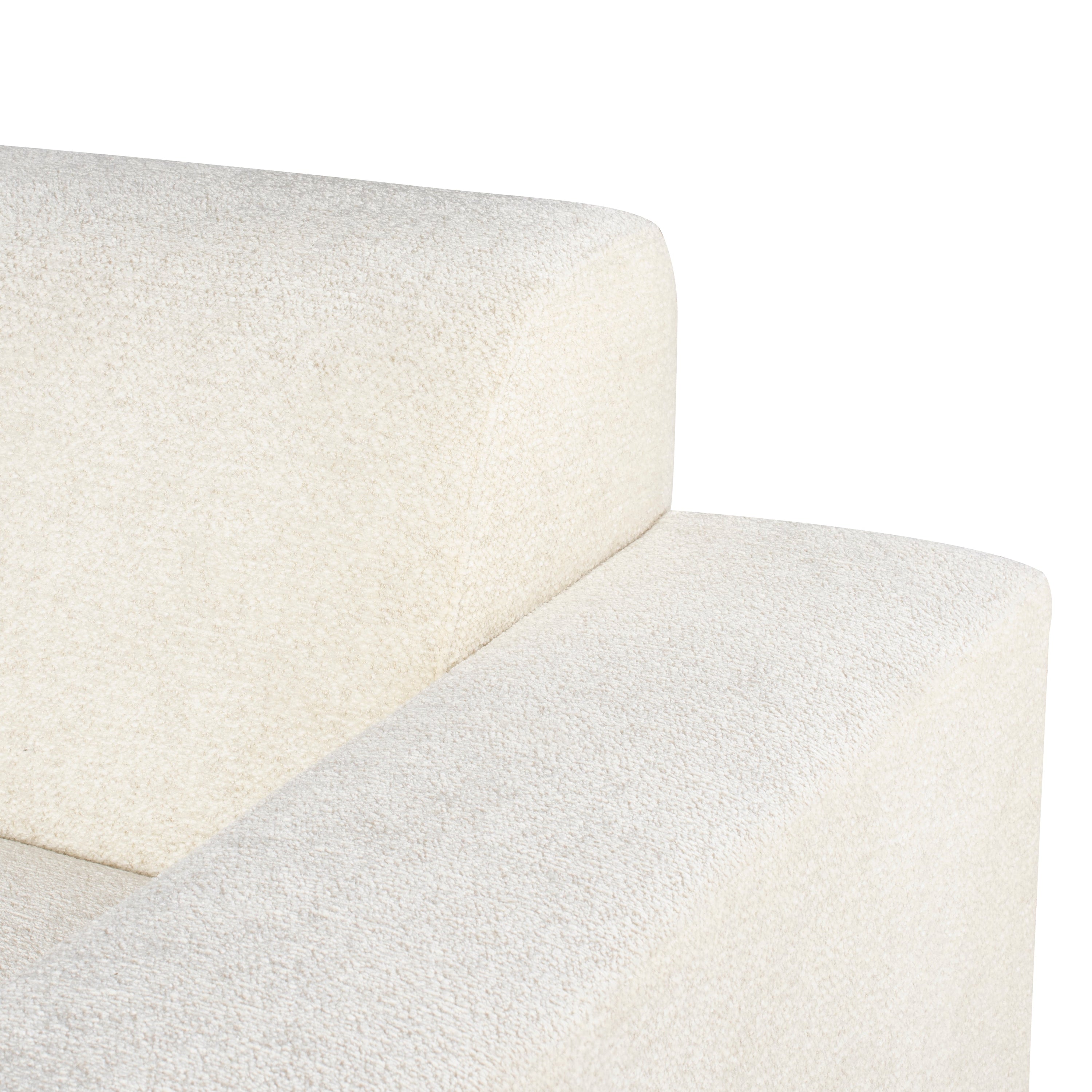
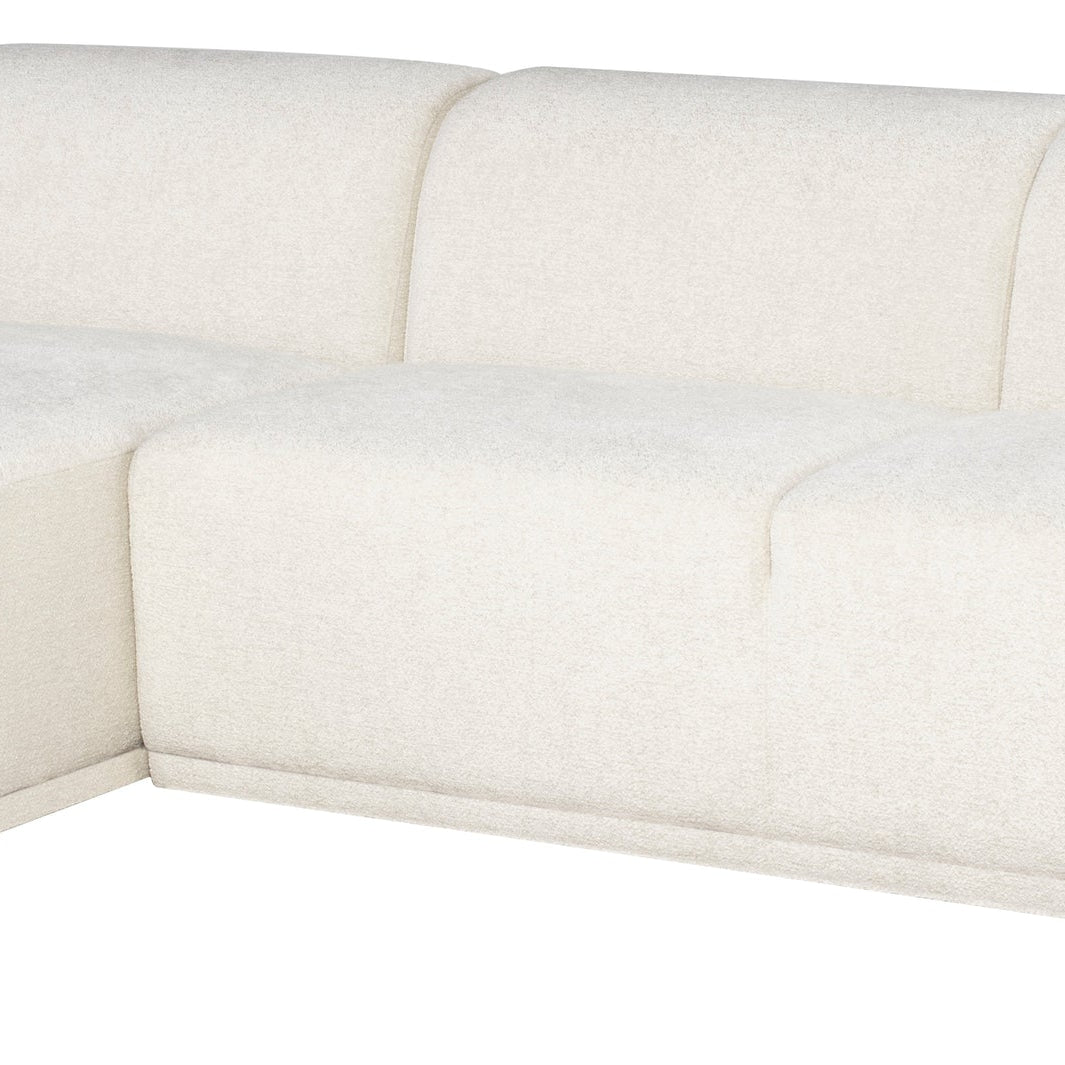
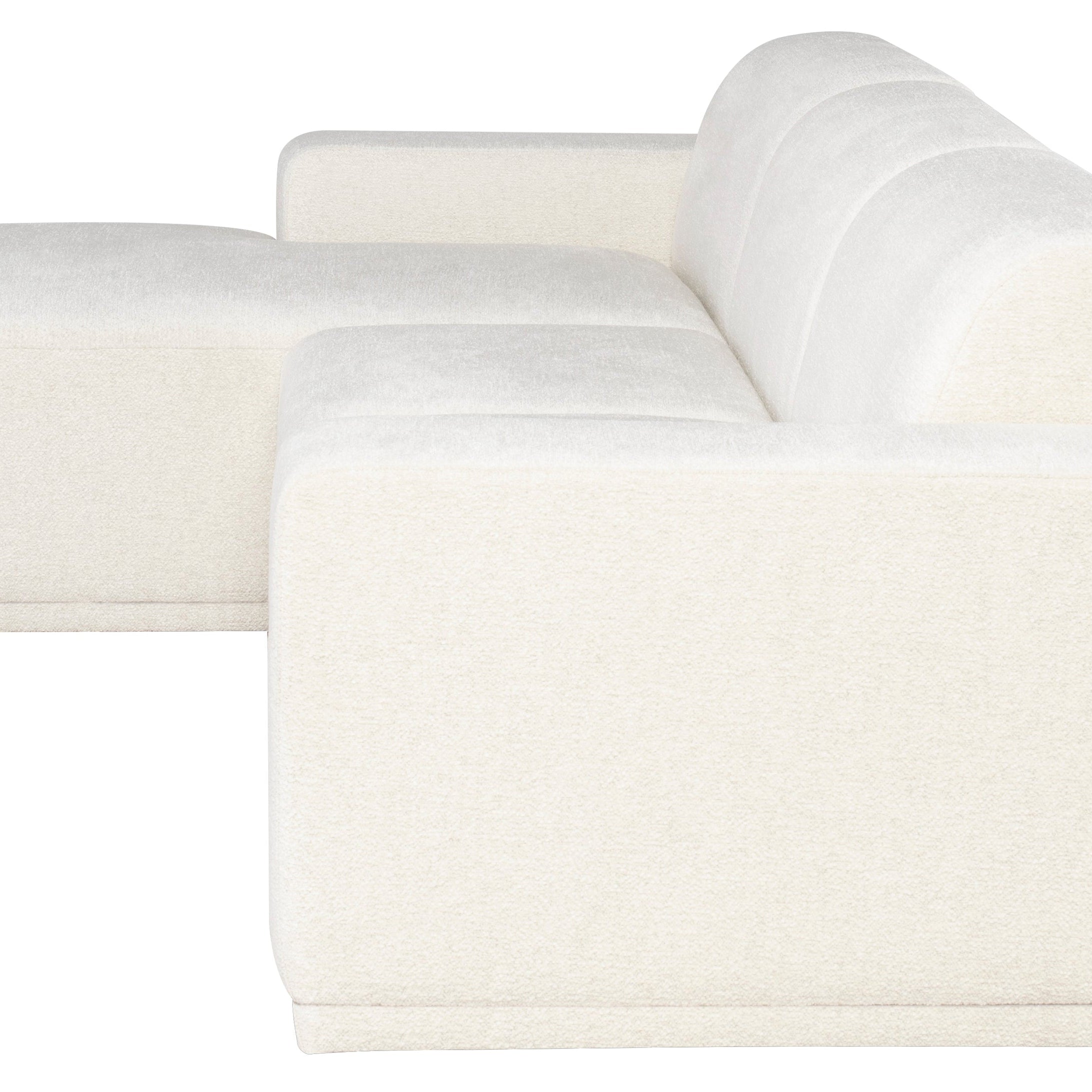
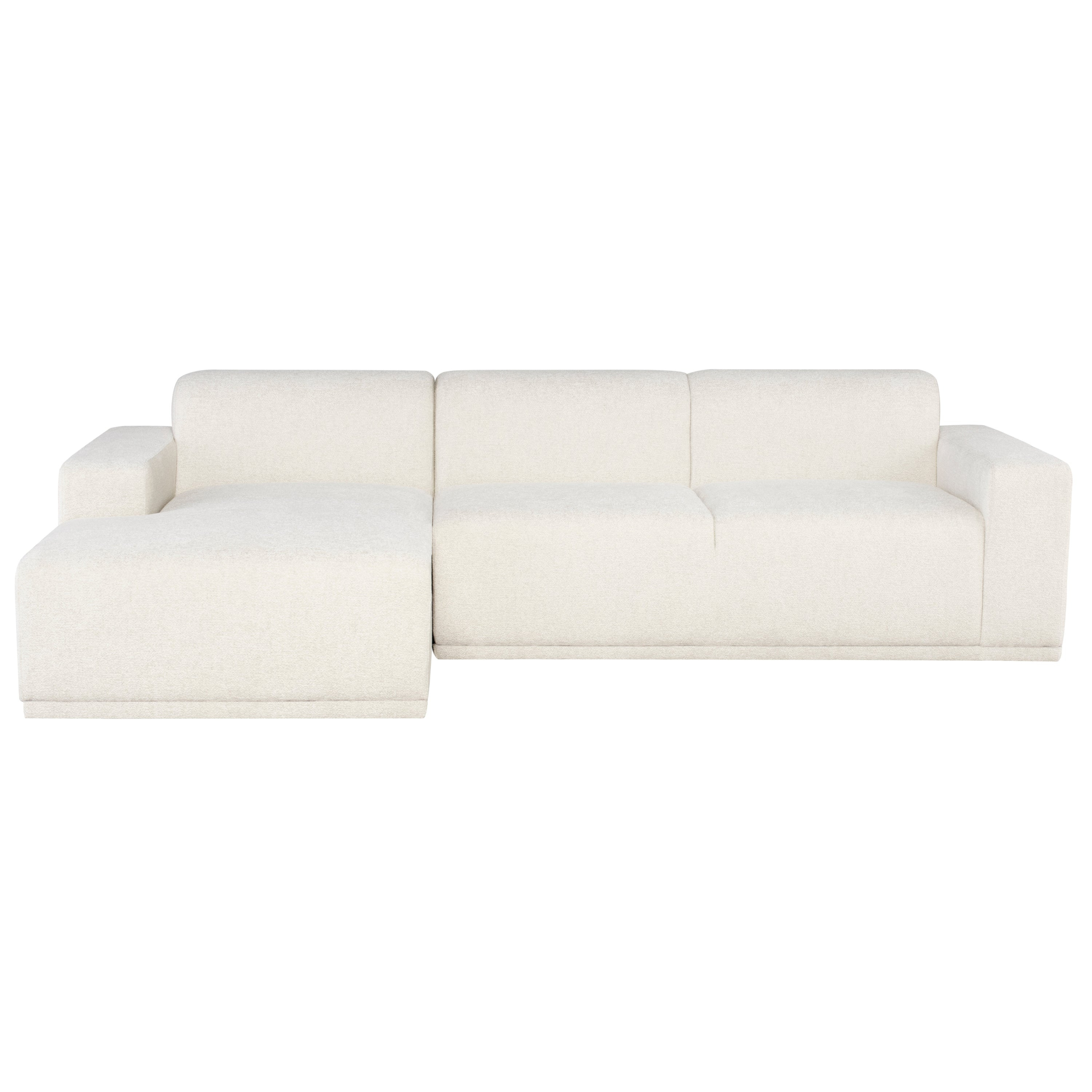
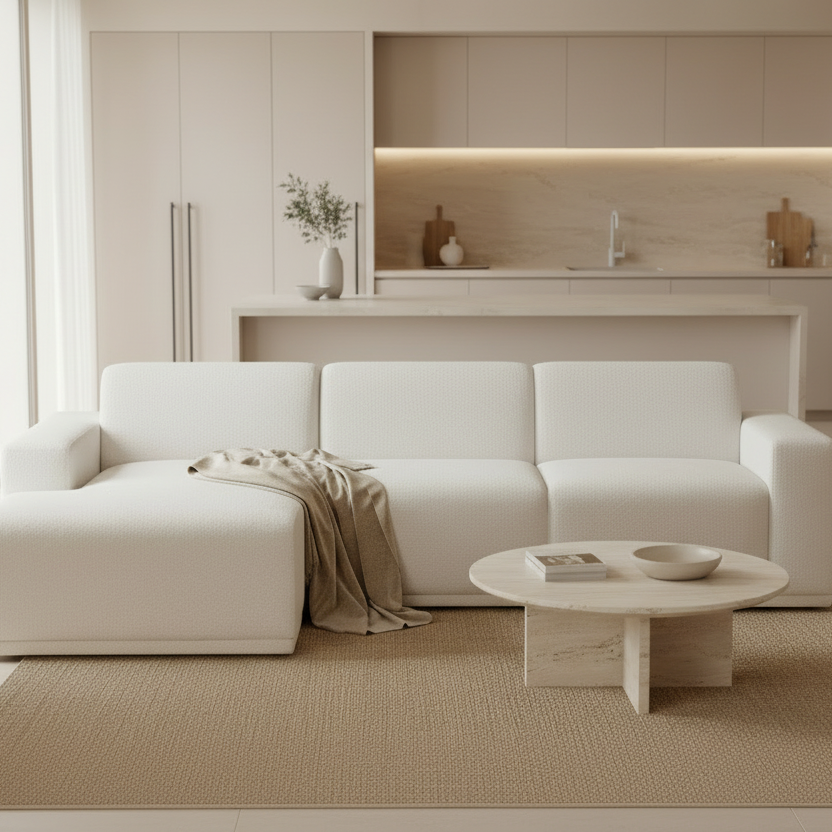
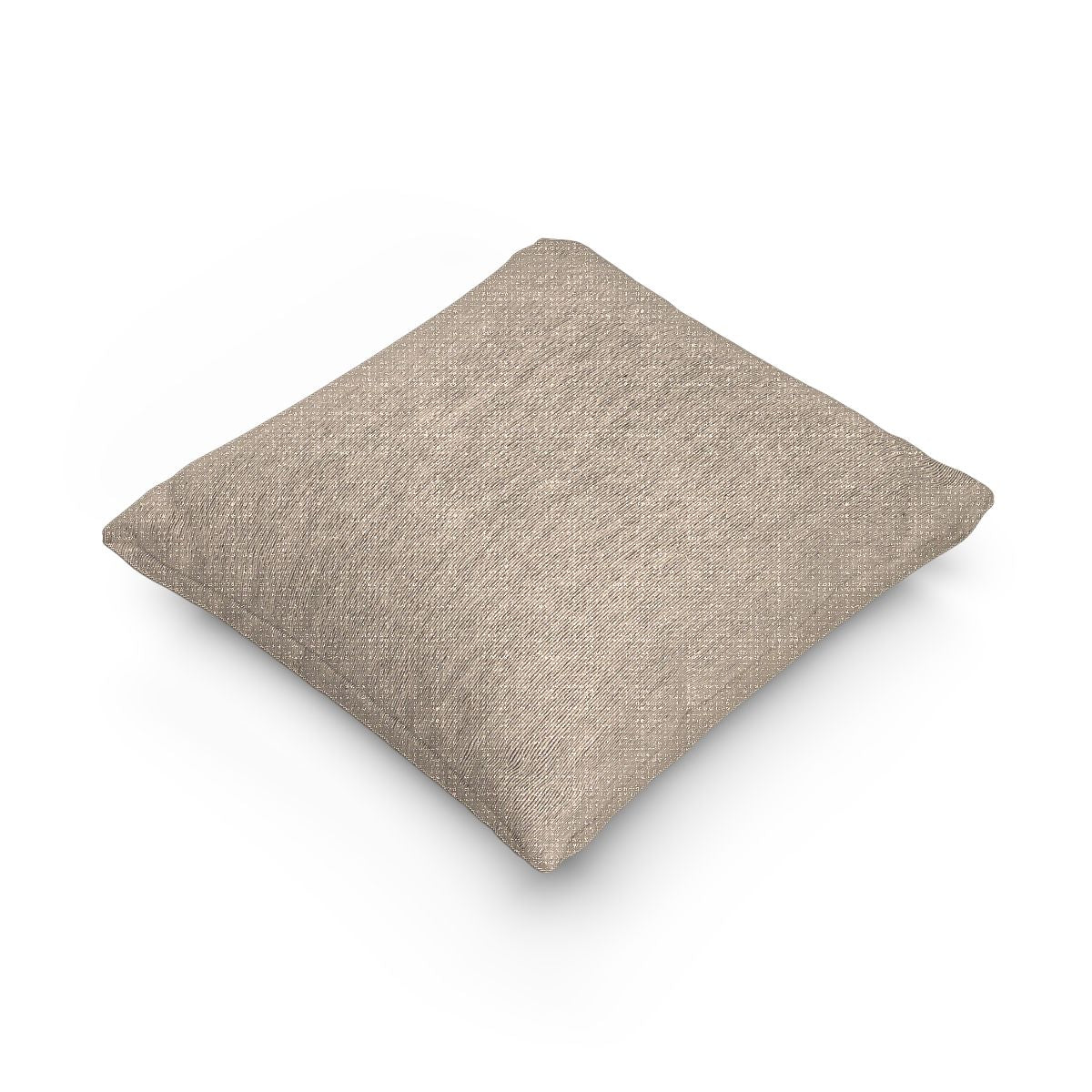
Central to this composition is the Kasper Sectional Sofa. We chose the Kasper for its clean architectural lines and its ability to anchor a large open-plan space without feeling bulky. The coconut fabric provides a lustrous, high-end texture that catches the afternoon sun, while the right-facing configuration defines the boundaries of the seating area. The design problem we solved here was one of endurance; we required a piece that offered a sculptural presence but maintained its impeccably tailored shape over time. We paired the sectional with the Rook Throw Pillow from the Veil of Beige collection to introduce a subtle layer of rhythmic texture, softening the sofa’s modern silhouette.
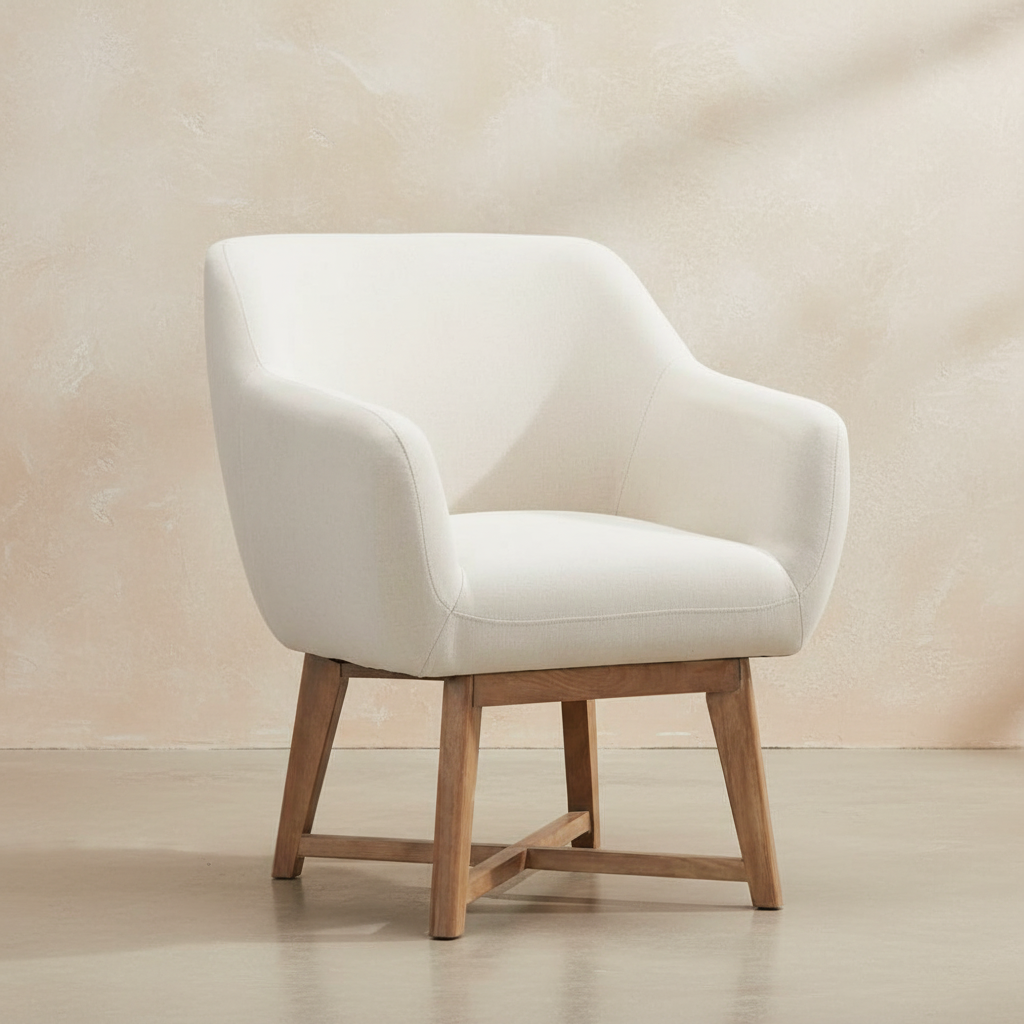
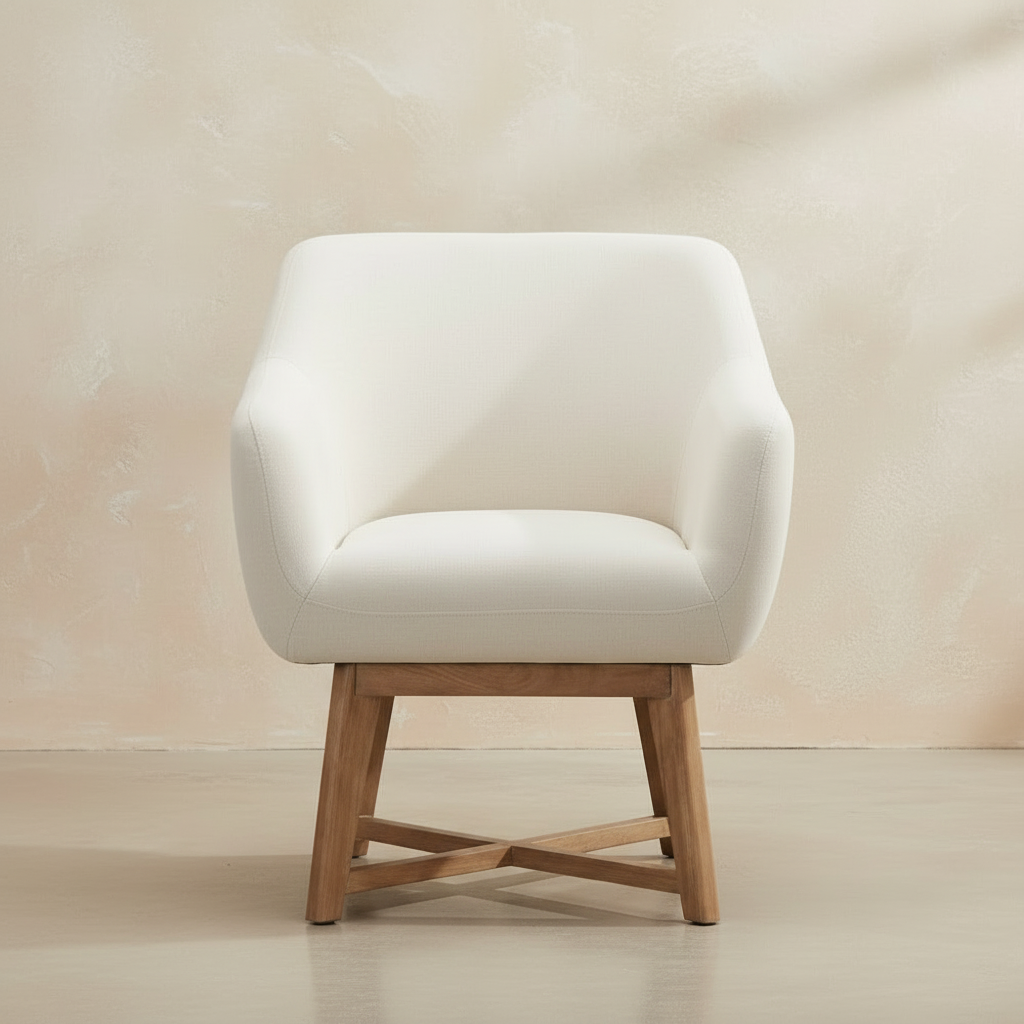
To complete the seating arrangement, we introduced the Aina Lounge Armchair. This piece was a deliberate choice to create a cohesive material narrative throughout the home. The solid wooden legs and beige upholstery of the Aina mirror the design language of the stools in the kitchen, ensuring a seamless visual transition between the two zones. The tub-style frame provides a sense of security and enclosure, which is essential for Creating a Minimal and Cozy Seating Area at Home.

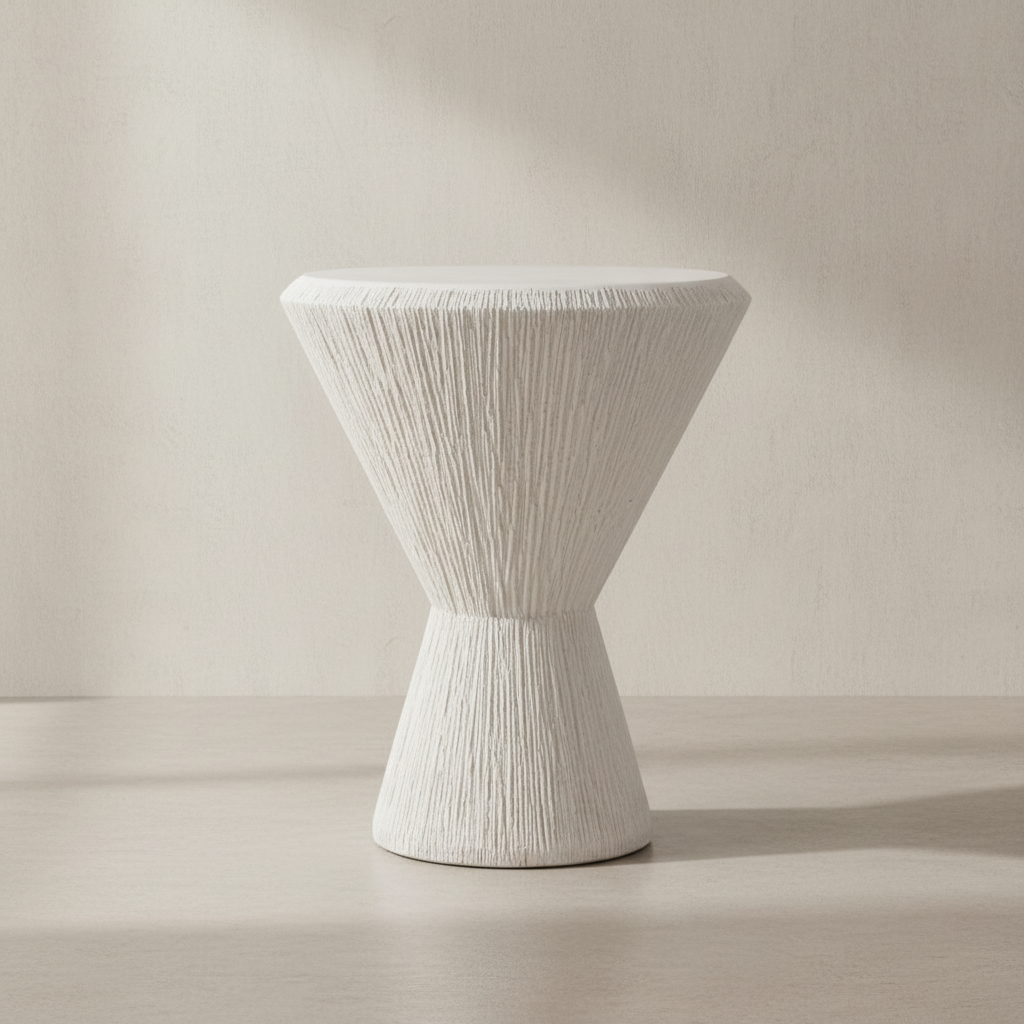
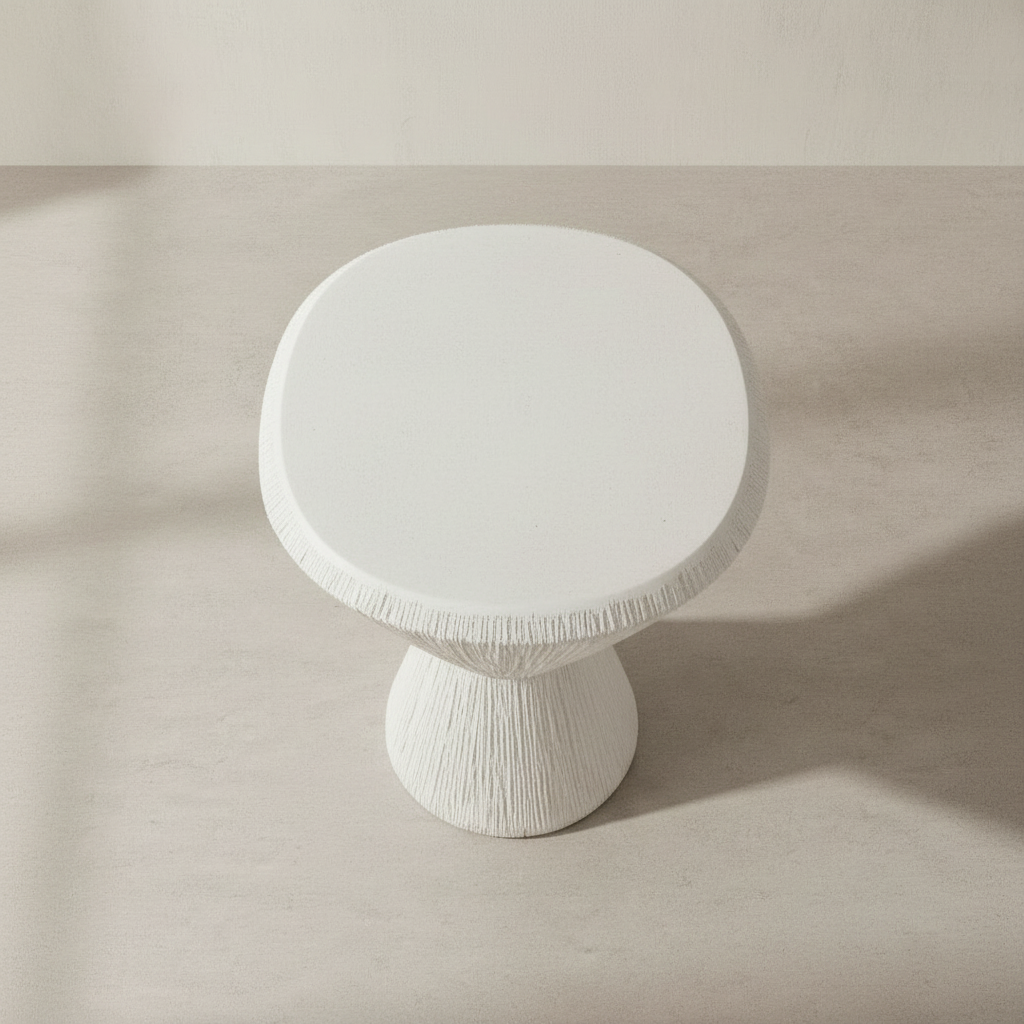
Material contrast is introduced through the Aylo Accent Side Table. Crafted from concrete with an etched, sheaf-of-wheat silhouette, the Aylo brings a refined Brutalist influence into the room. We utilized this table to solve the need for a secondary surface that felt like a piece of gallery-level art rather than just furniture. Its heavy texture and ivory finish provide a necessary counterpoint to the smooth surfaces of the walls and the plush fabric of the seating.
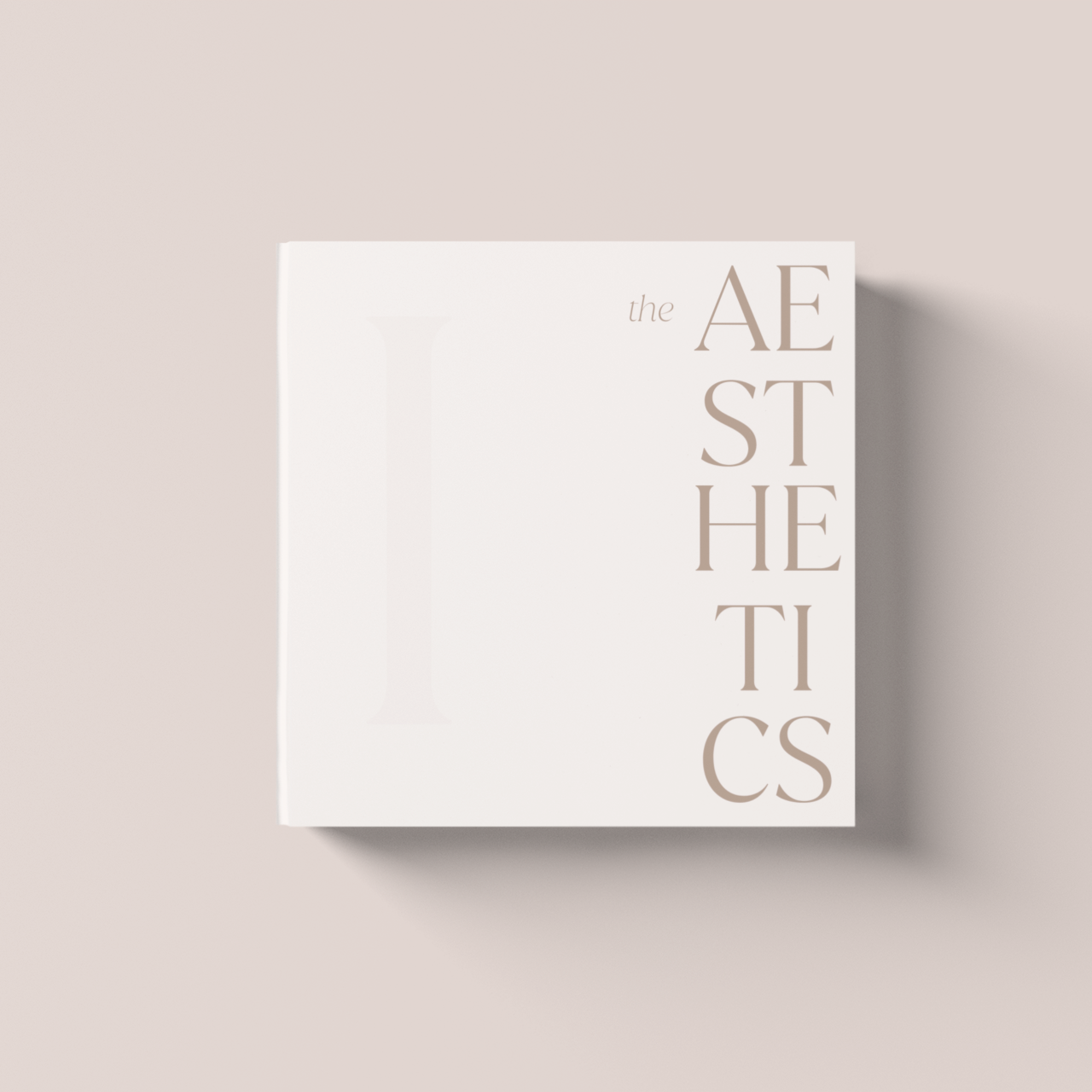
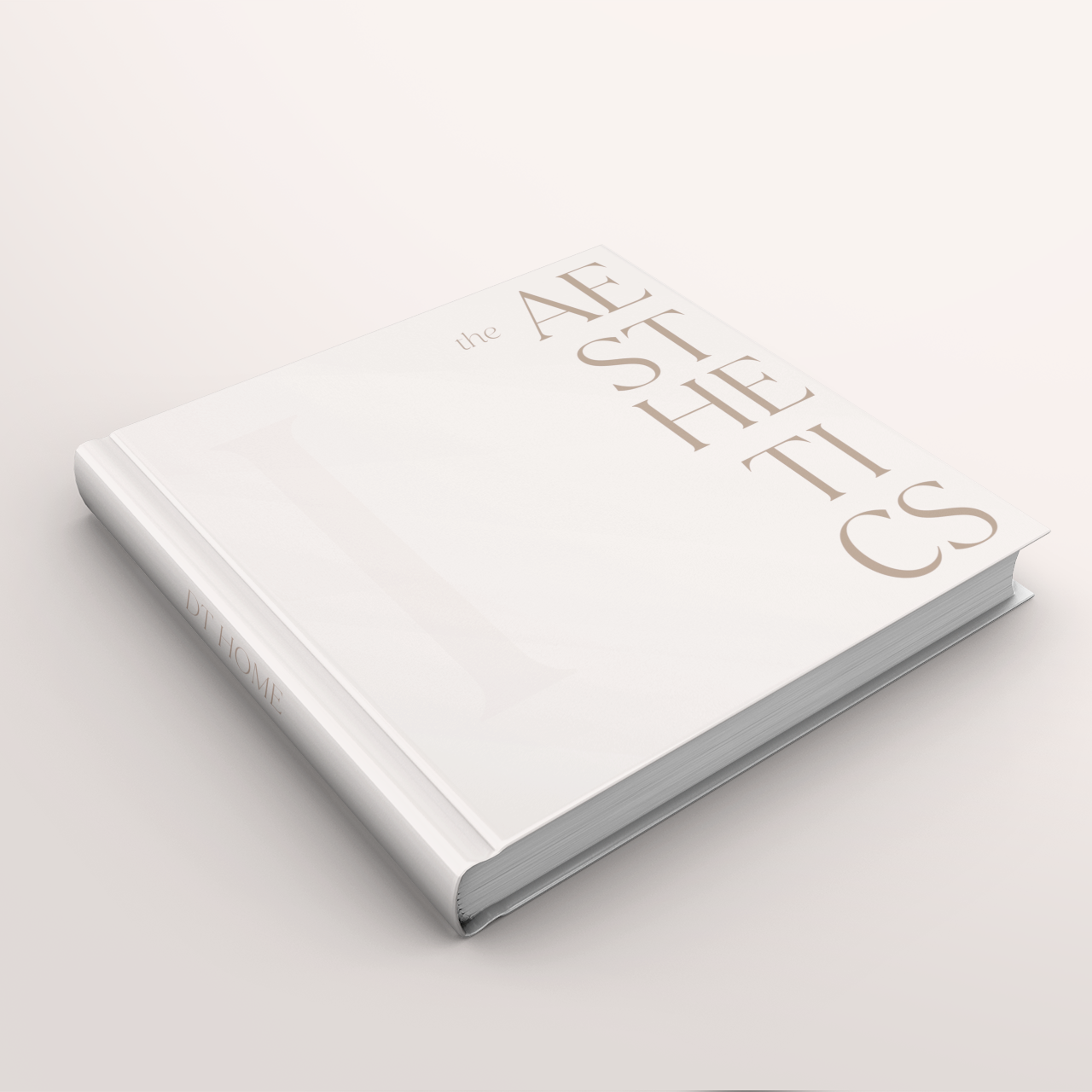
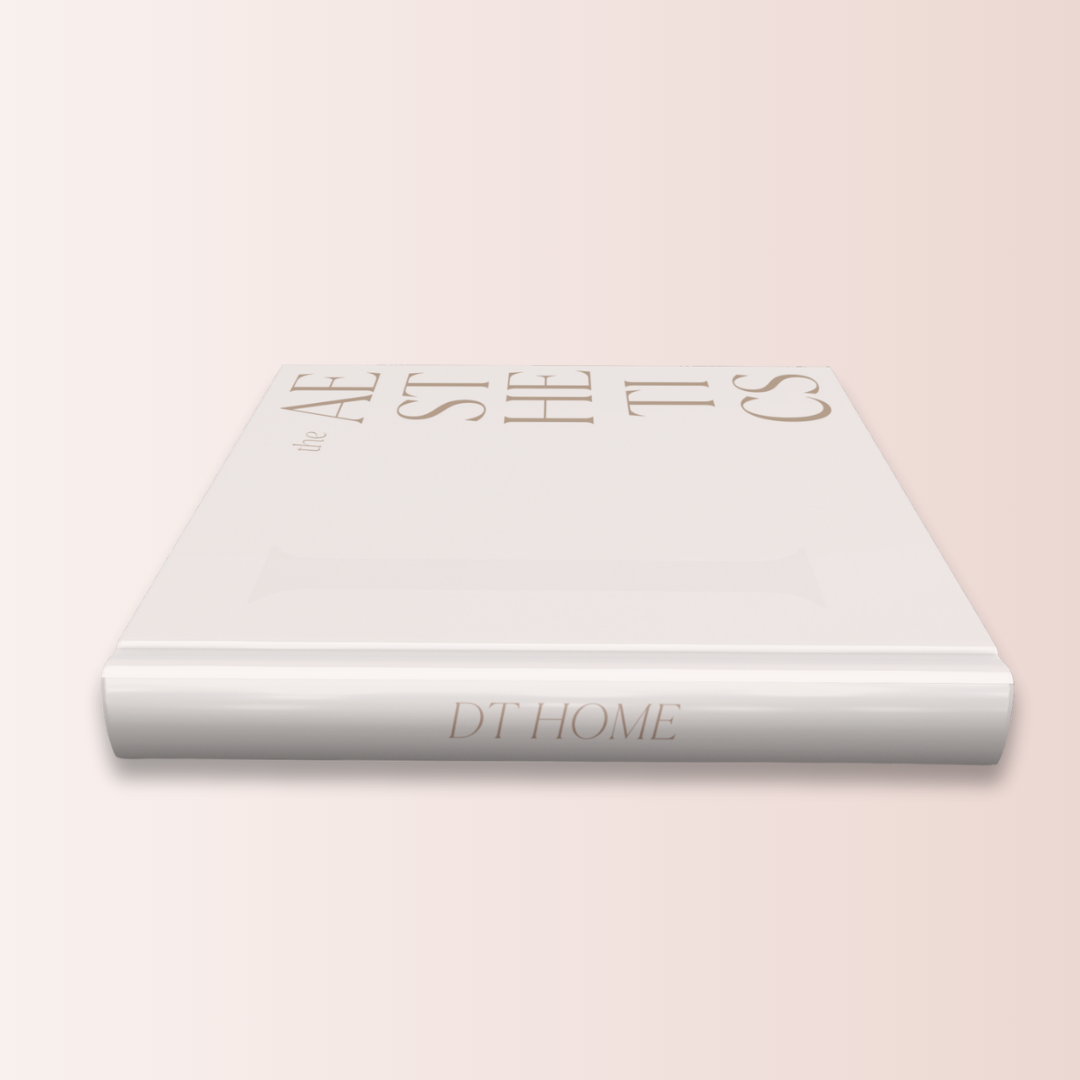
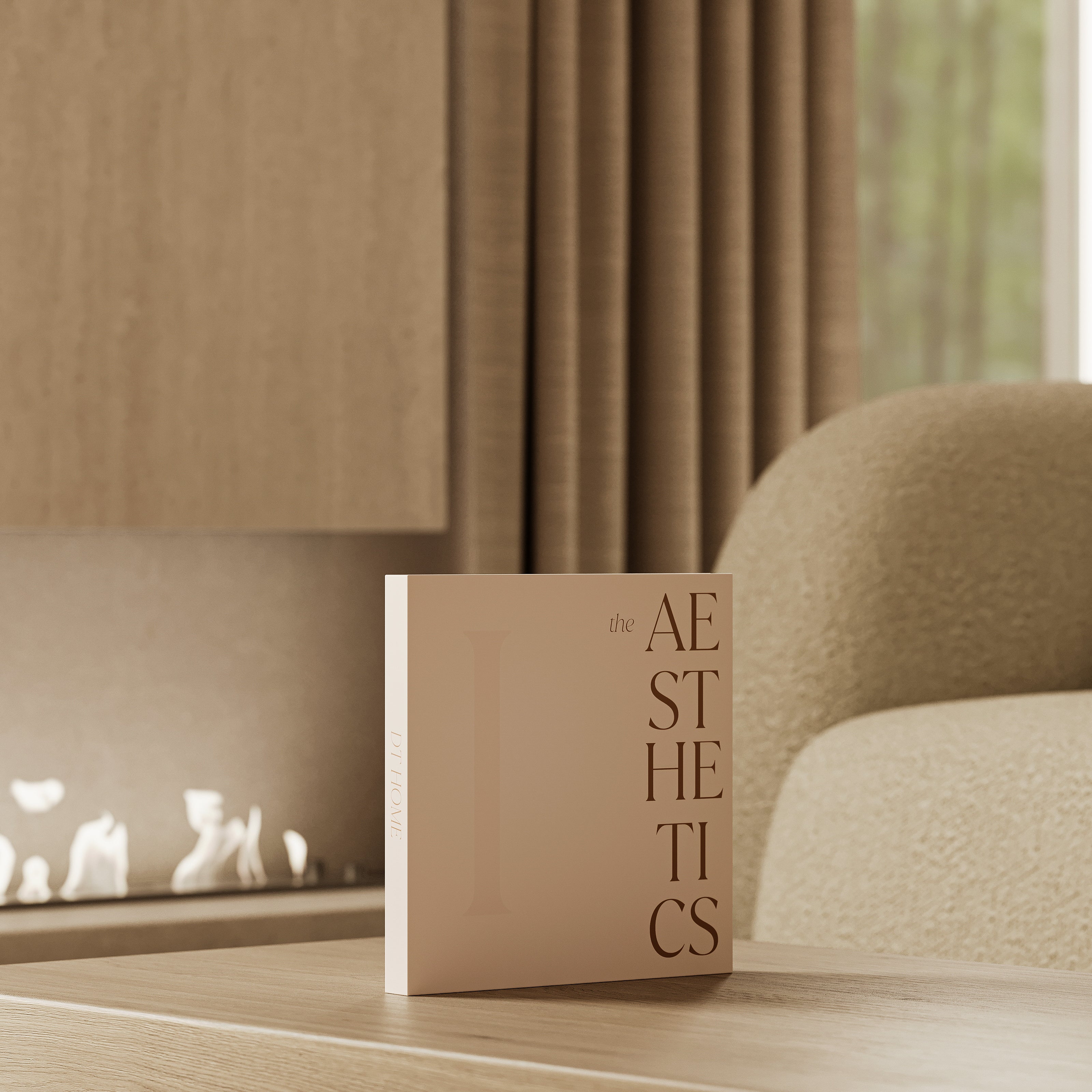
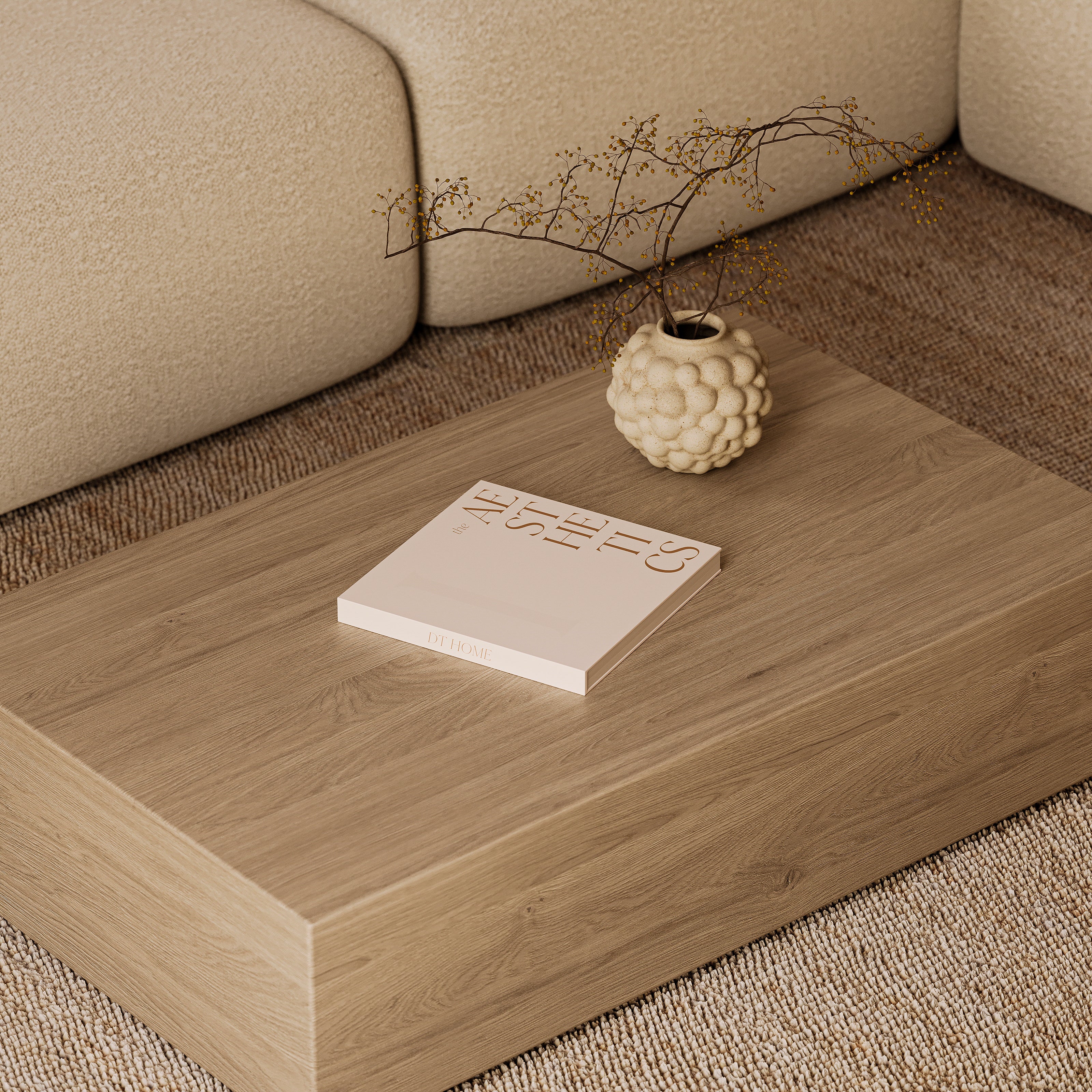
The final layers of the room focus on intellectual and visual depth. We styled the central stone table with The Aesthetics coffee table book, following our own principles found in Finding the Perfect Coffee Table Book to ensure the objects in the room reflect the inhabitant’s personal philosophy. On the primary wall, a large-scale piece of textured art serves as a silent focal point. As outlined in our Guide to Choosing the Best Wall Art for Your Space, we selected a piece that prioritizes tactile movement over color, ensuring the art supports the room’s atmosphere rather than competing with it.
The Home Office: An Intellectual Gallery
The home office within the Bellini Residence is designed to be a place of quiet focus where the professional and the personal intersect. Rather than treating this room as a purely utilitarian space, we approached it as a gallery for thought. The design intention was to eliminate the visual noise often associated with work environments, instead creating a setting that feels expansive and orderly.

The emotional tone of the office is one of disciplined calm. We achieved this through the use of a continuous travertine surface for the desk, which physically grounds the room and provides a heavy, tactile workspace. By utilizing large scale windows that look out onto the horizon, we ensured the room remains connected to natural light cycles, a core principle in Designing the Ideal Cozy and Minimal Home Office. The walls are kept intentionally bare to allow the eye to rest, supporting the concept of The Office as Gallery where the furniture itself becomes the art.
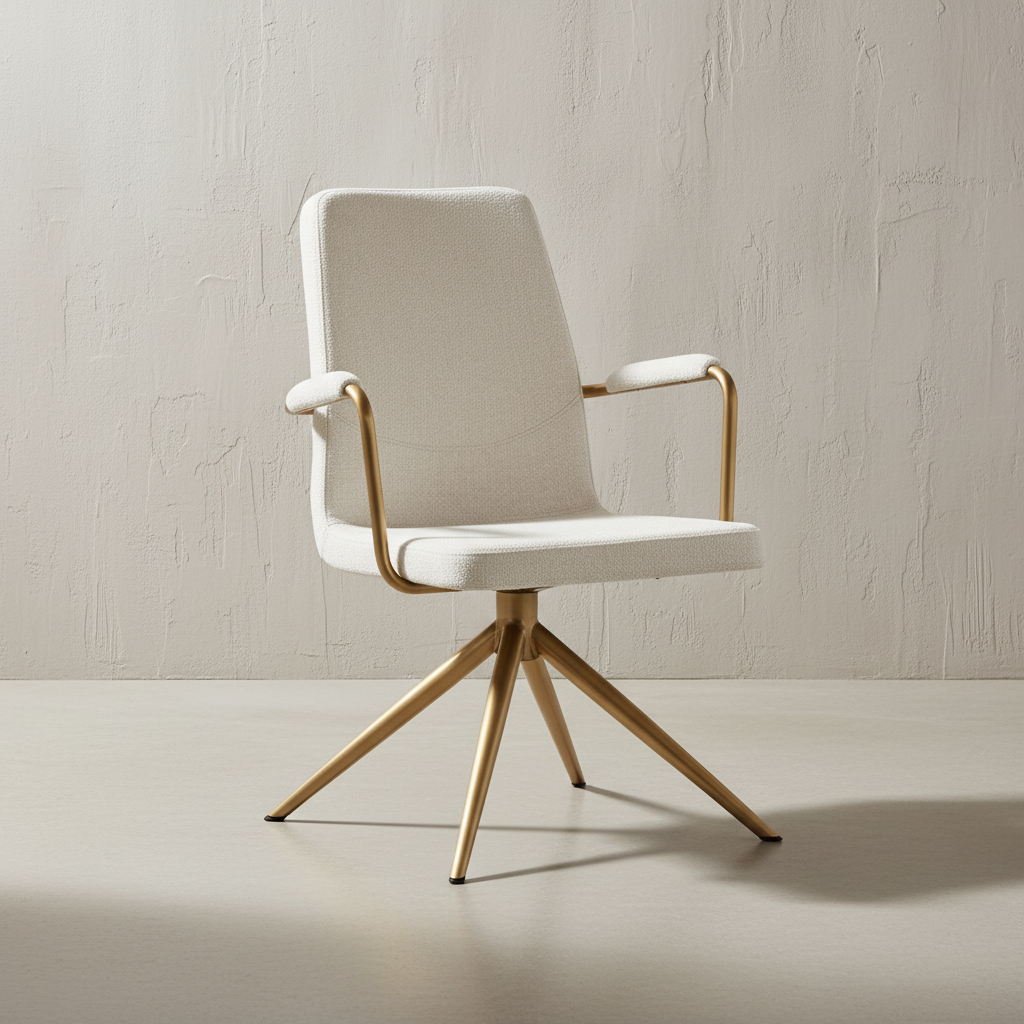
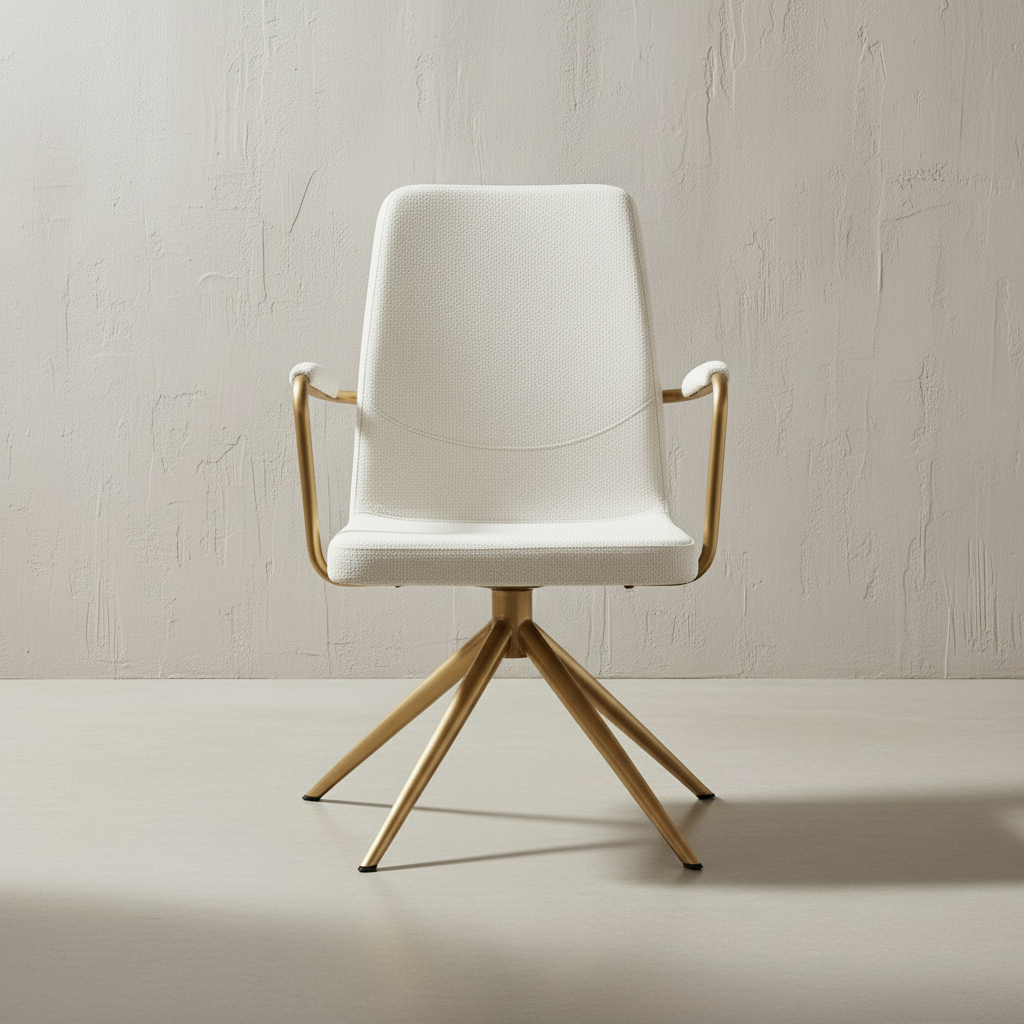
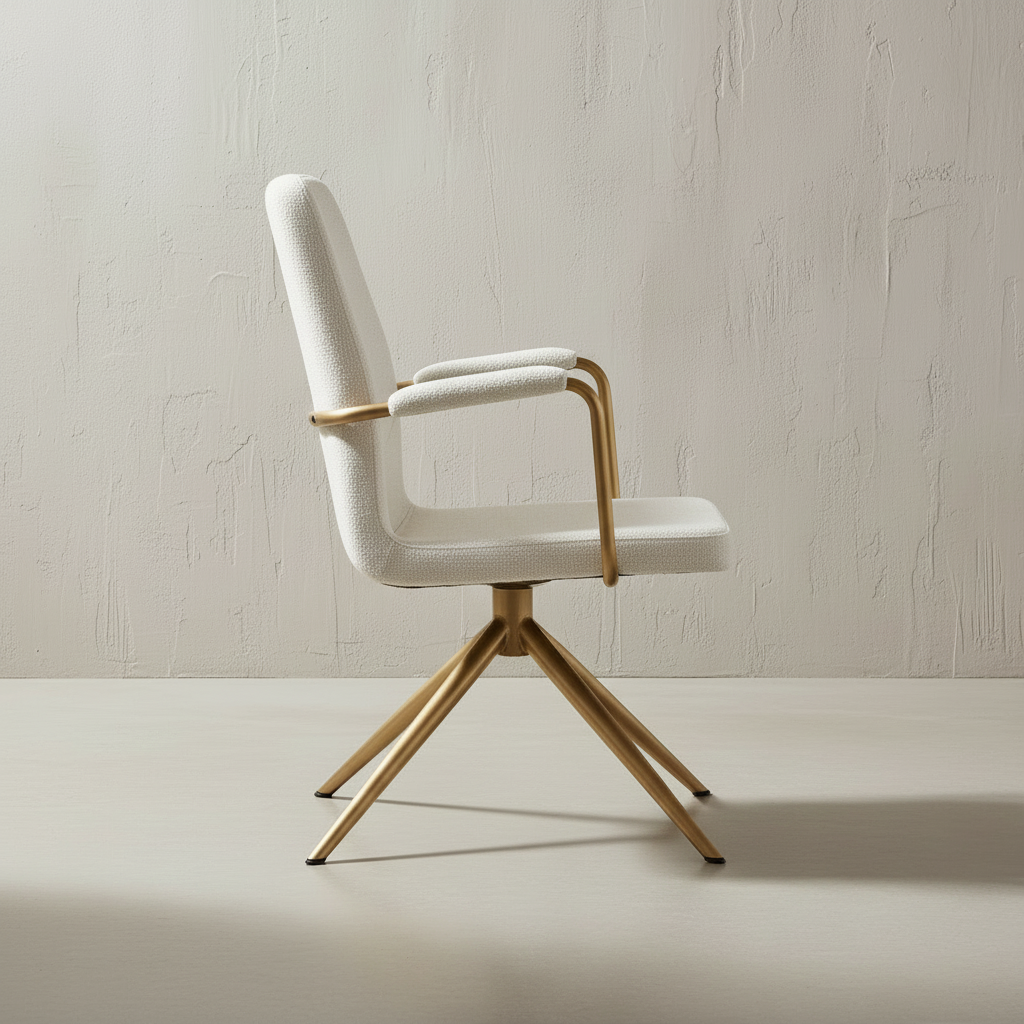
To solve the problem of finding a workspace chair that offers professional utility without looking clinical, we selected the Ivra Swivel Office Chair. While its form is refined enough for an upscale dining environment, its 360 degree swivel and deep, supportive cushioning make it a perfect solution for a modern home office. The Chacha Cream performance fabric maintains the residence’s strict monochromatic palette, while the gold stainless steel base adds a necessary metallic warmth that catch the light. This selection ensures the room feels like a high end lounge rather than a corporate station.

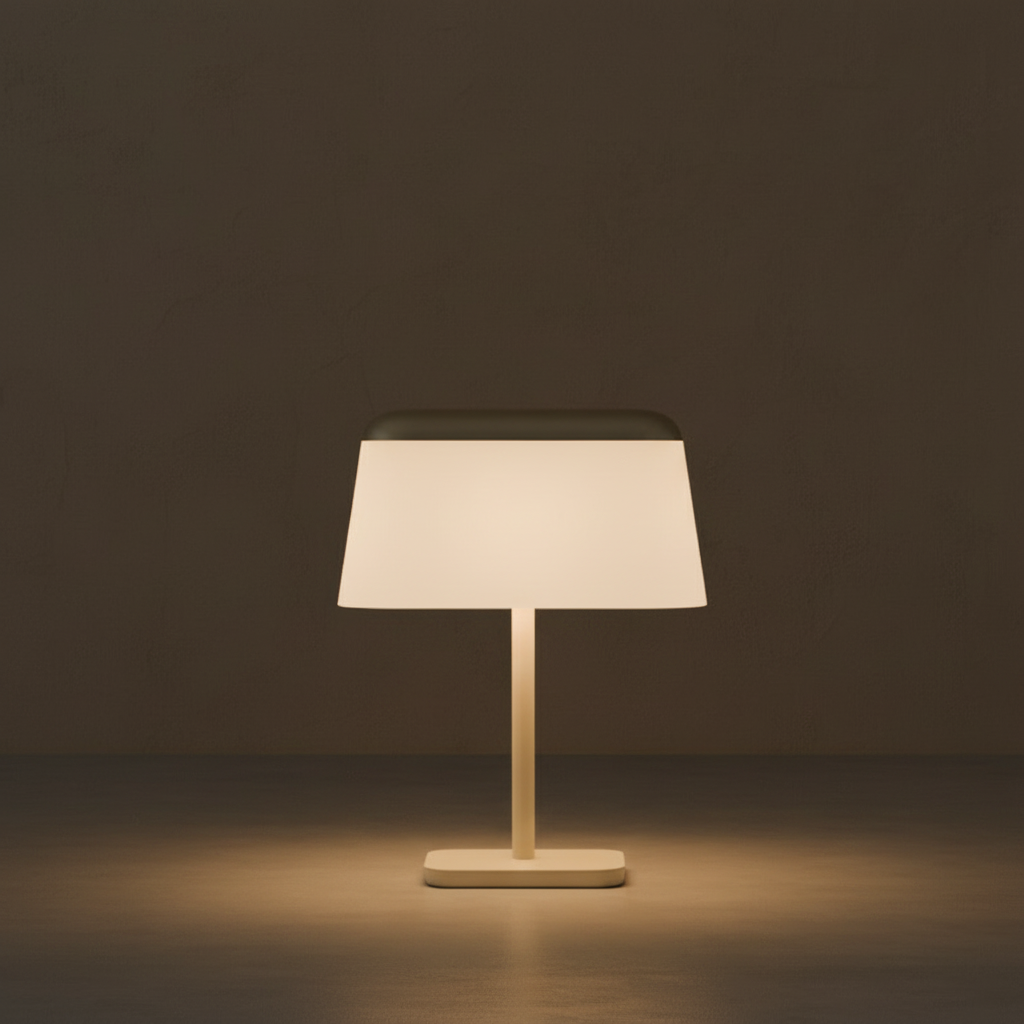
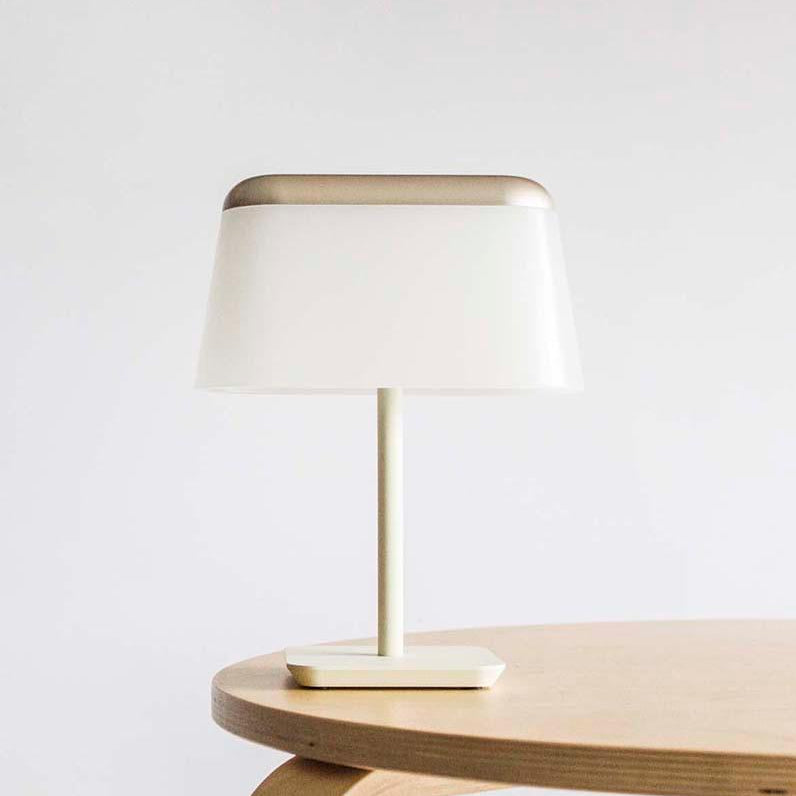
Lighting is used here to define the boundaries between the workspace and the rest of the home. We placed the Omi Table Lamp on the travertine desk to provide a soft, focused glow for evening work. The gold finish of the lamp was chosen to specifically match the base of the Ivra chair, creating a cohesive visual link across the room. The touch dimmable feature allows for a transition from high focus light to a warmer, ambient 3000K glow, which is essential for winding down as discussed in our guide to 20 Home Office Must Haves to Design the Perfect Modern Workspace.
To soften the hard edges of the stone desk and the built in cabinetry, we introduced a tall arrangement of Pampas Grass. This organic element adds height and a feathered texture that breaks up the architectural rigidity of the room. It serves as a reminder of the natural world, reinforcing the human and grounded atmosphere that defines every corner of the Bellini Residence.
The Bedroom: Private Quietude and Rhythmic Layering
The master bedroom in the Bellini Residence is the most intimate expression of our tonal philosophy. In this space, the architectural rigidity seen in the communal areas is consciously softened to prioritize rest. The design intention was to create a rhythmic environment where the layering of textiles provides a sense of enclosure and safety.

The emotional tone of the bedroom is defined by a slow, tactile energy. We moved away from the heavy stone surfaces used in the foyer and kitchen, instead focusing on the interplay of natural fibers and soft light. This approach is rooted in our philosophy of Layered Neutrals: Styling a Bedroom with Depth and Warmth, where the goal is to create visual interest through physical texture rather than color. By utilizing a strict "Three Shade Rule" incorporating ivory, sand, and cream. We have created a space that feels expansive yet deeply private.
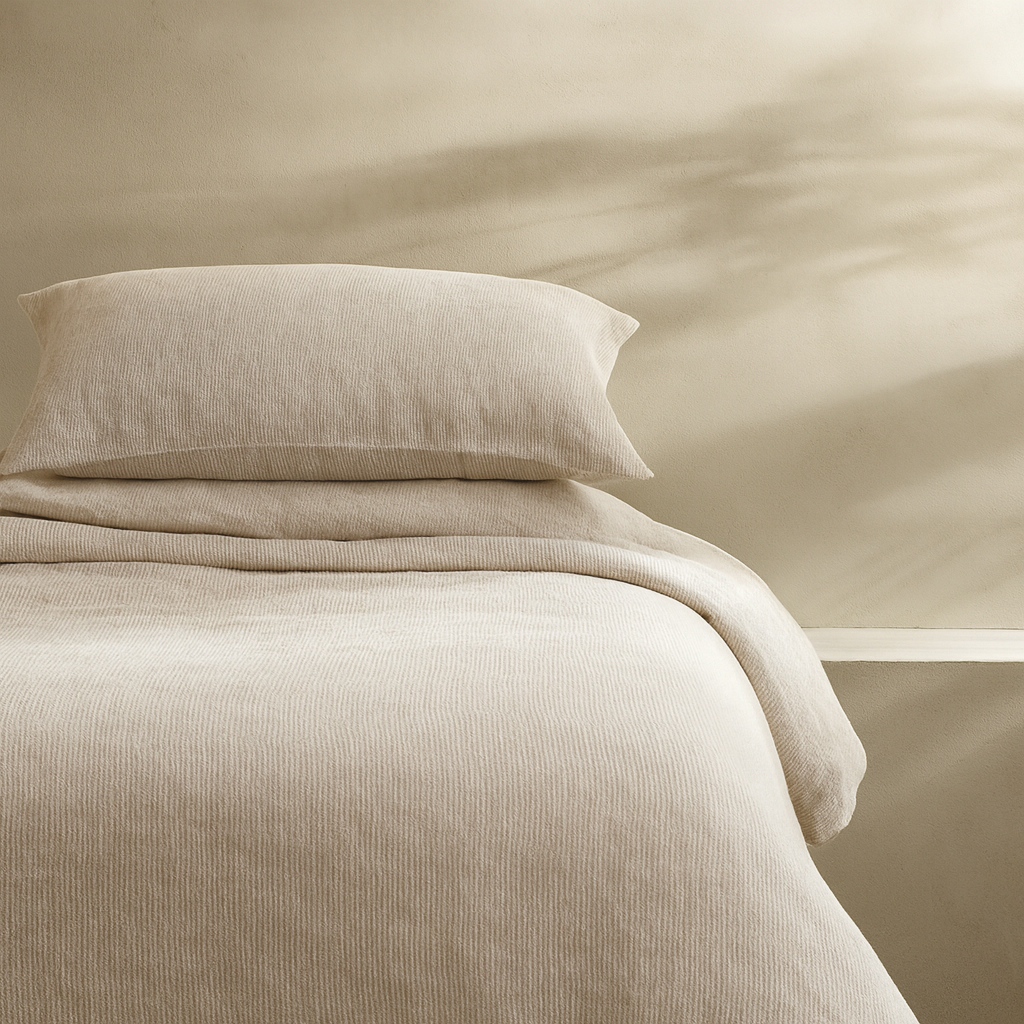
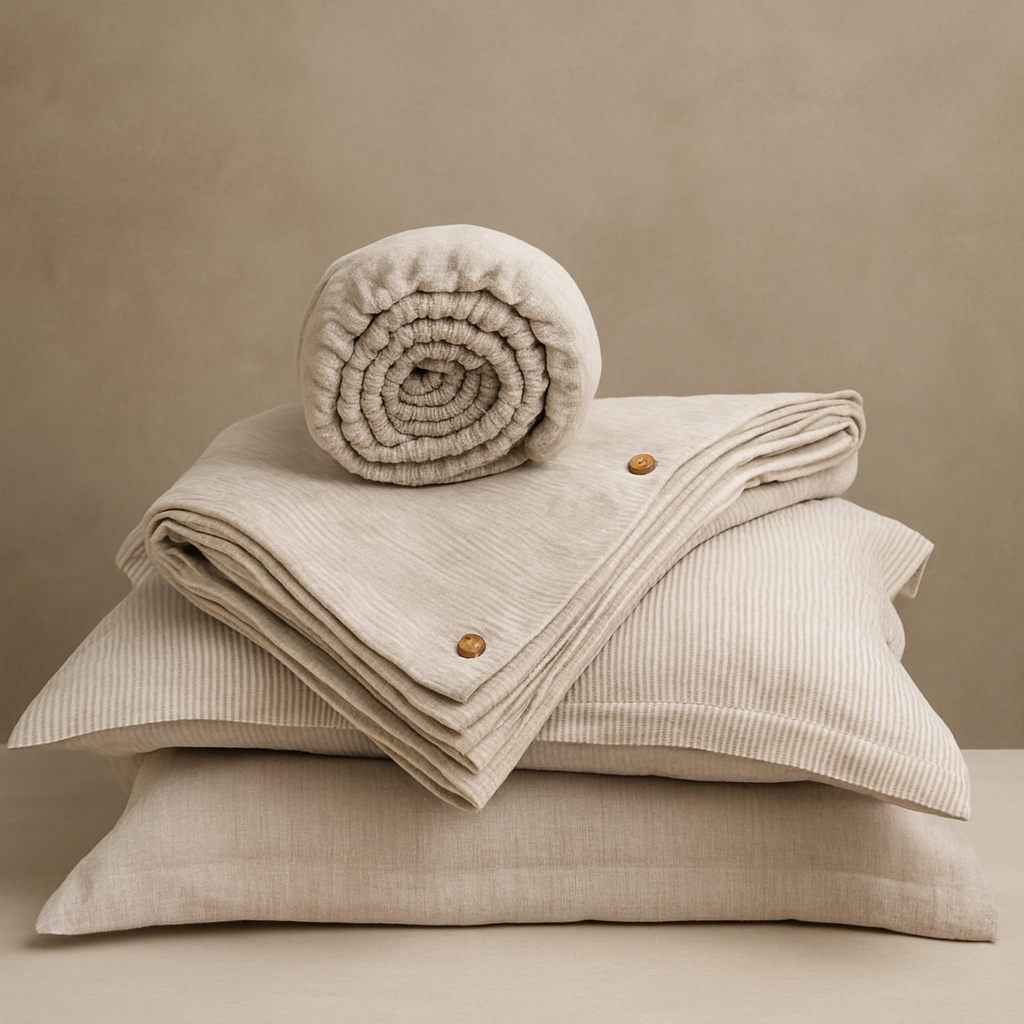
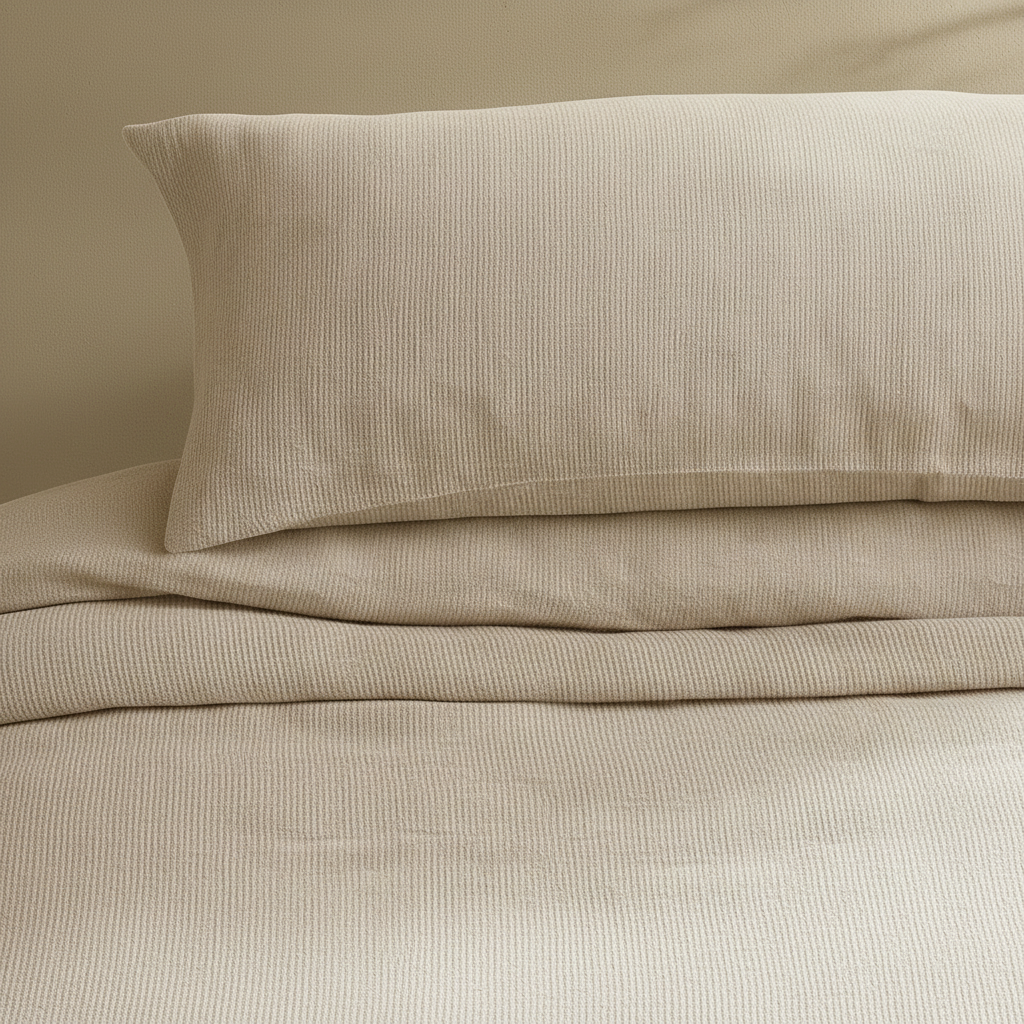
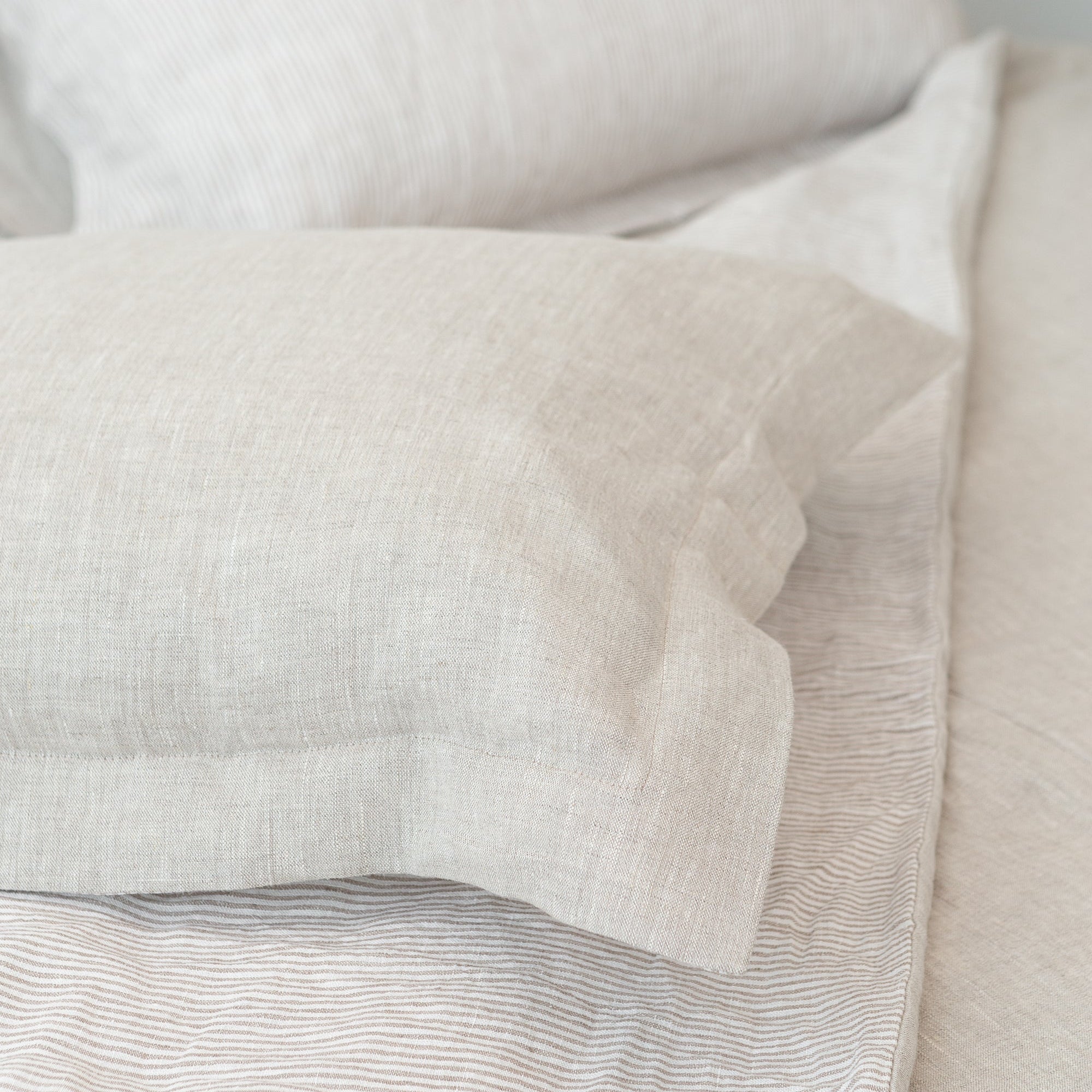
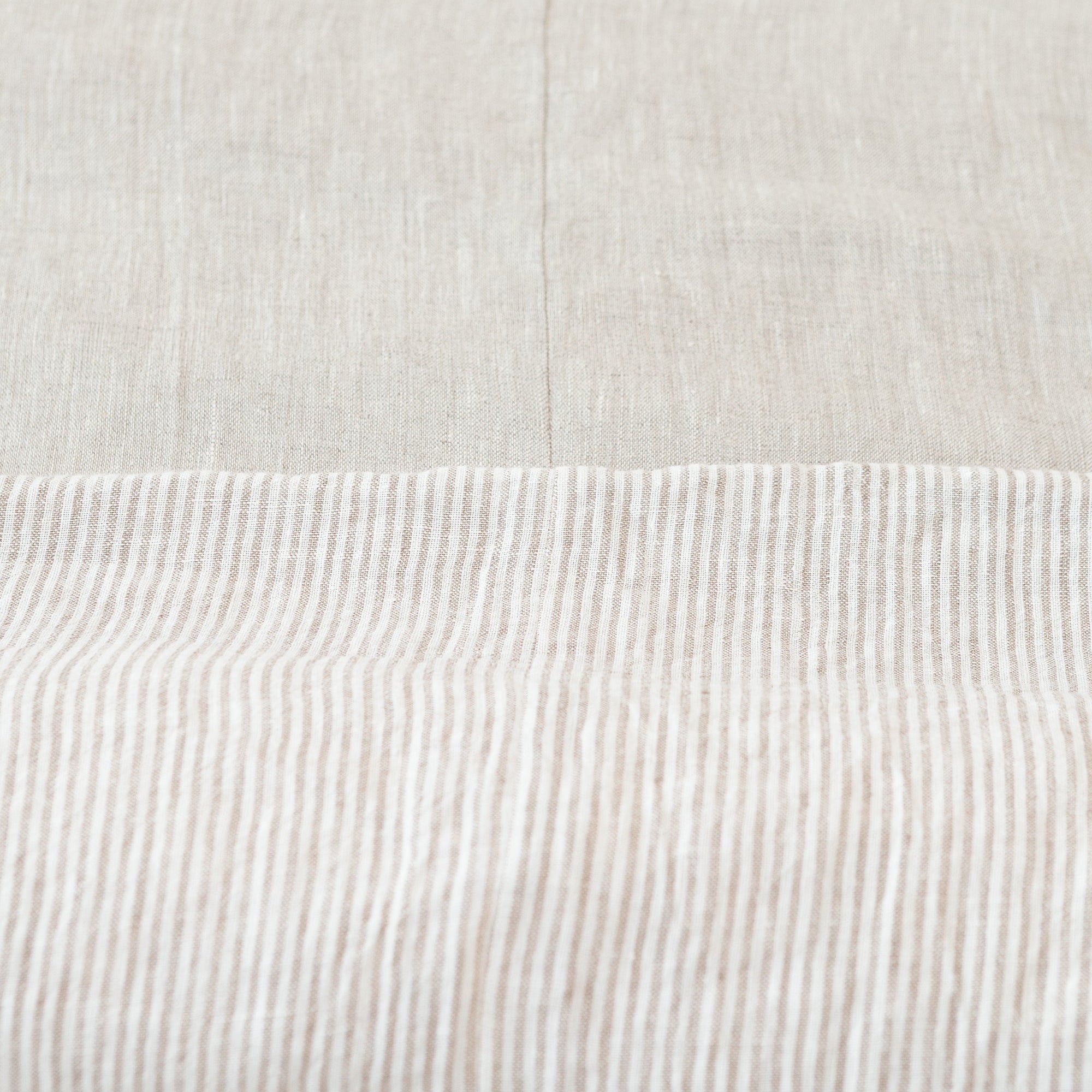
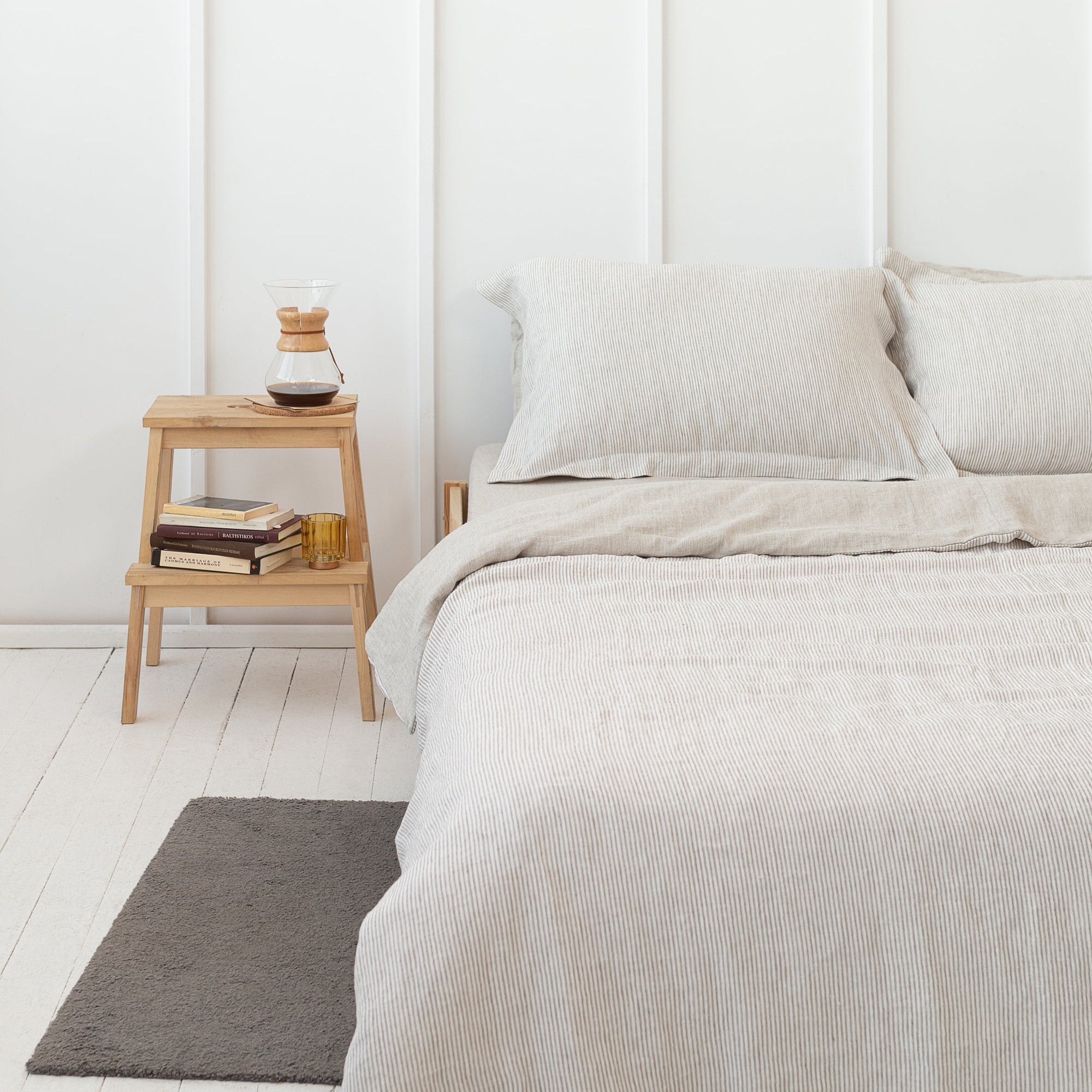
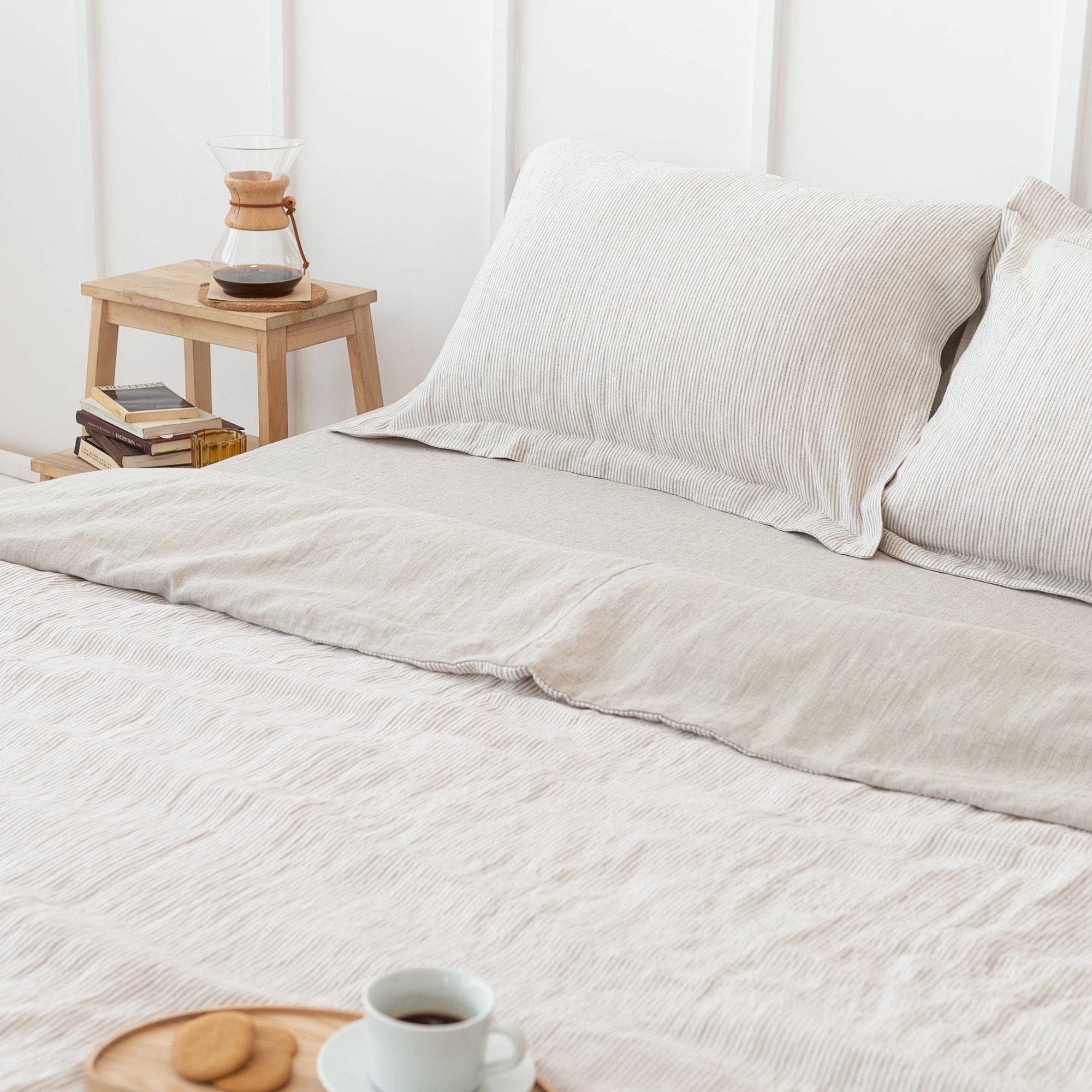
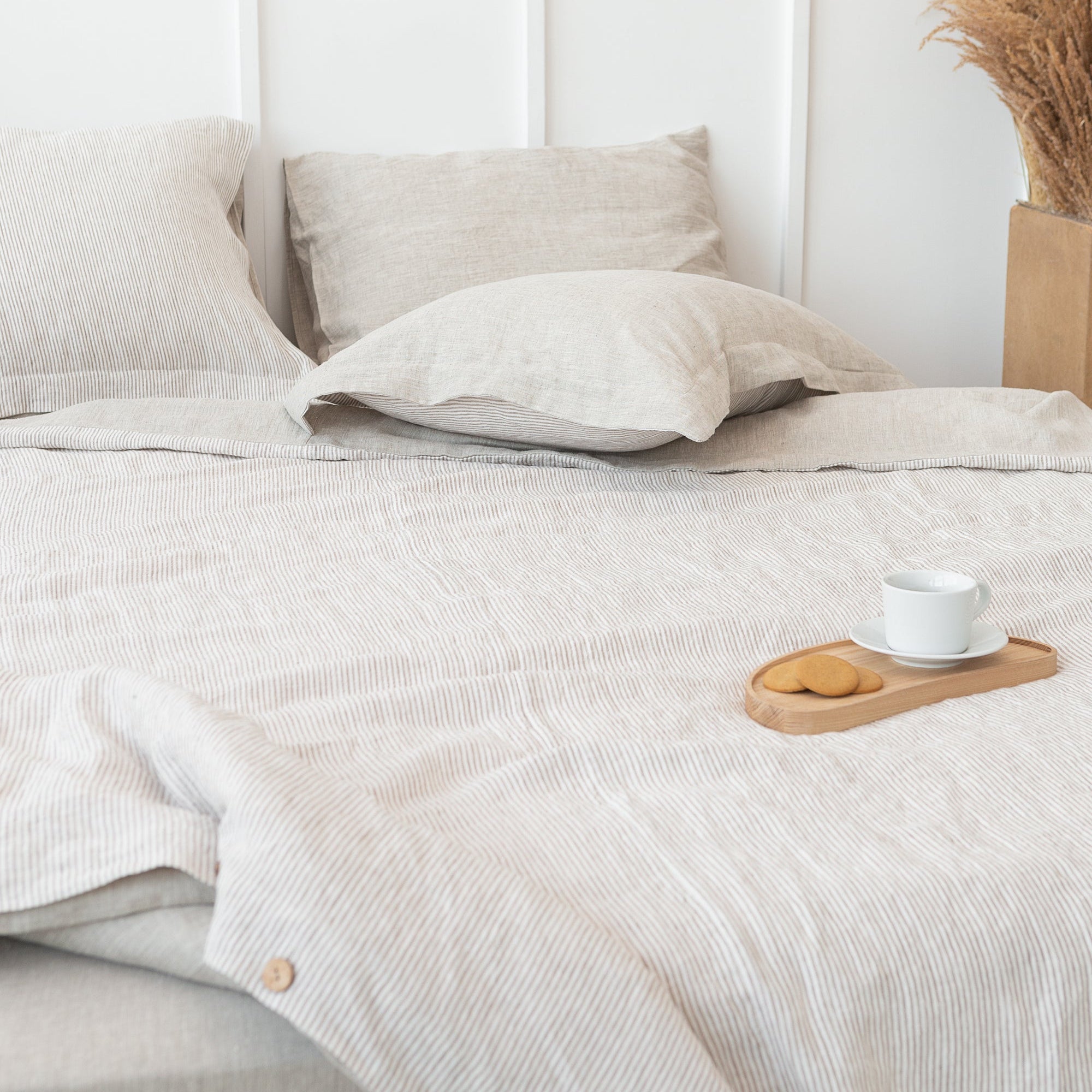
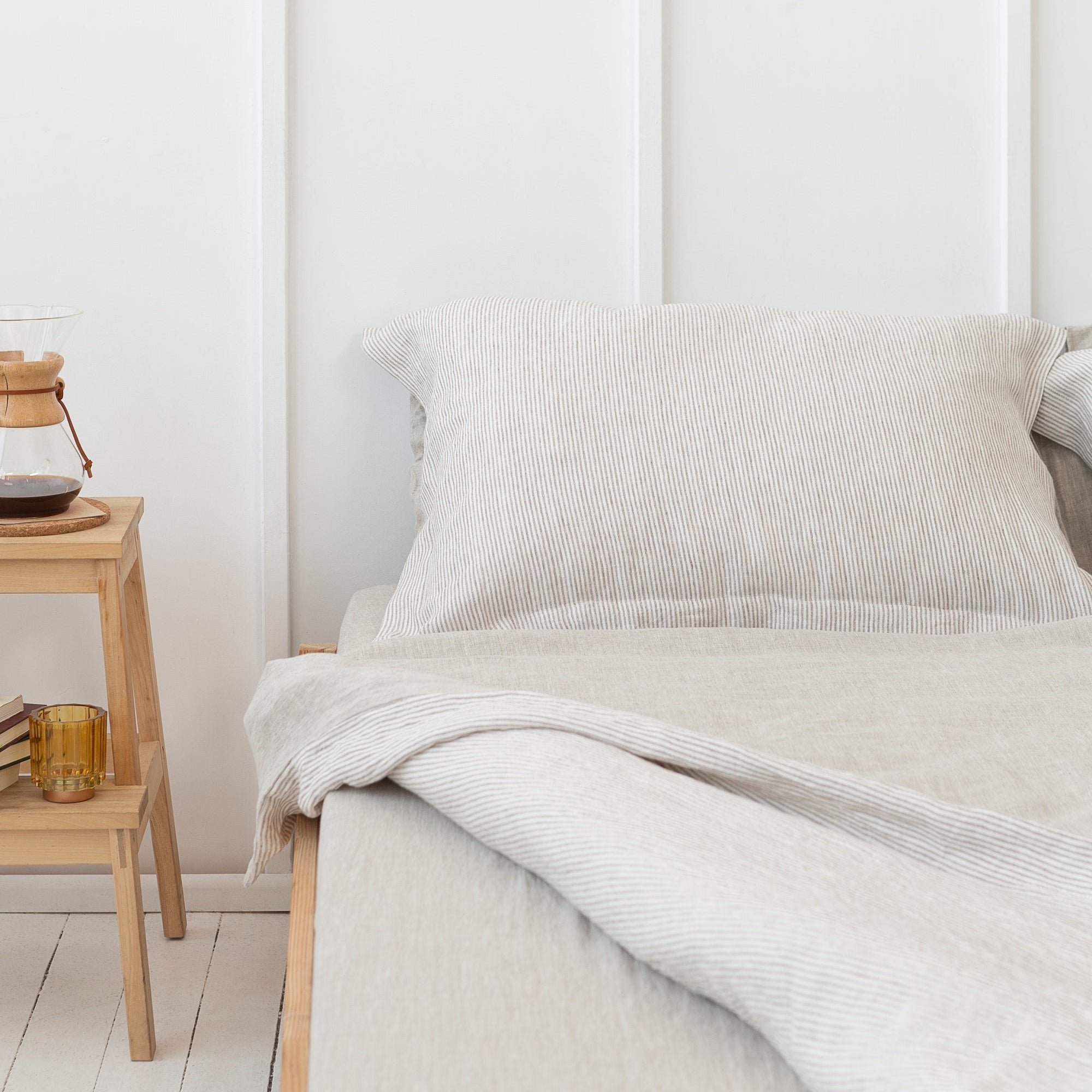
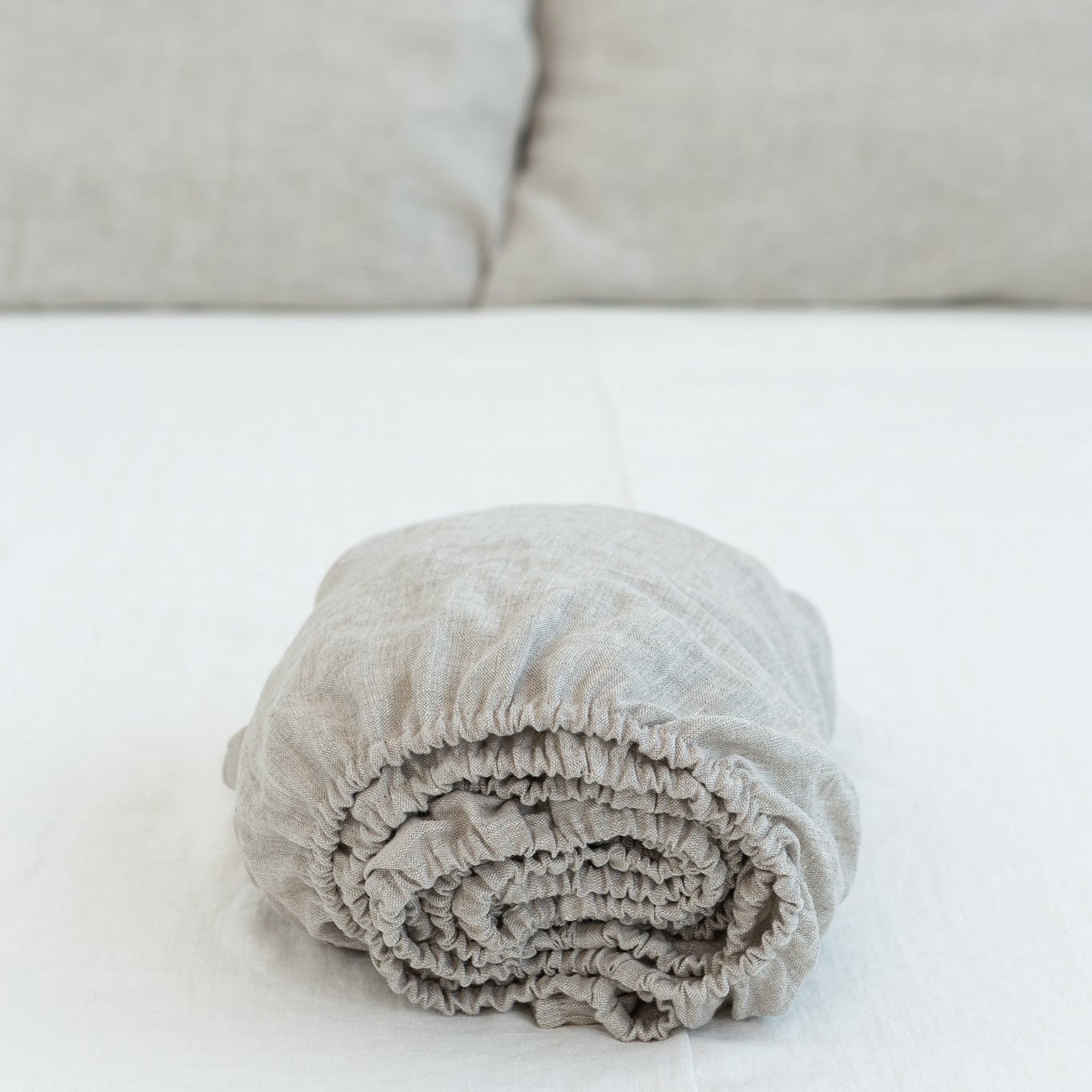
The bed is the primary architectural anchor of the room, and the selection of the Eyla Natural Light & Striped Beige Double Sided Linen Bedding Set was fundamental to the design reasoning. We chose this handmade European linen for its raw, organic character and its ability to regulate temperature, a critical factor for How to Design a Bedroom That Actually Improves Sleep. The reversible nature of the linen allows for a subtle shift in the room’s rhythm without introducing new colors. We utilized the semi-sheer 200 g/m² density to catch the morning light, ensuring the bed looks as tactile as it feels.

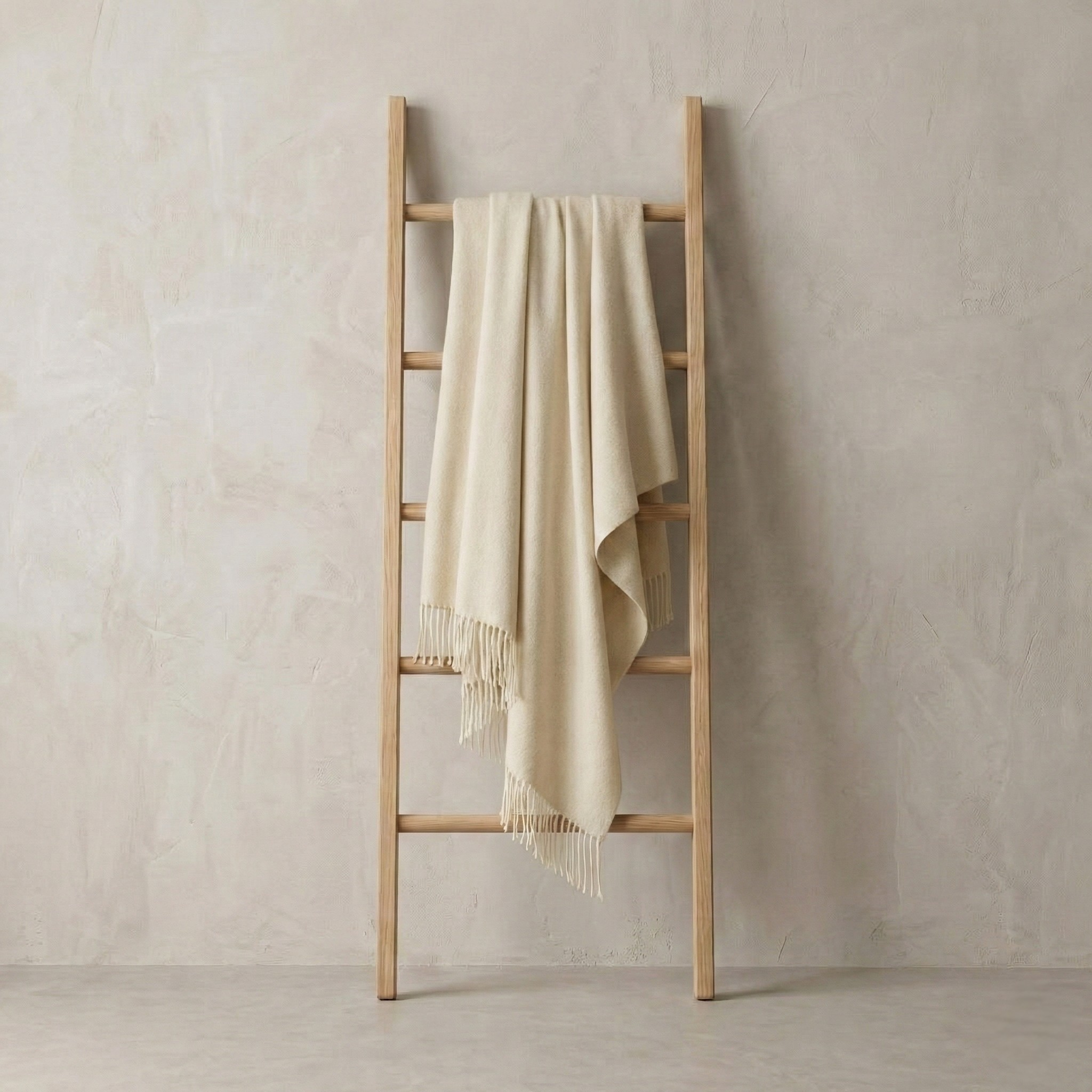
To solve the problem of visual weight at the foot of the bed, we layered the Filo Cashmere/Merino Wool Throw Blanket in Ivory. The blend of cashmere and superfine merino wool provides a necessary contrast to the crispness of the linen. In our Cashmere vs Linen: A Year Round Guide to Comfort at Home, we discuss how these two materials work in tandem to provide a balanced sensory experience. The fringed detail and soft weave of the Filo throw soften the architectural lines of the bed frame, reinforcing the human and lived in atmosphere of the residence.
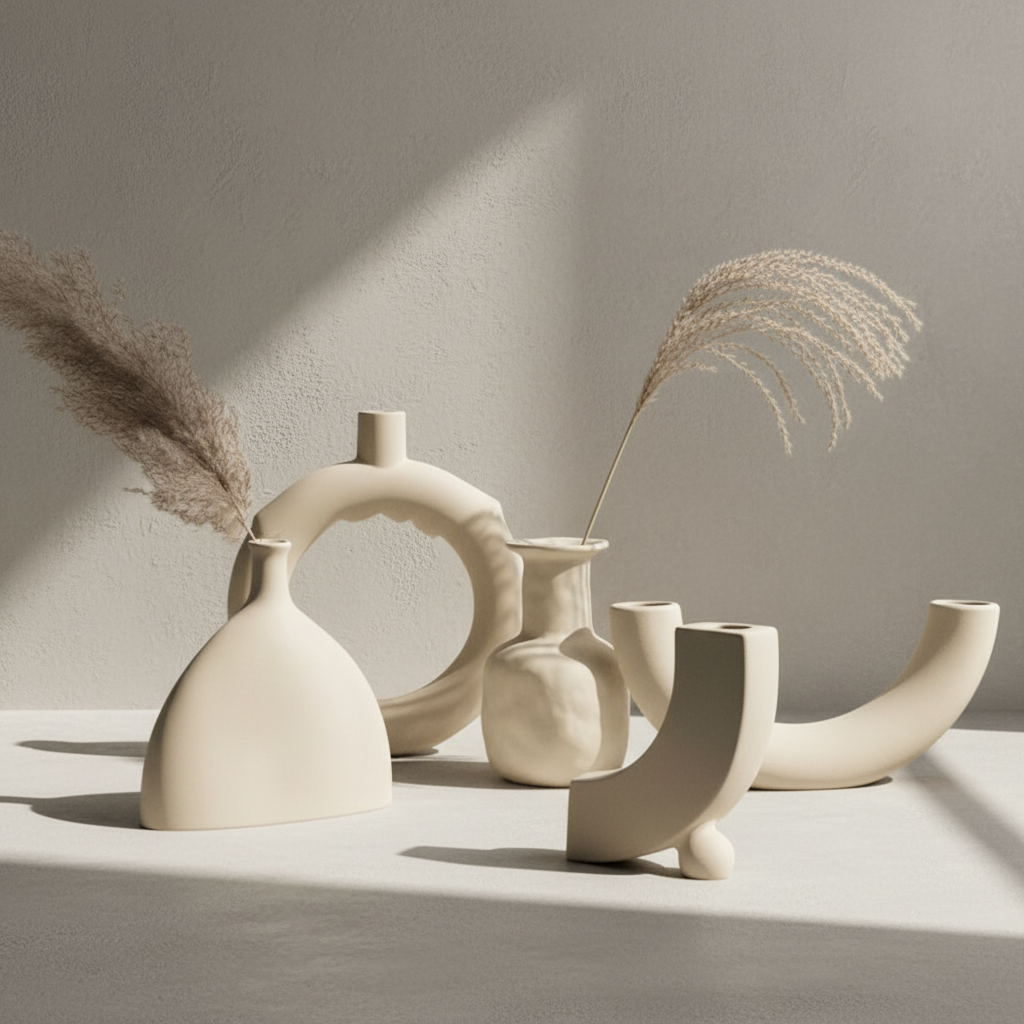
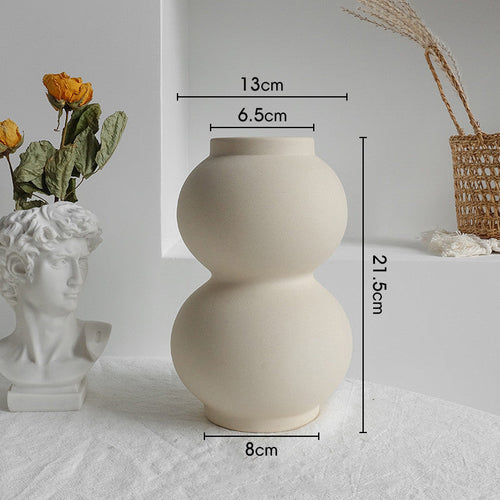
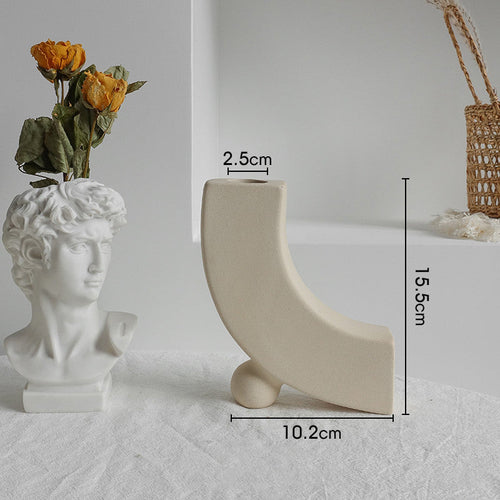
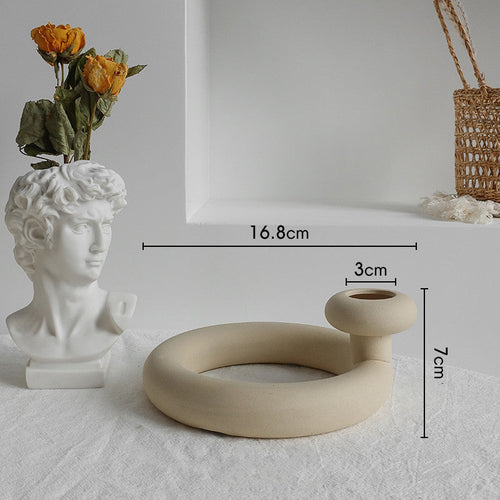
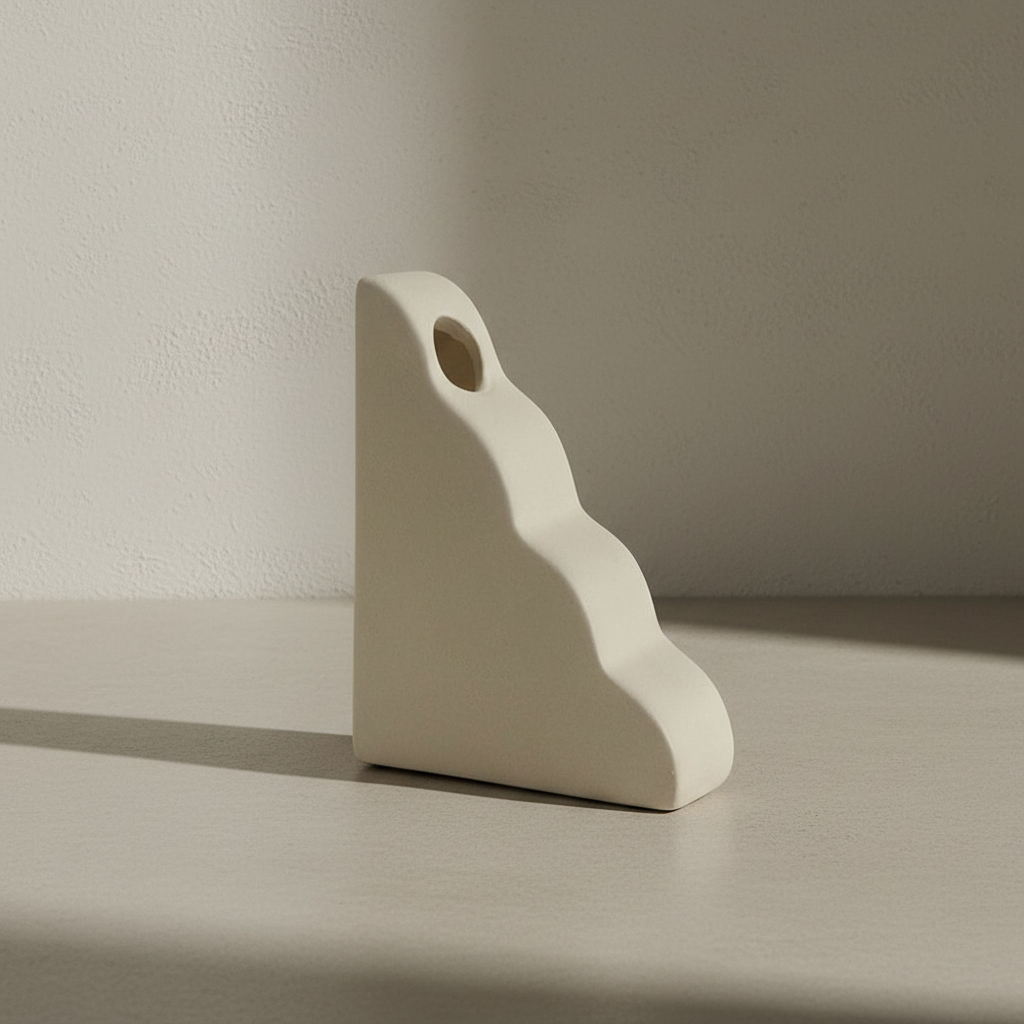
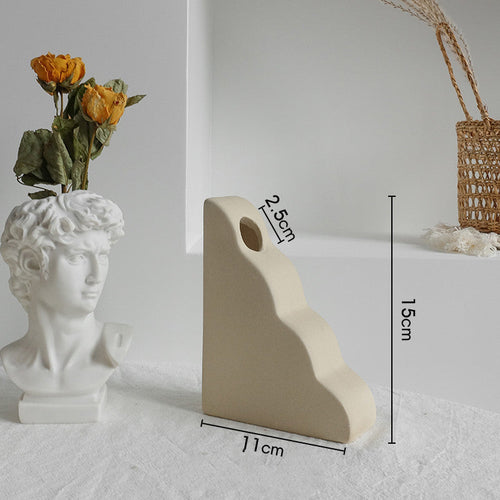
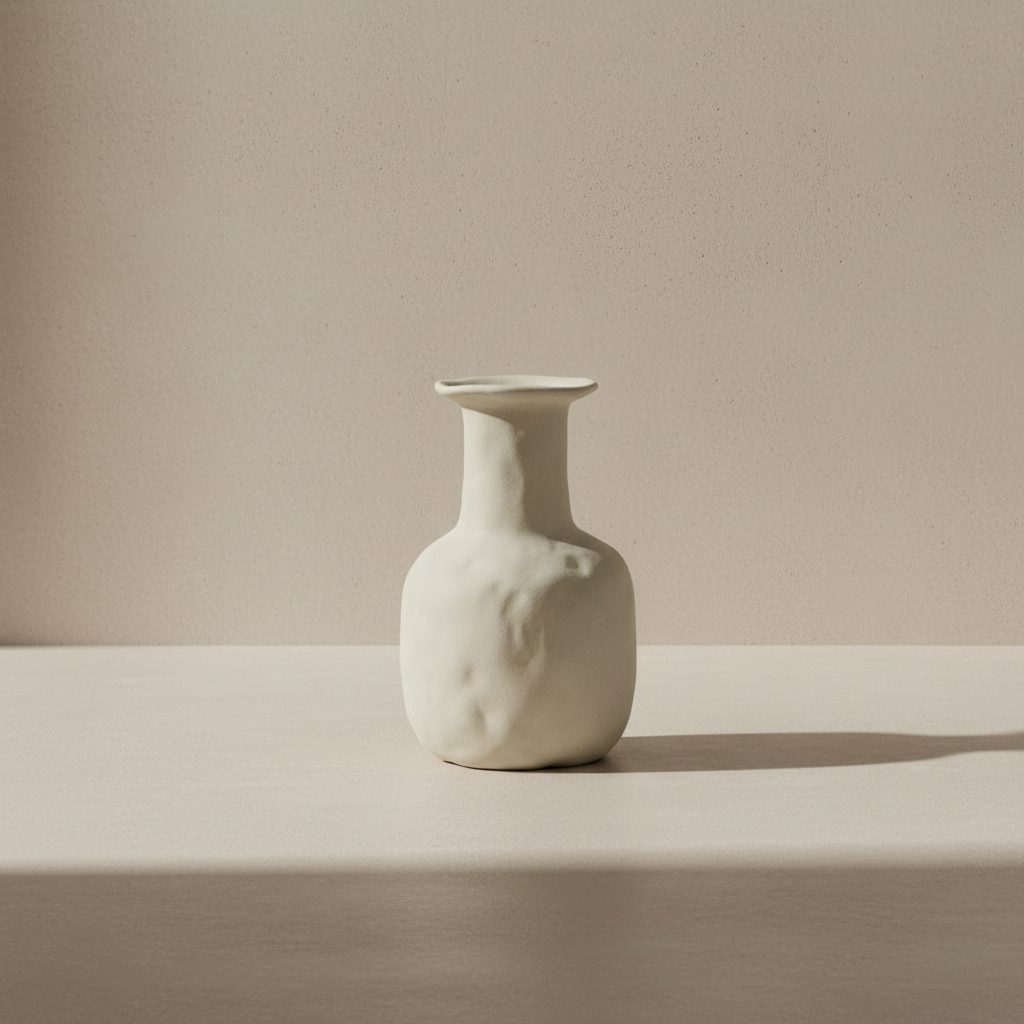
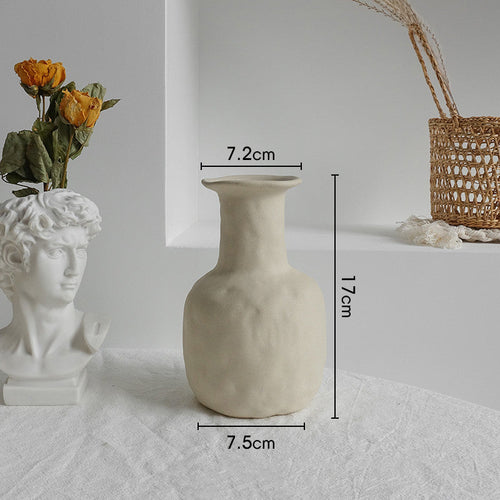
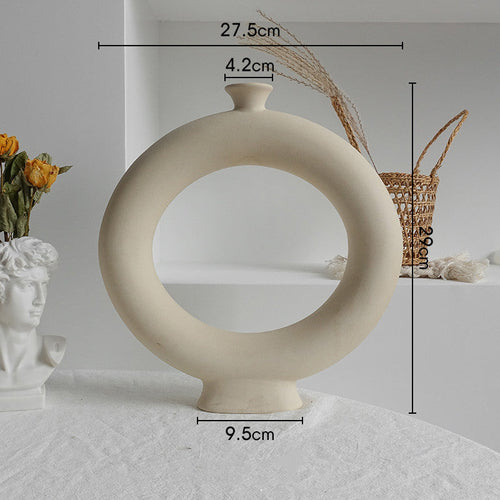
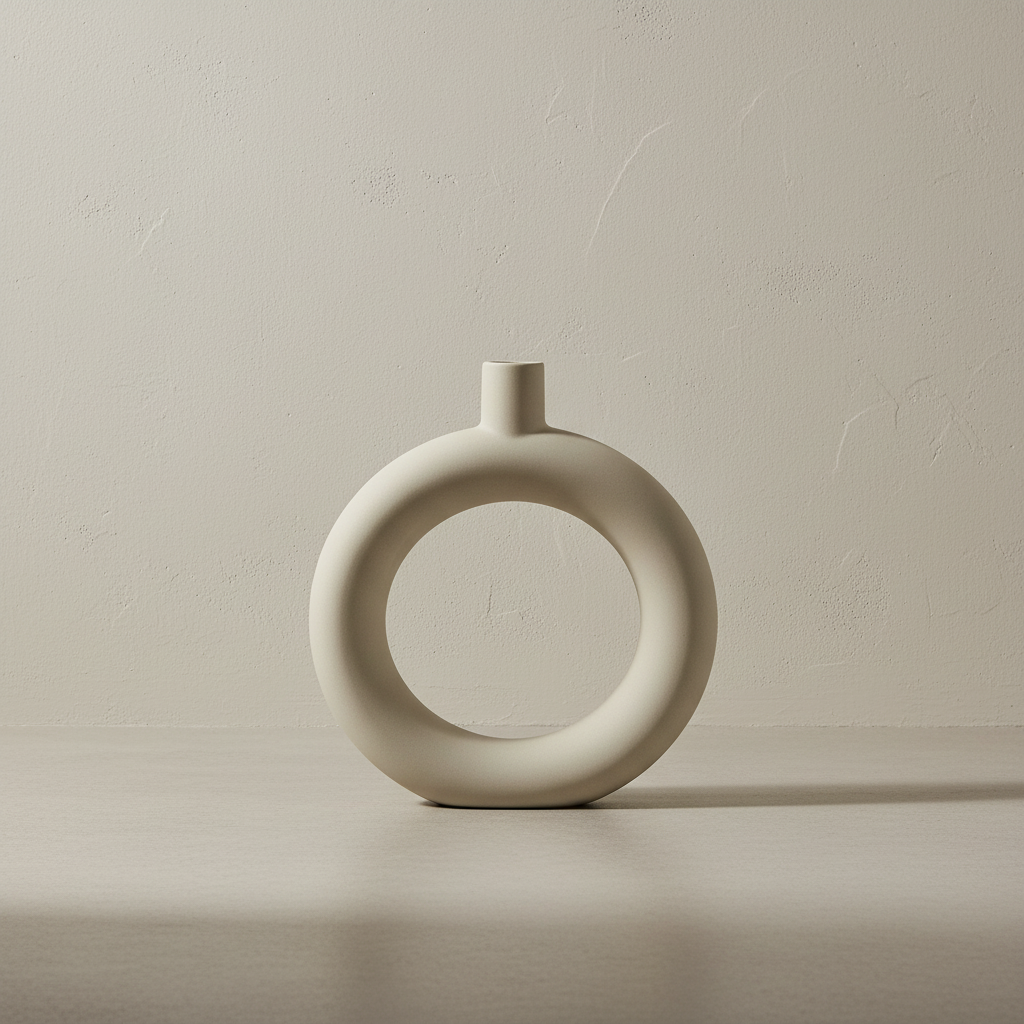
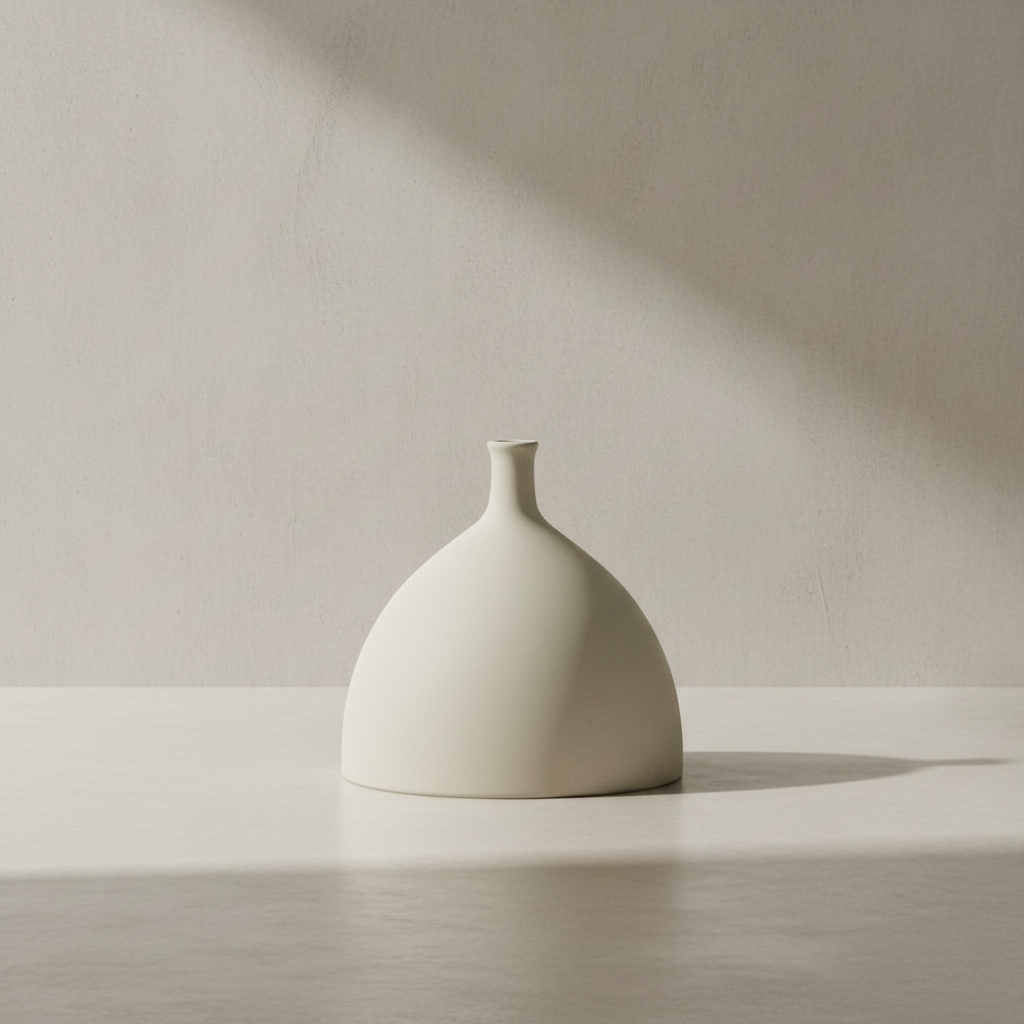
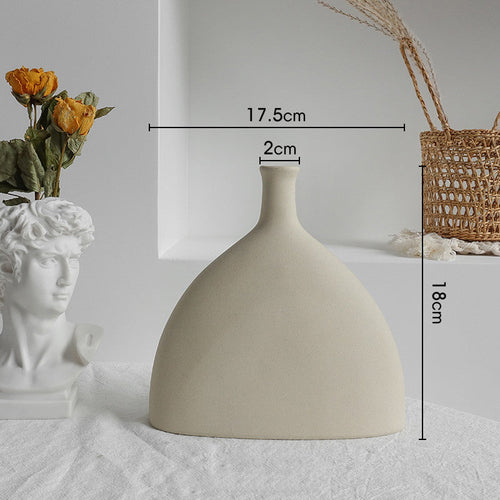
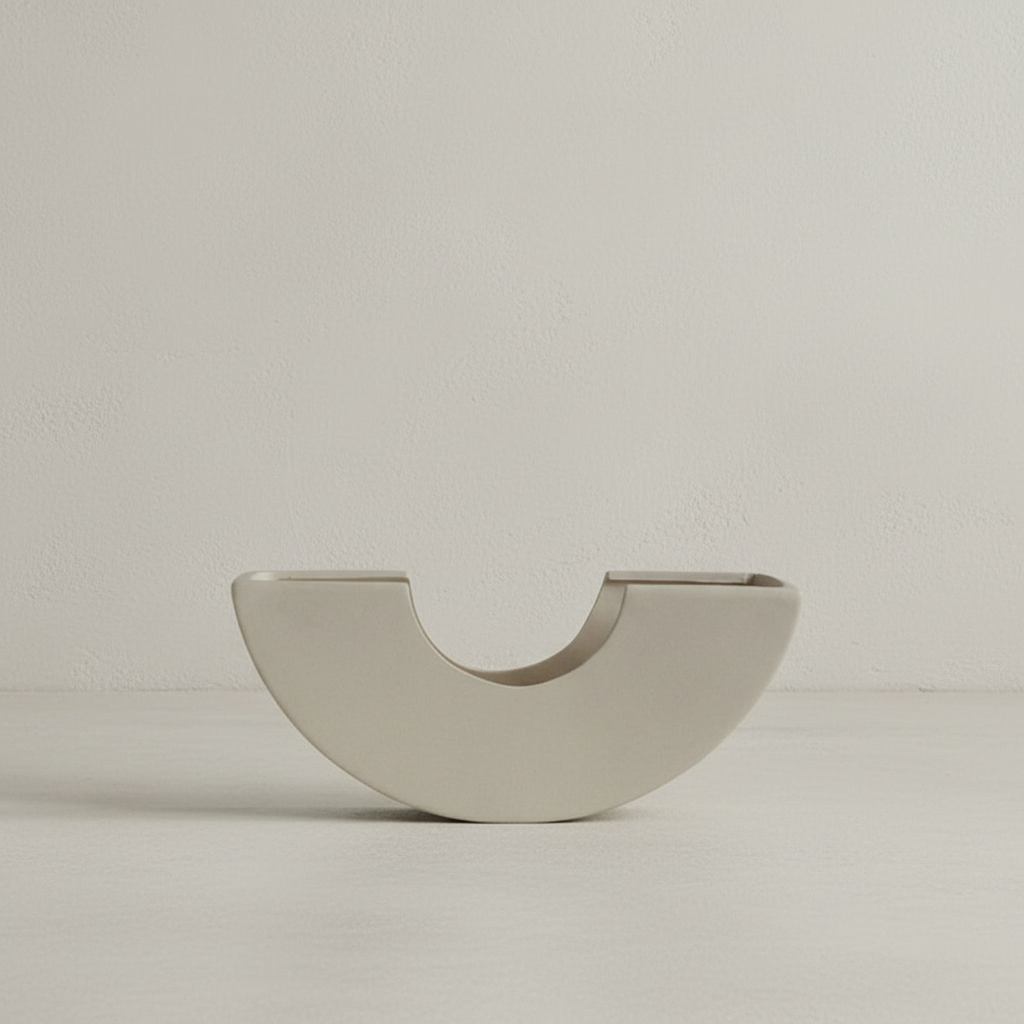
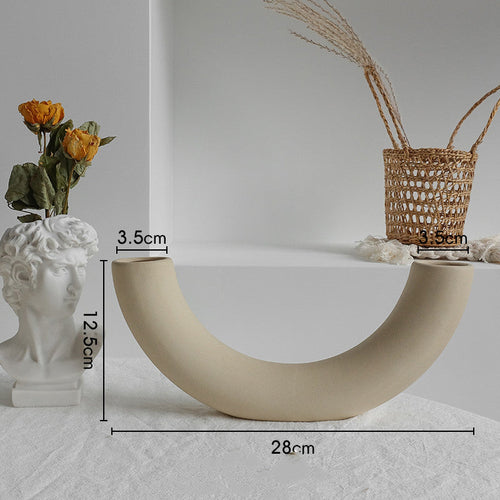
Styling in the bedroom remains minimal to ensure the mind can rest. We placed a selection of the Velle Nordic Ceramic Vases on the bedside surfaces, following the principles of 10 Essentials for a Nordic Inspired Home Interior. These pieces provide a subtle, matte silhouette against the plaster walls, offering a moment of quiet geometry that feels permanent and secure. Large scale textured art above the headboard mirrors the movement of the bedding, ensuring the entire room feels like a single, cohesive composition.
The Bathroom: Ritual and the Solidity of Stone
The bathroom in the Bellini Residence is designed as a primary site for ritual and the solidity of stone. In this space, the architectural language moves away from the layered textiles of the bedroom and back toward the permanent, heavy materials that define the home’s foundation. The design intention was to create a monolithic environment where the water and light interact with the raw surfaces of the room.

The emotional tone of the bathroom is one of absolute quietude. We achieved this by utilizing a floating travertine vanity that spans the width of the room, creating a strong horizontal line that grounds the space. By opting for a wall mounted faucet in a warm gold finish, we cleared the surface of the stone, allowing the natural veining to remain the focal point. This approach follows the principles of The Zen Palette: Designing a Bathroom That Breathes Calm, where the goal is to reduce visual friction to support a state of mental clarity.
Material selection was driven by a need for durability and a tactile connection to the earth. The large format tiles on the floor and walls create a seamless envelope, making the room feel like it was carved from a single block of stone. This sense of permanence is essential when considering The Perfect Match: Choosing a Bathroom Vanity for Your Design Style, as the vanity must feel like a structural extension of the architecture rather than an added piece of furniture. To soften these hard surfaces, we utilized integrated LED lighting behind the mirror and along the base of the vanity, casting a soft, rhythmic glow that highlights the texture of the plaster walls.

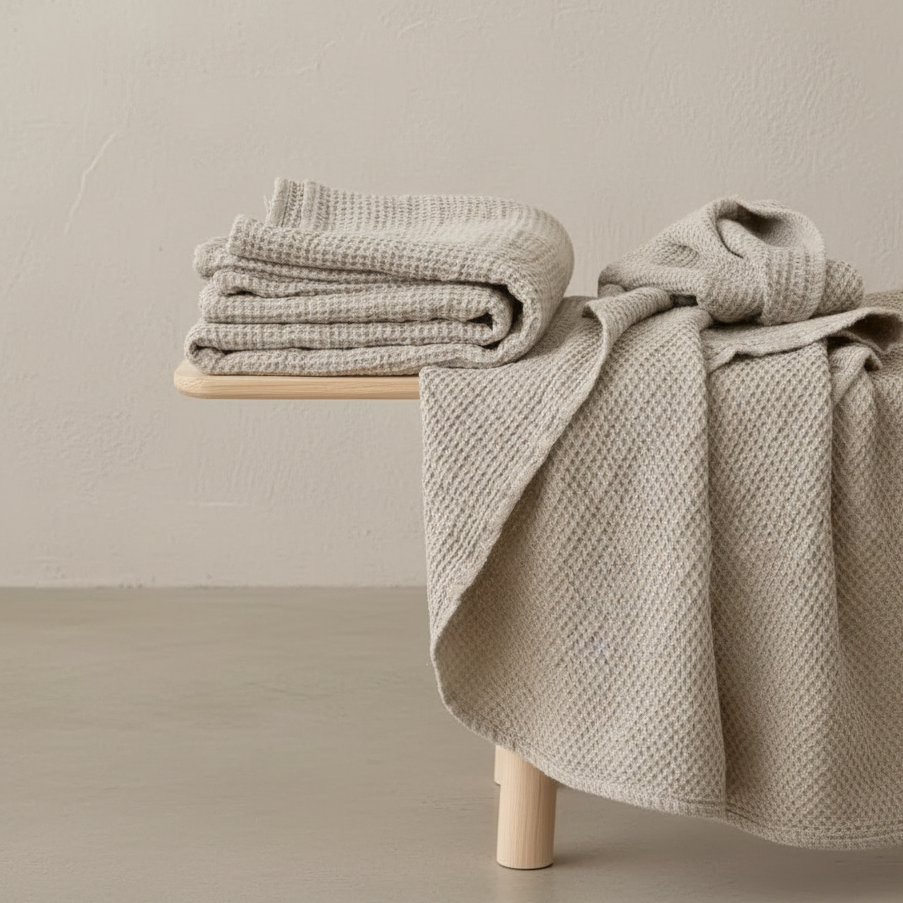
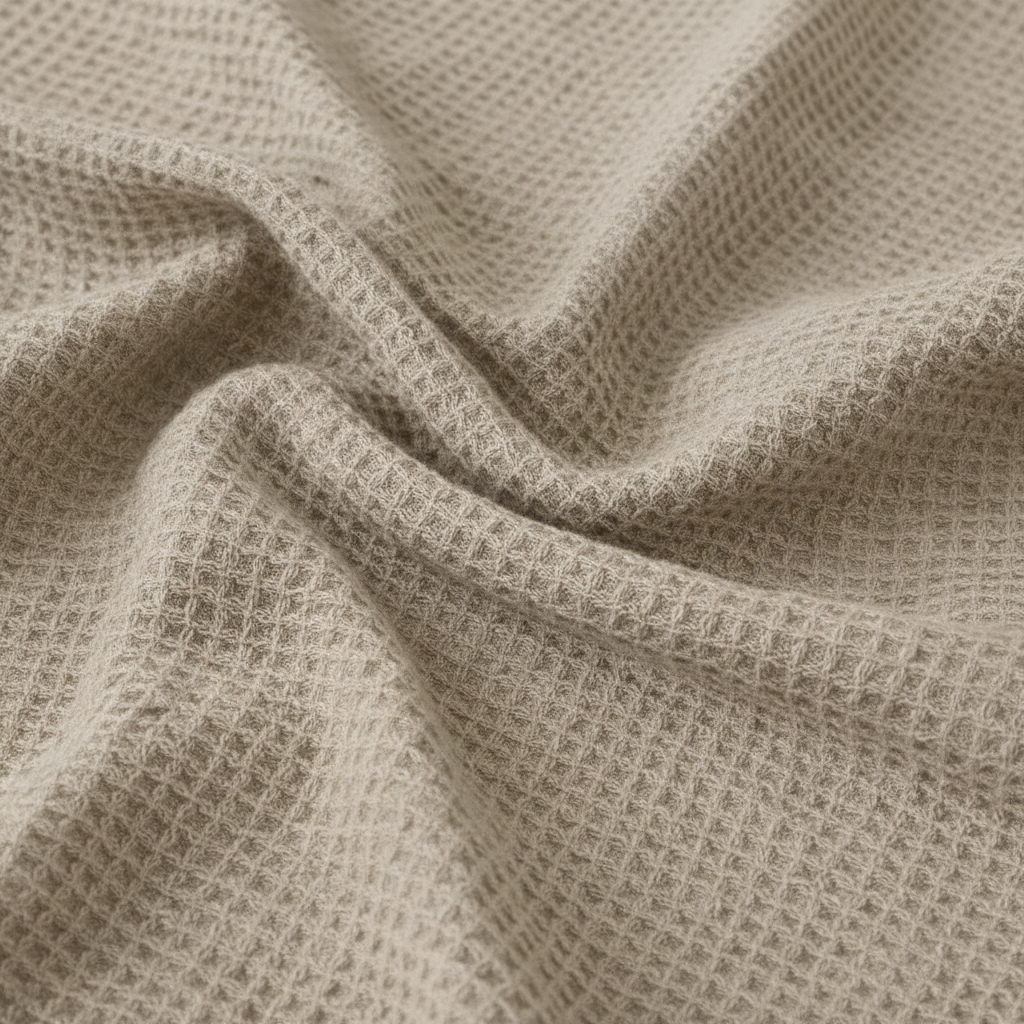
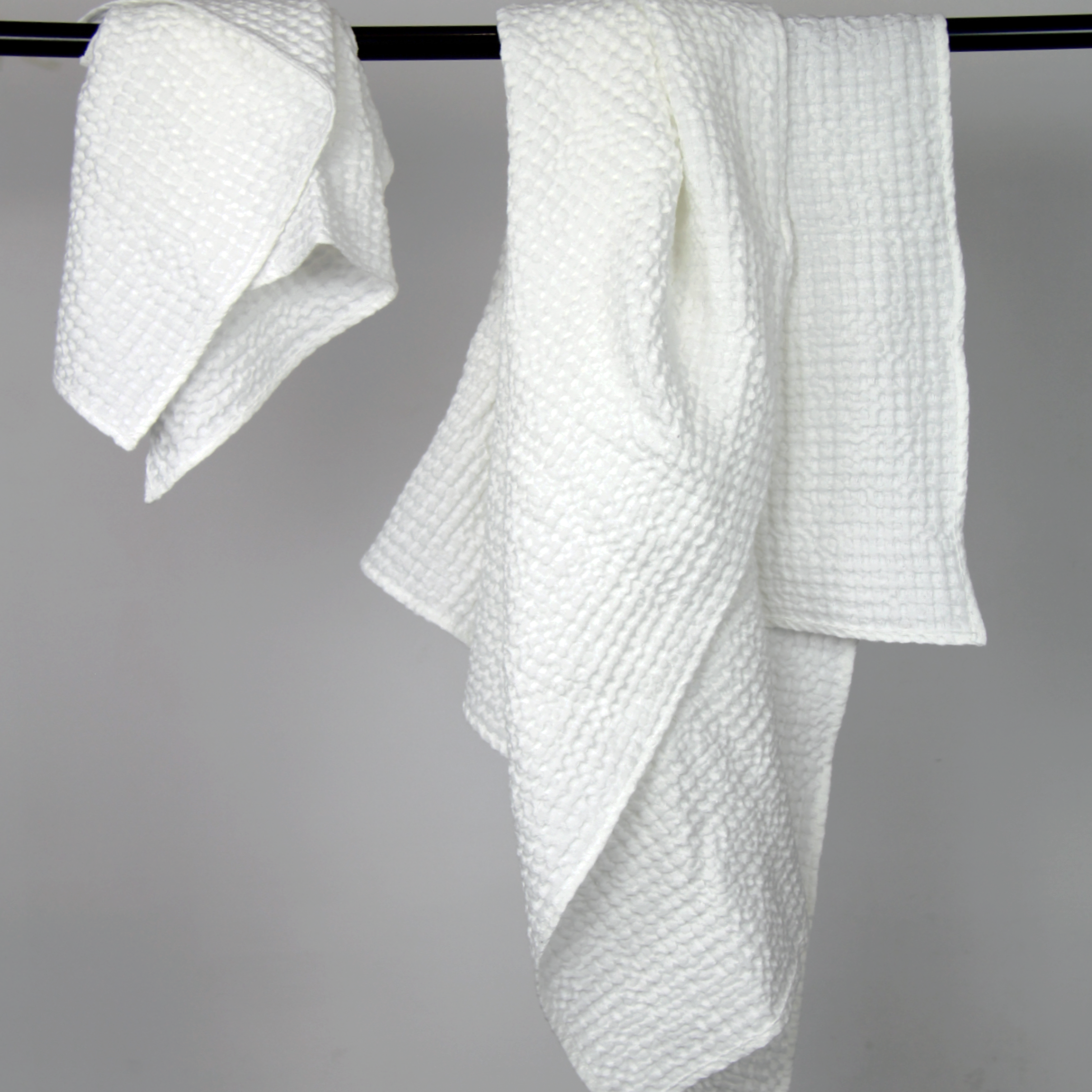
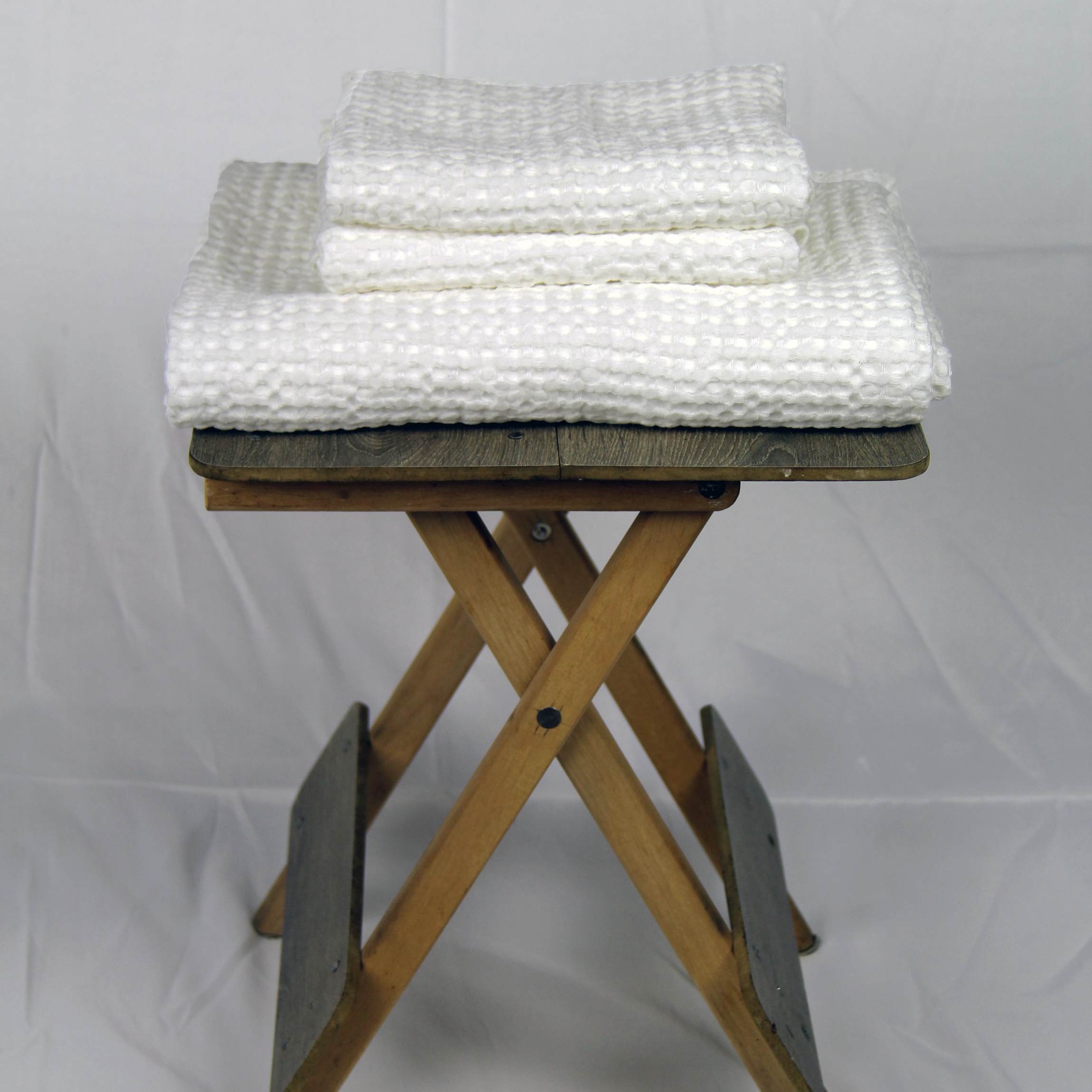
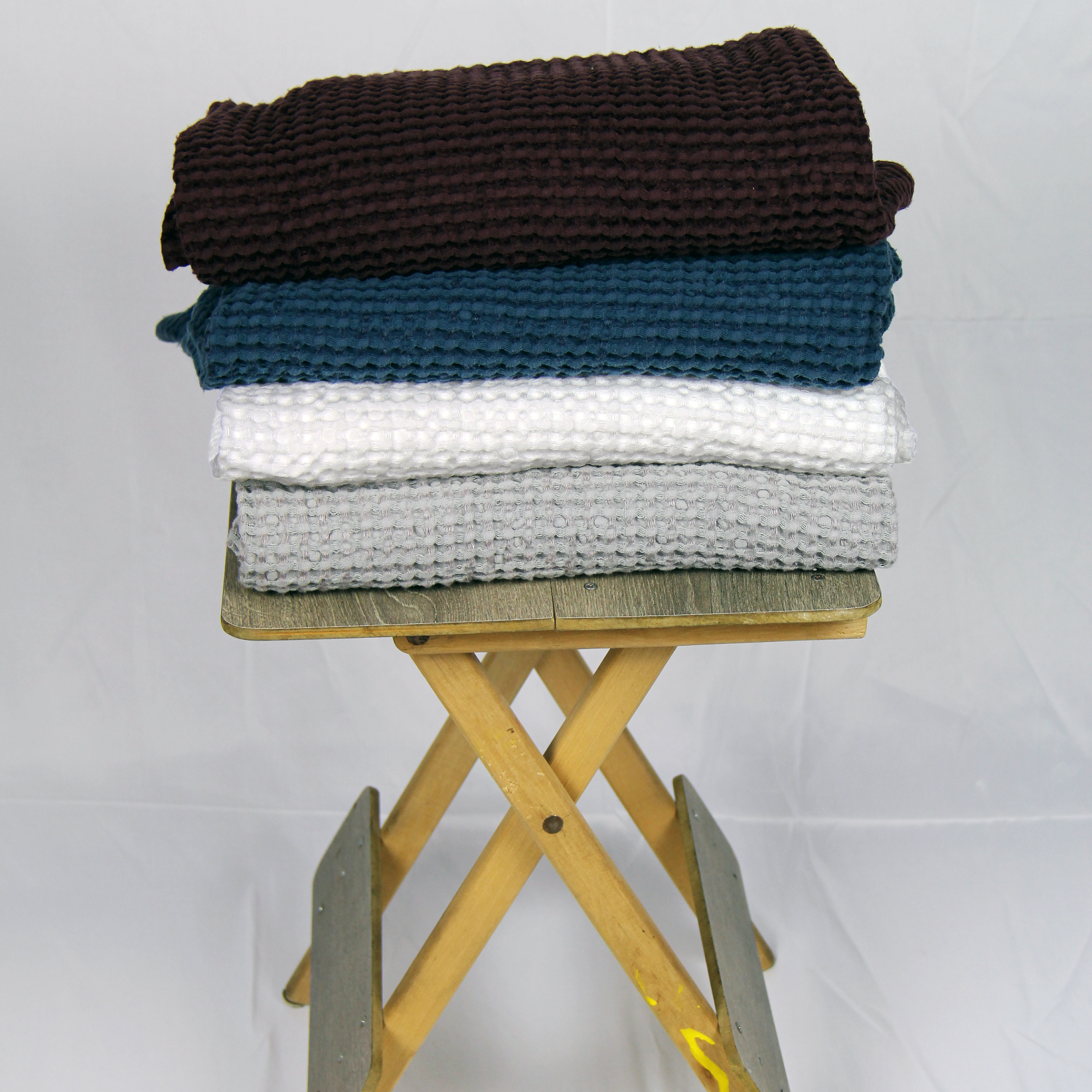
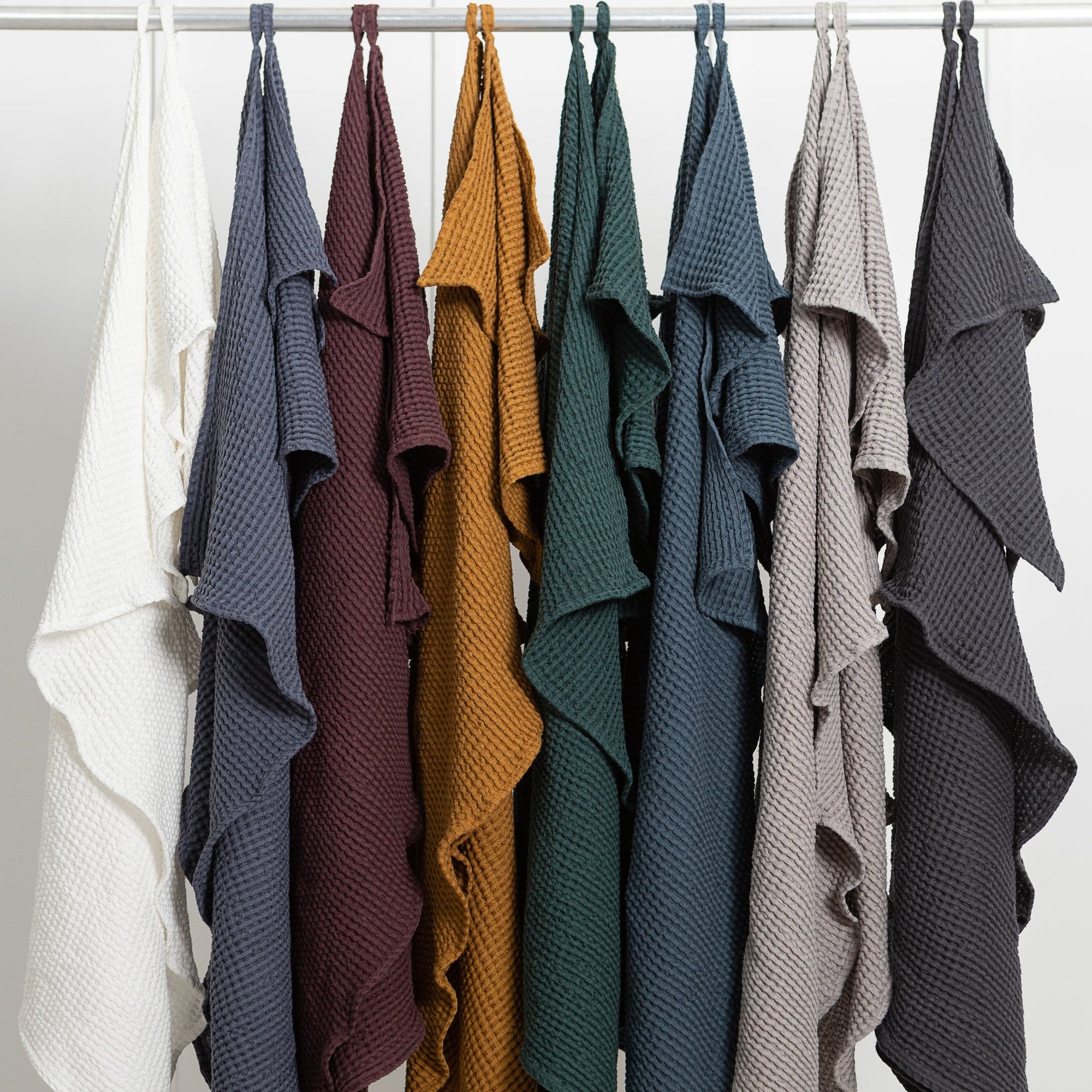
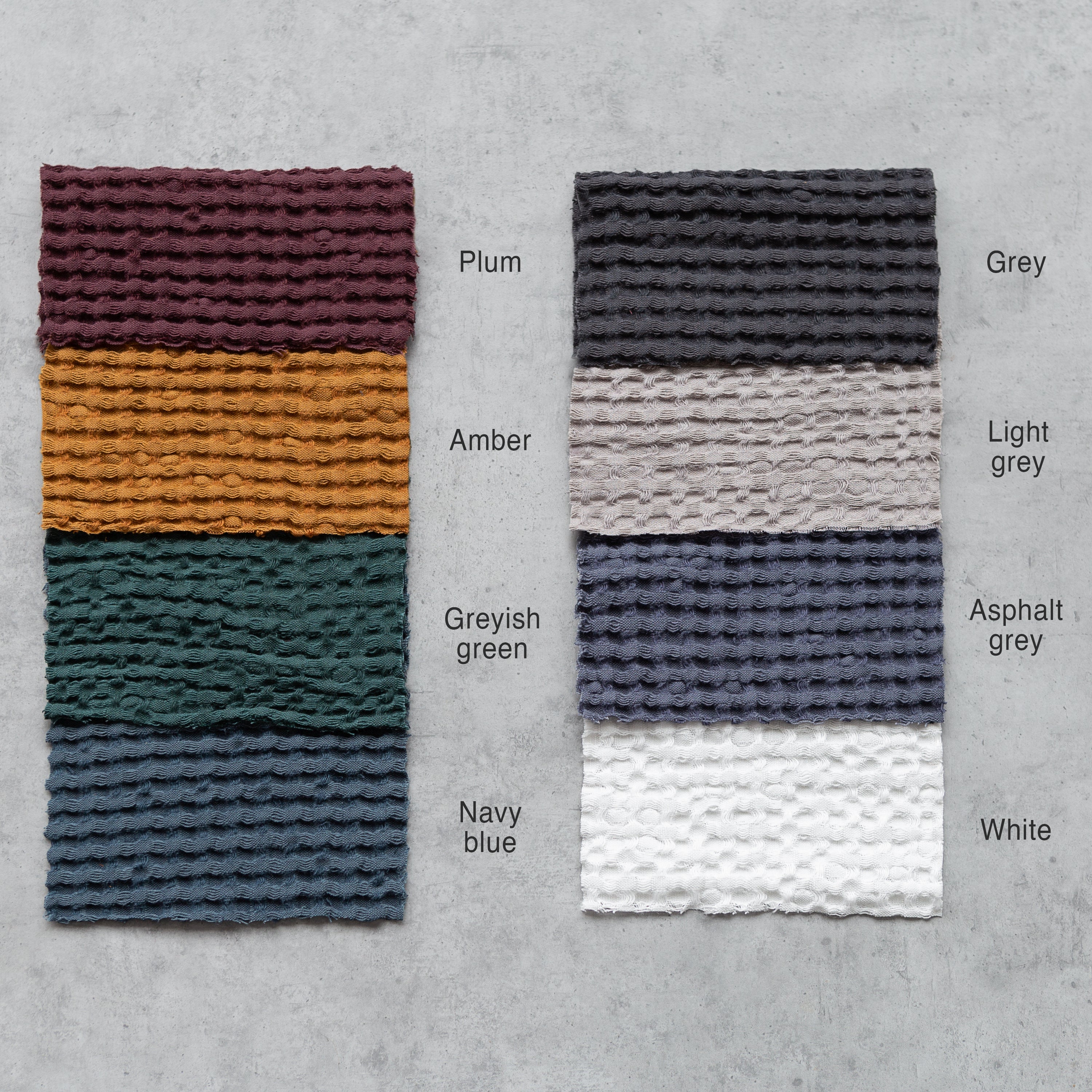
To solve the design problem of introducing softness into a room defined by stone and glass, we selected the Isle Linen Waffle Bath & Hand Towel Sets in Natural and White. The classic waffle weave provides a necessary geometric texture that contrasts with the smooth travertine. We chose a blend of European linen and cotton for these pieces because the material offers high absorbency and a quick drying performance, which is vital for maintaining a fresh environment in a high moisture space. These towels are not merely functional; they are the primary textile layer that brings a human, handmade quality to the clinical environment, a core step in The Minimalist Guide to Building a Timeless Bath Towel Collection.
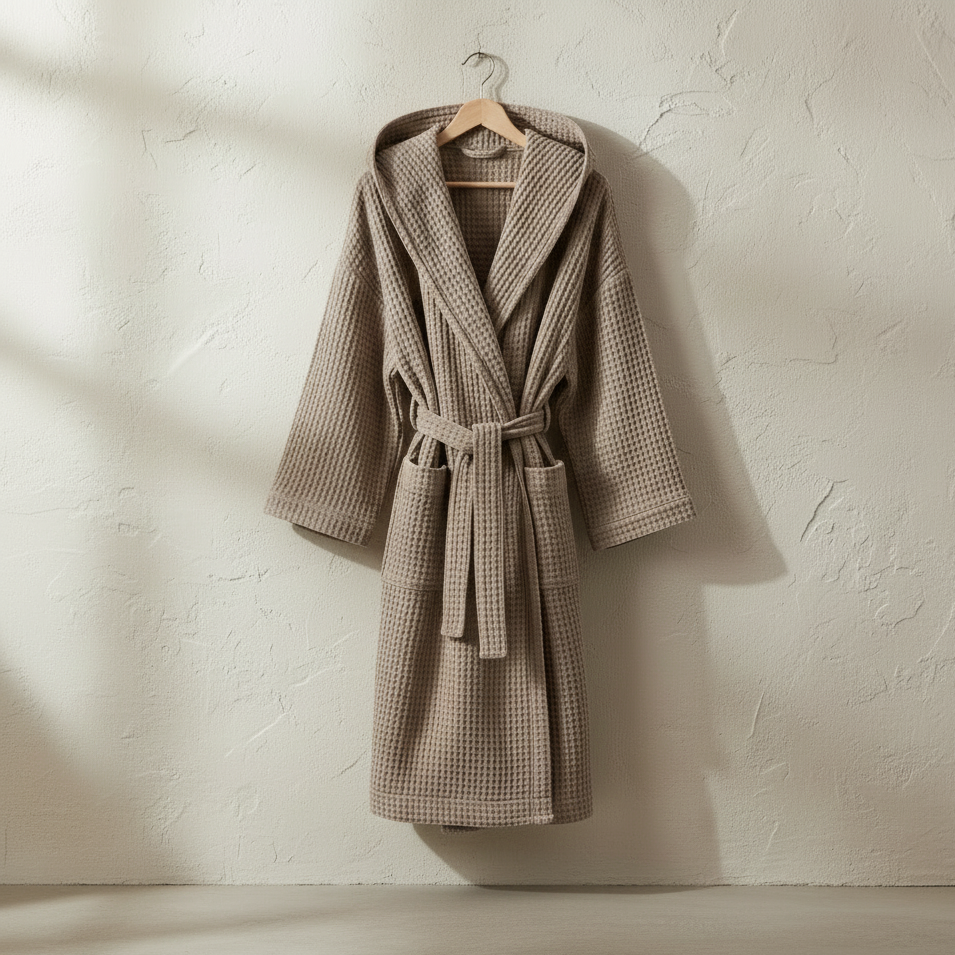
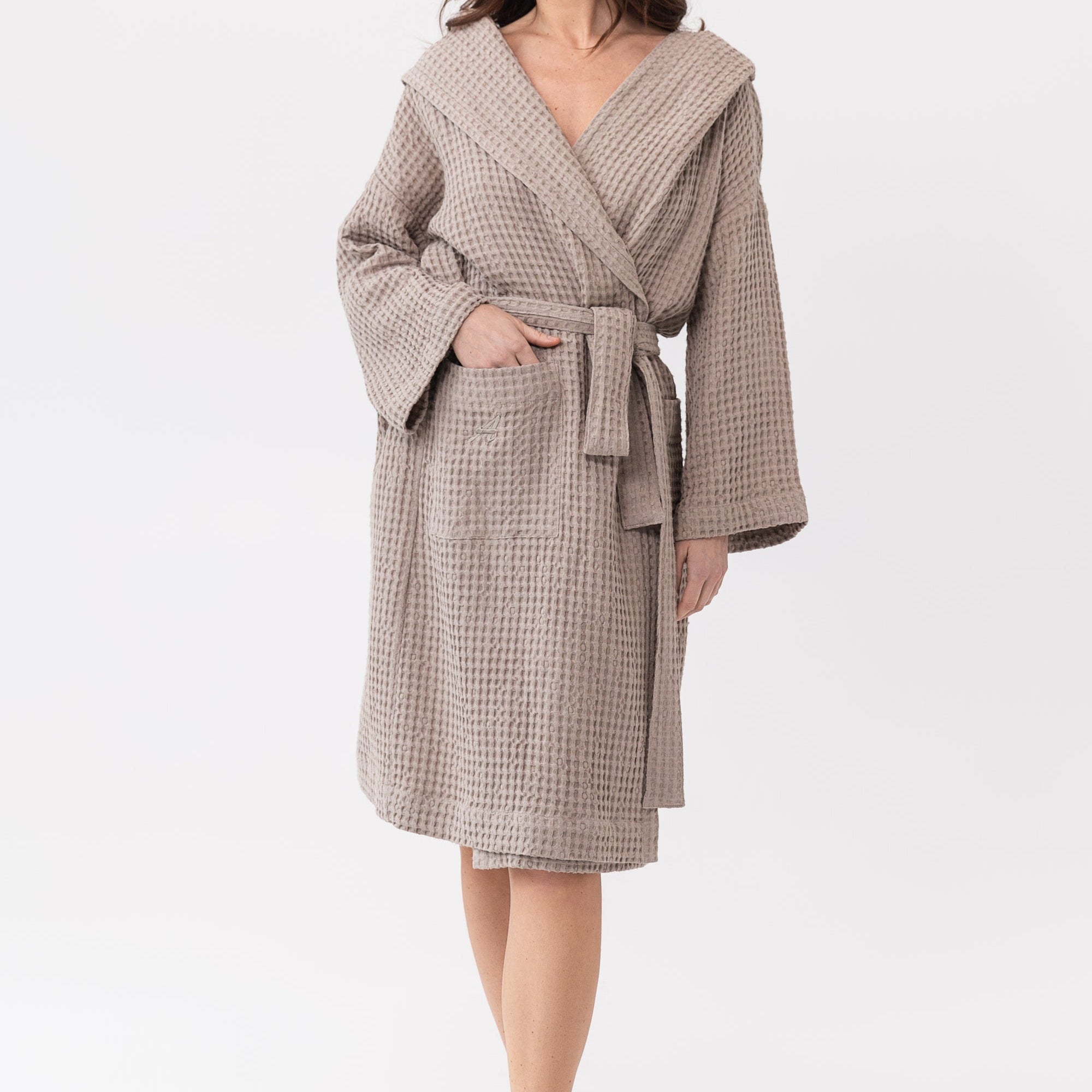
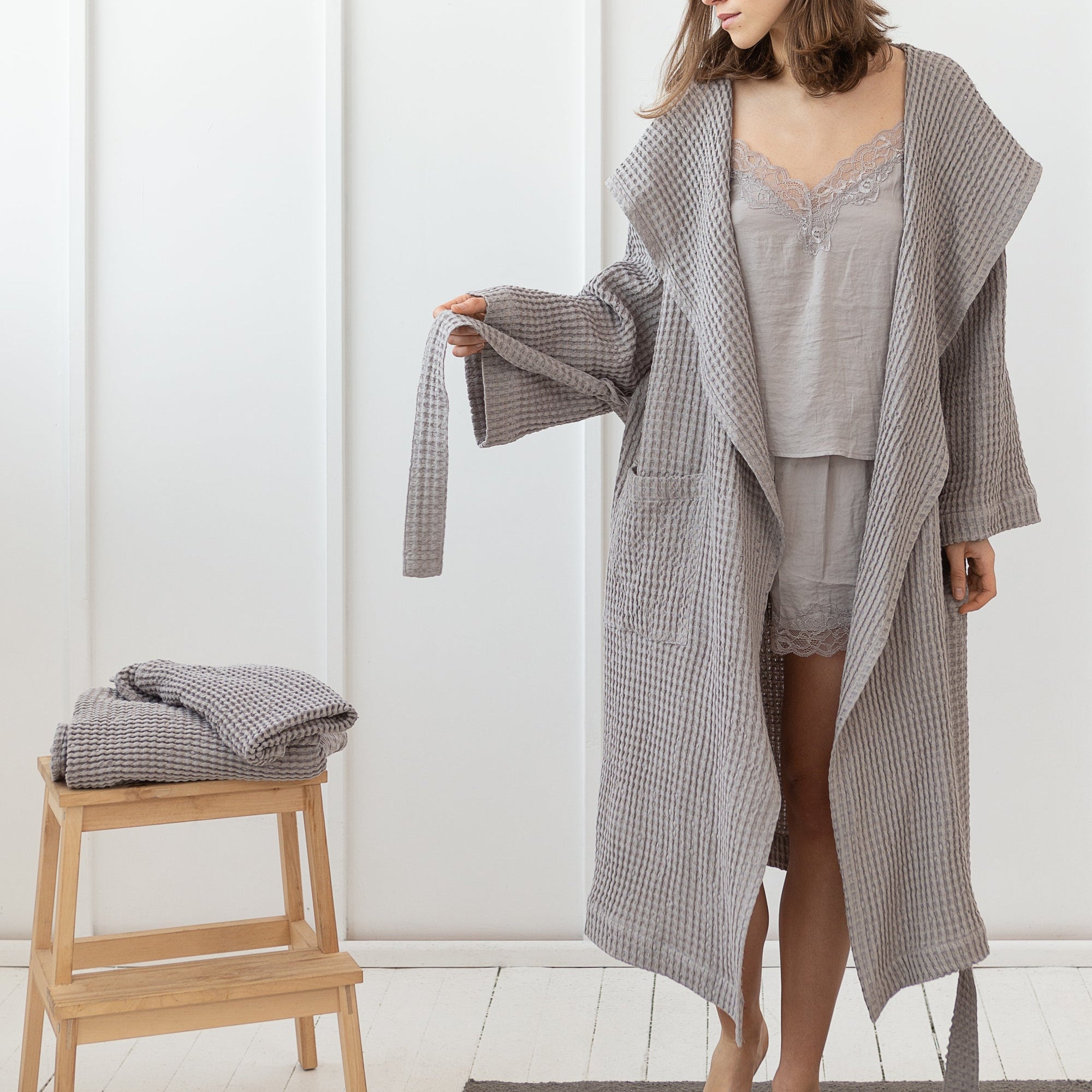
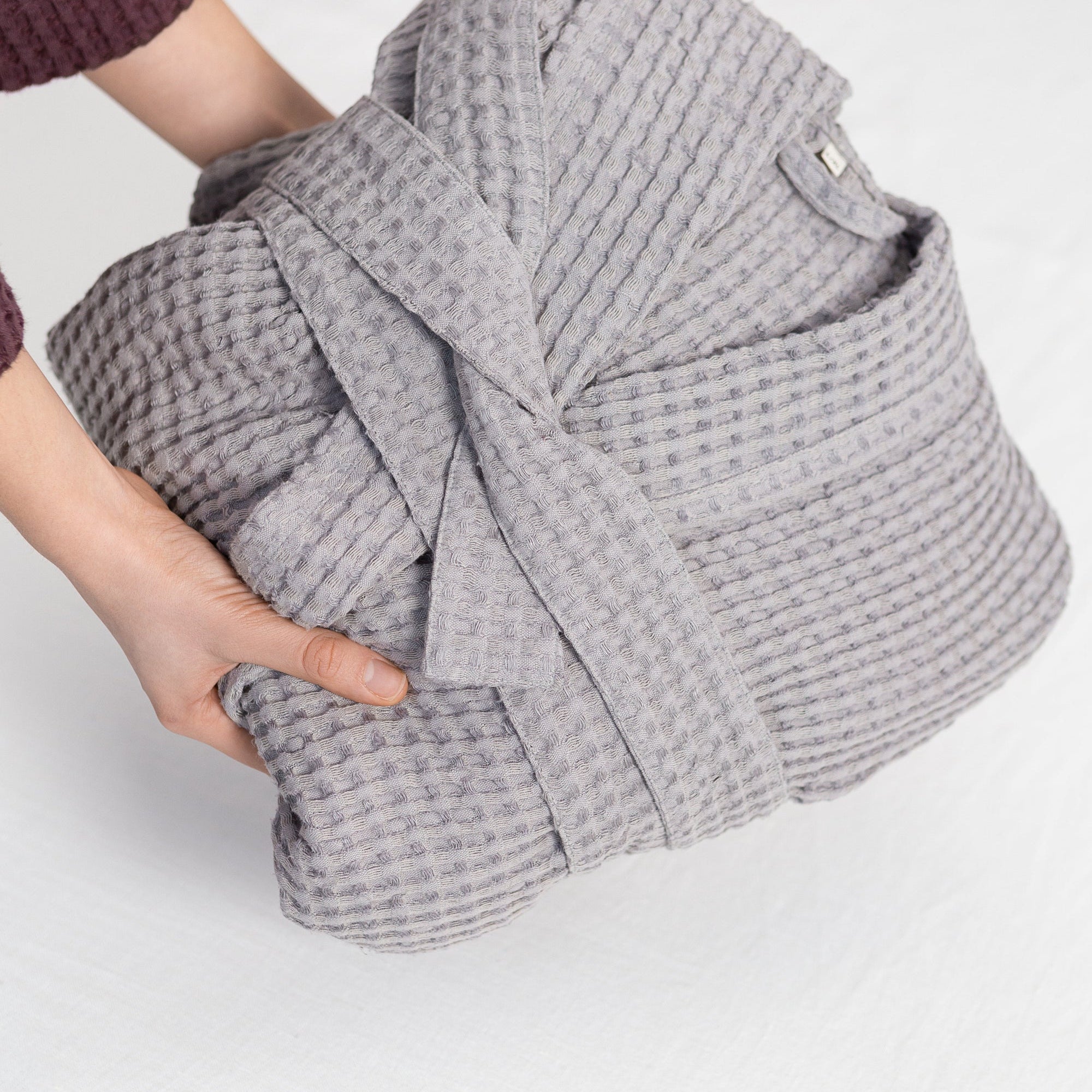
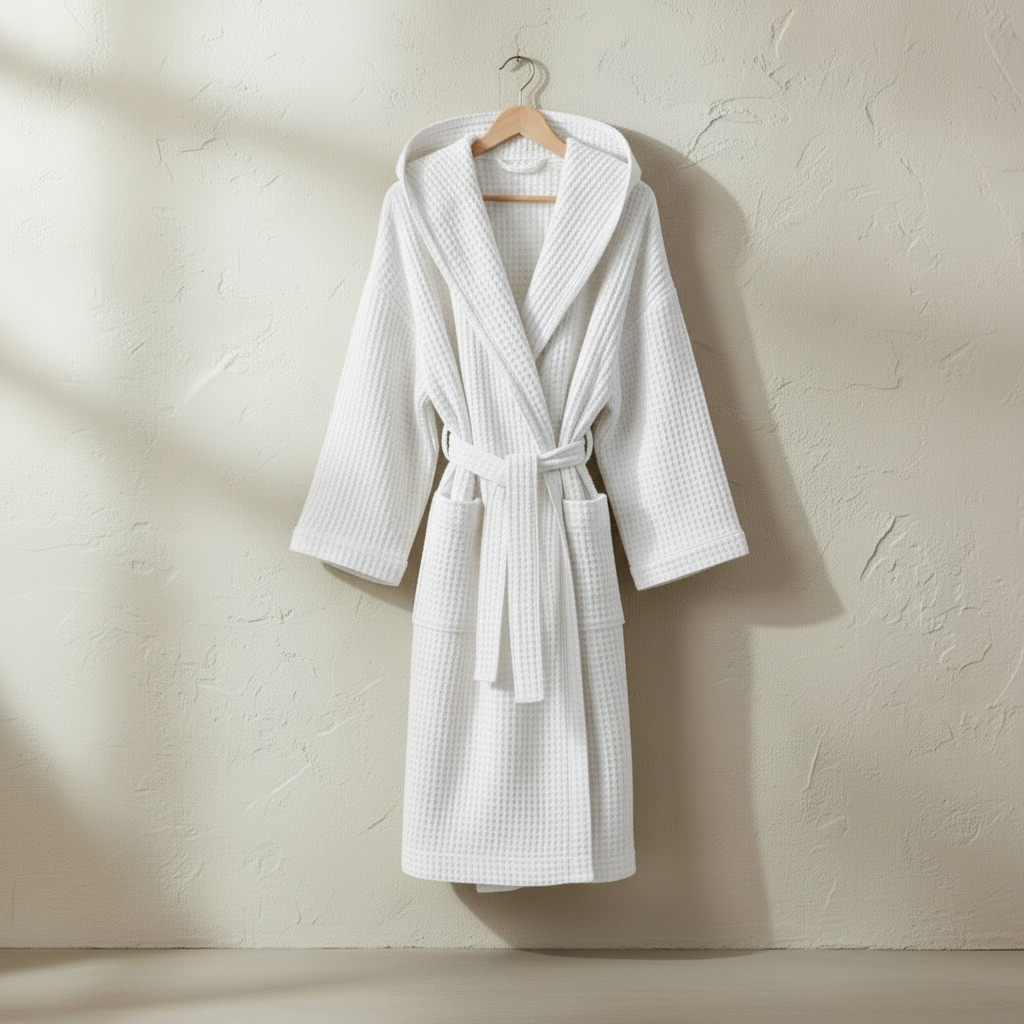
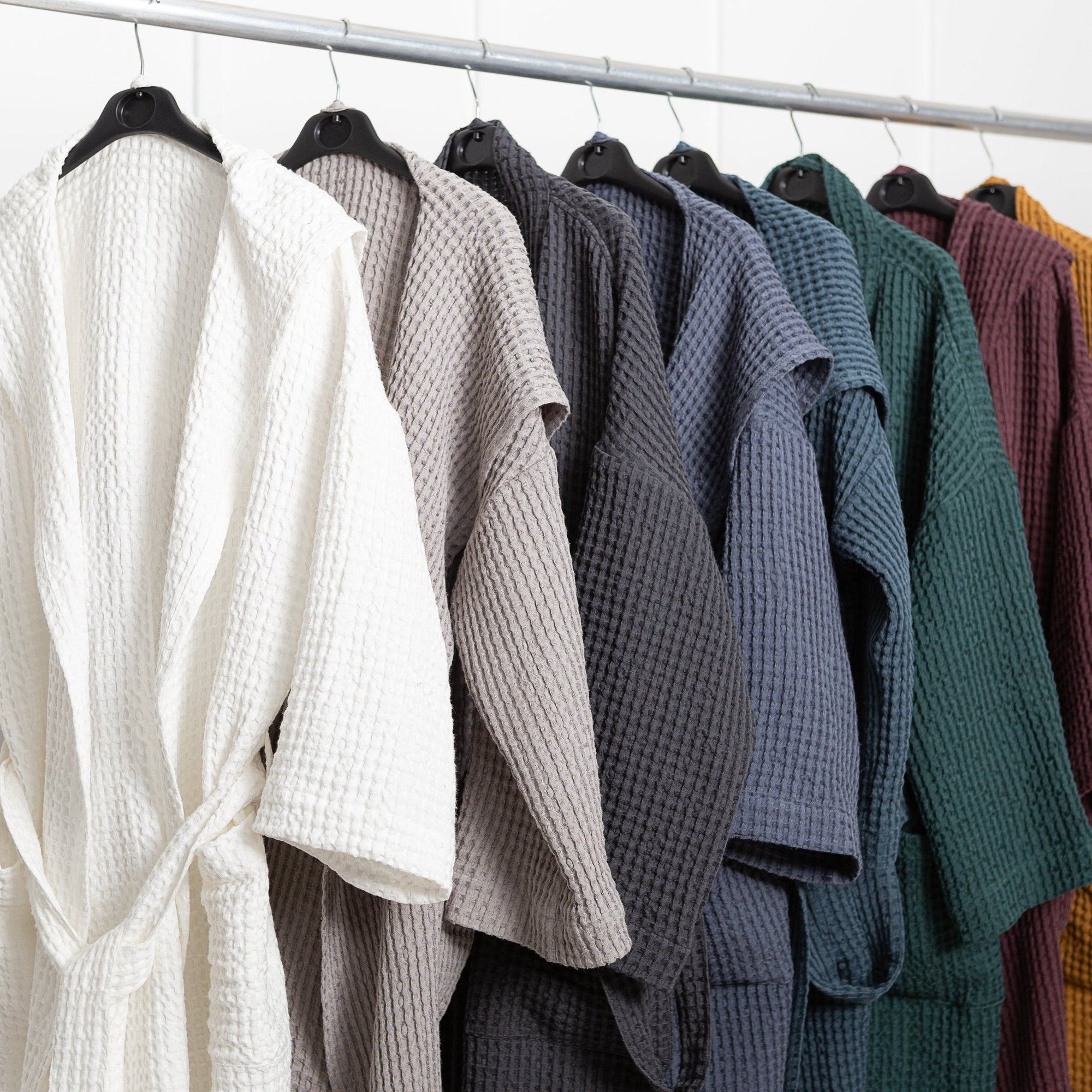
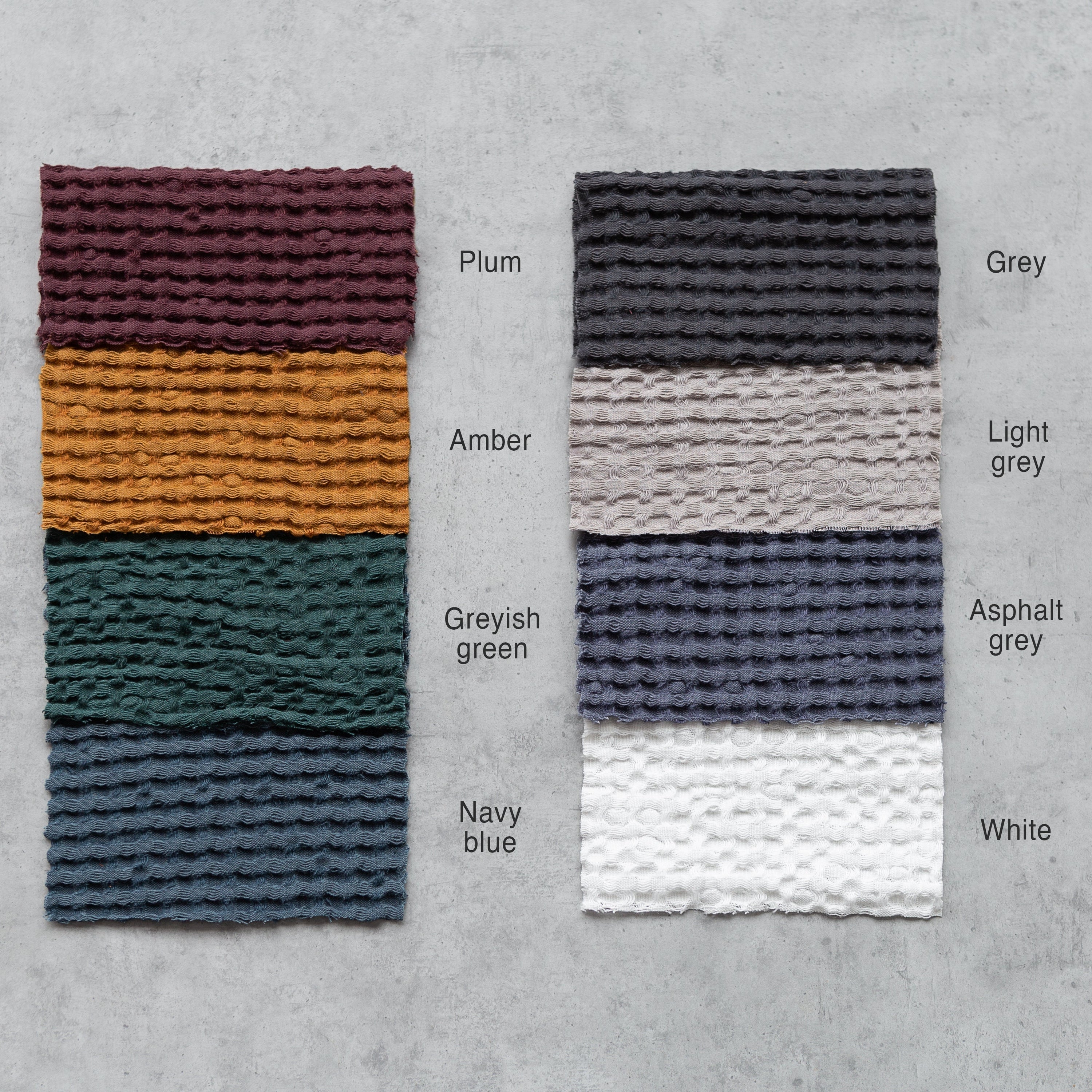
We extended this focus on personal ritual by including the Zen Linen Waffle Bath Robe with Hoodie in White. Hanging prominently in the space, the robe’s puffy waffle texture and wide hoodie provide a visual promise of comfort. The linen blend ensures the garment remains breathable and lightweight, developing a unique character with each use. By coordinating the texture of the robe with the towel sets, we created a cohesive sensory experience that reinforces the residence’s commitment to intentional living and natural materials.
The Outdoor Patio: Extending the Interior Envelope
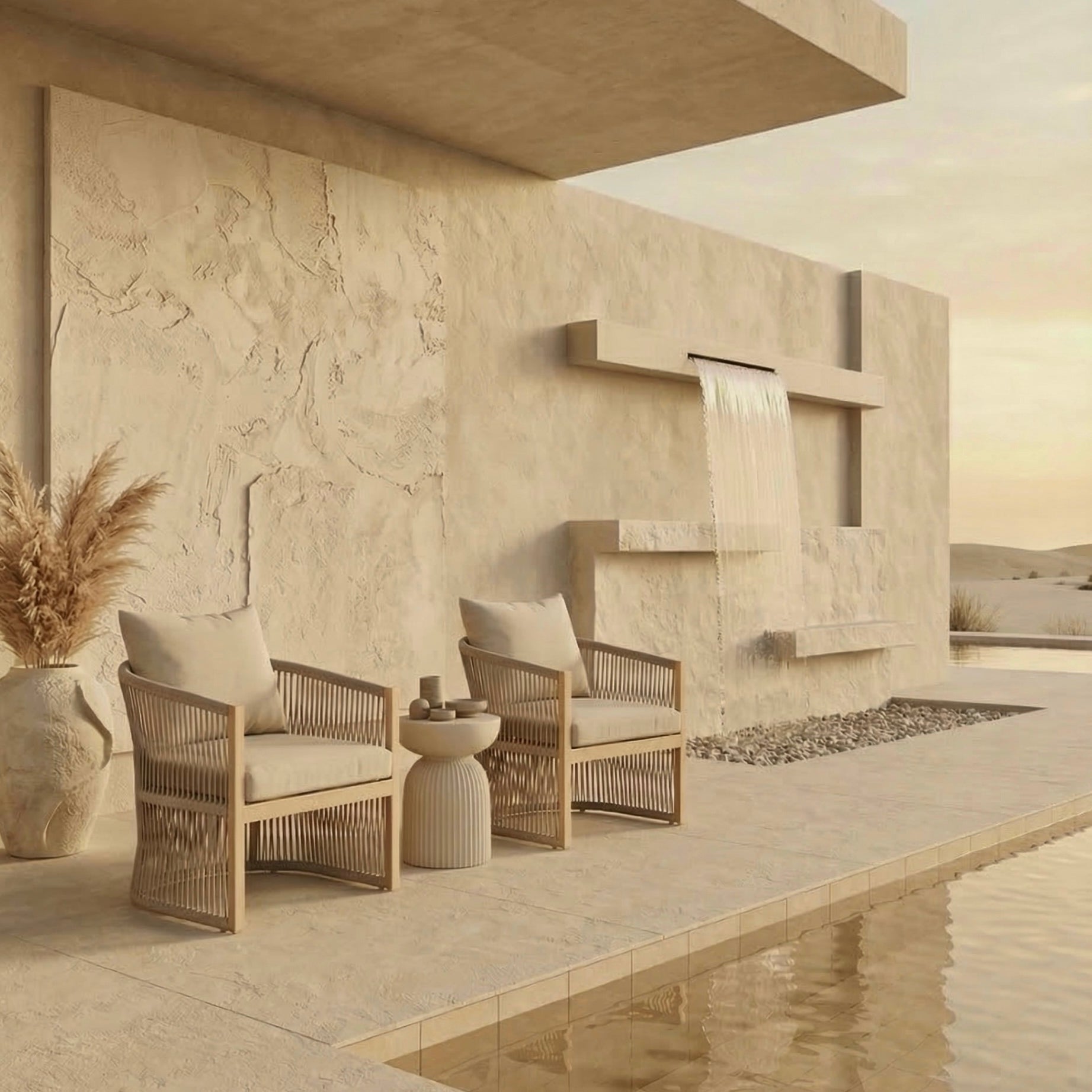
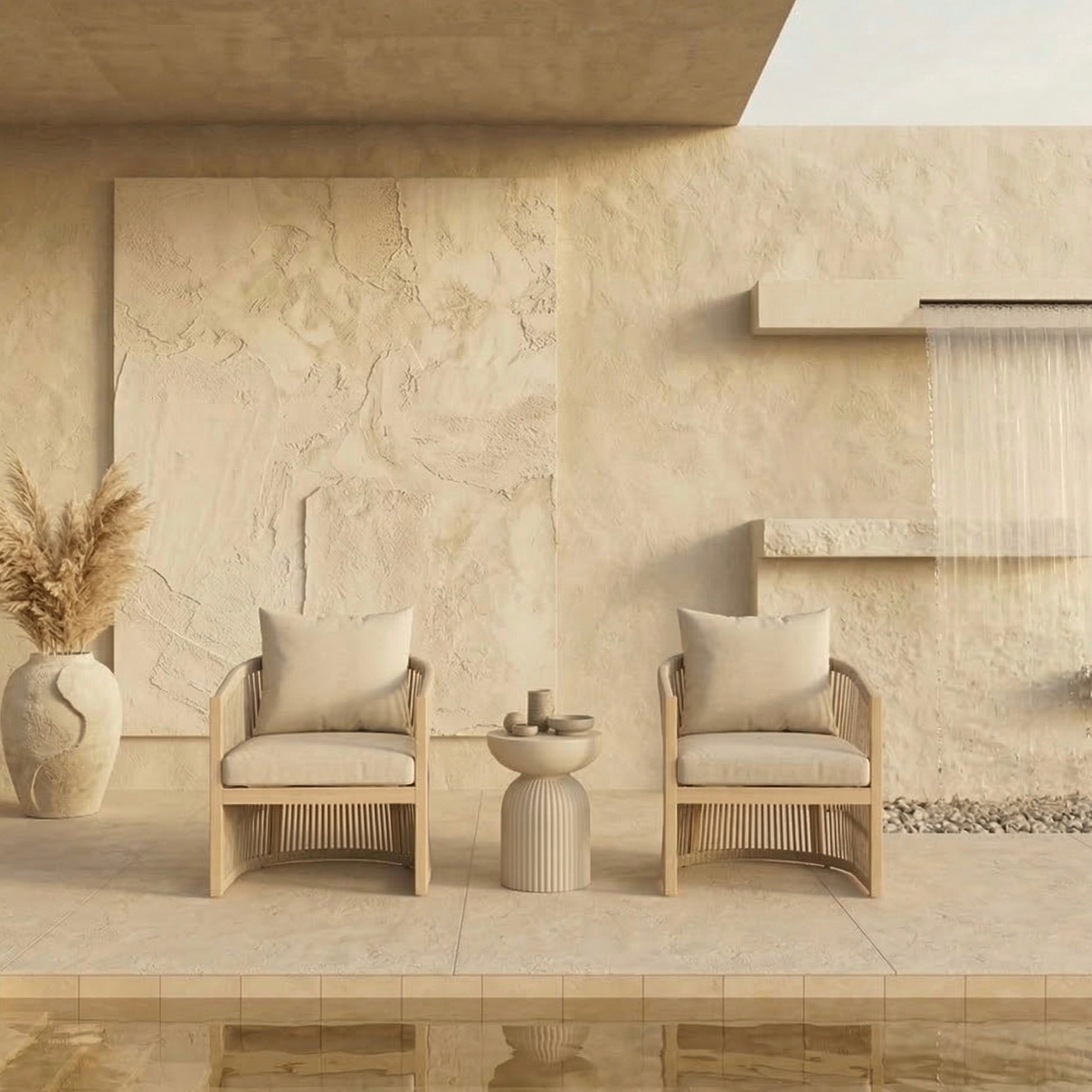
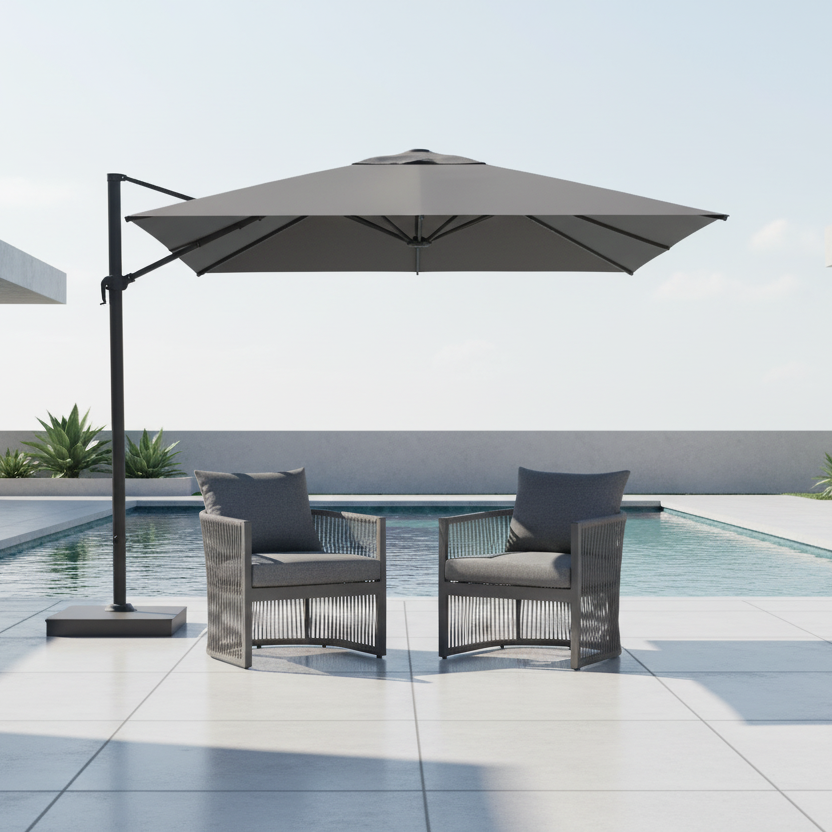
The outdoor patio of the Bellini Residence is designed to be a seamless extension of the interior envelope. In this space, the architectural heavy lifting of the stone walls meets the softness of the surrounding landscape, creating a transition that feels entirely natural. The design intention was to treat the exterior as a primary living zone where the material honesty of the home is maintained under the open sky.

The emotional tone of the patio is one of expansive stillness. We achieved this by continuing the use of large format stone pavers that mirror the flooring of the interior, effectively blurring the boundary between inside and out. The presence of a low, architectural pool introduces the element of water, which acts as a reflective surface for the shifting light of the day. This environment is the physical manifestation of Golden Hour: The Quiet Pause We Didn’t Know We Needed, where the architecture serves as a backdrop for the slow transition of light from afternoon to dusk.
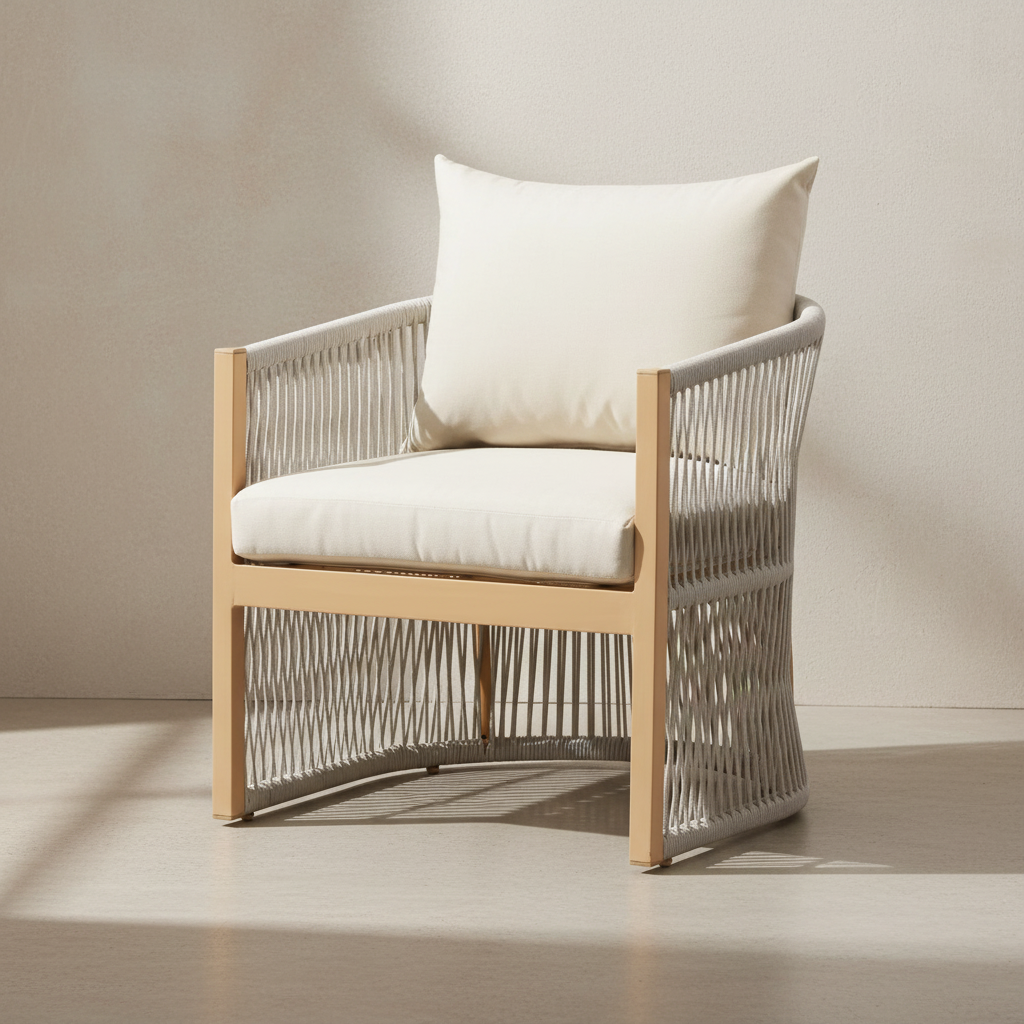
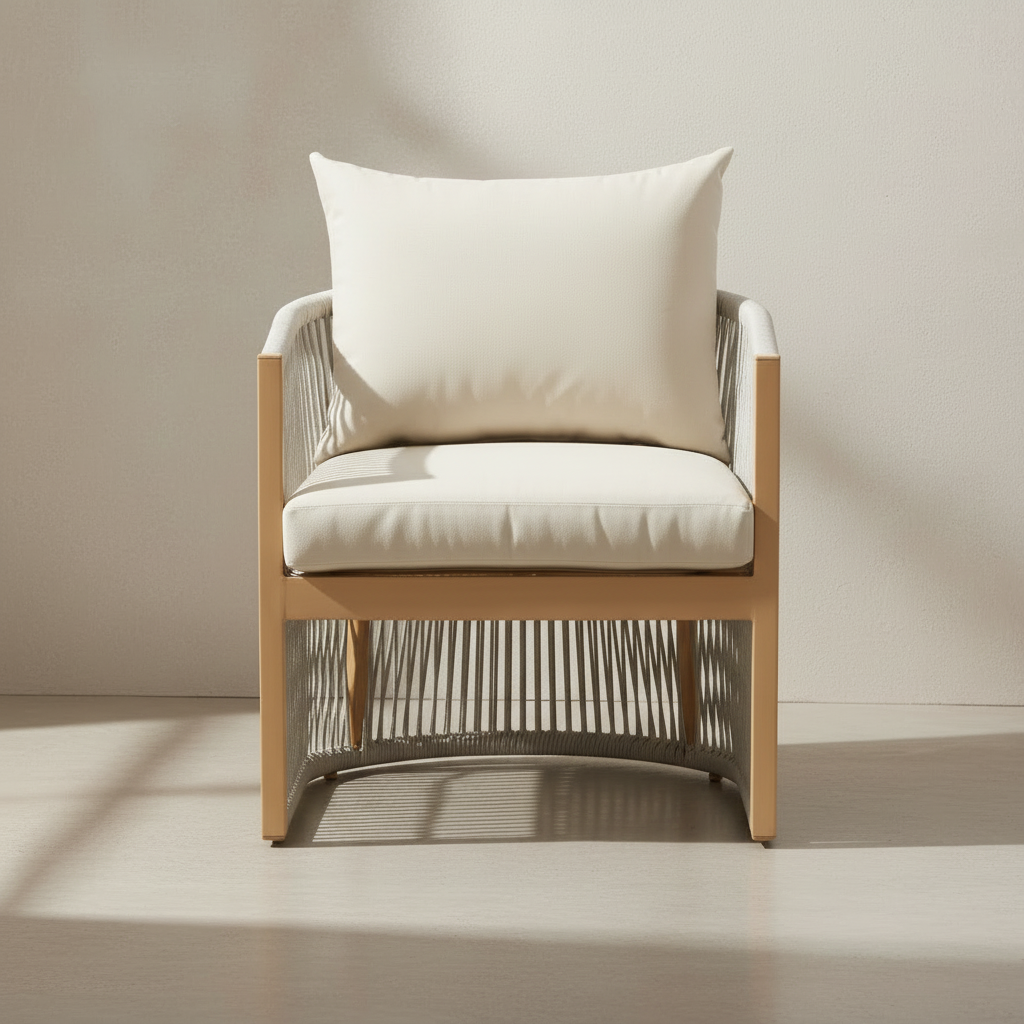
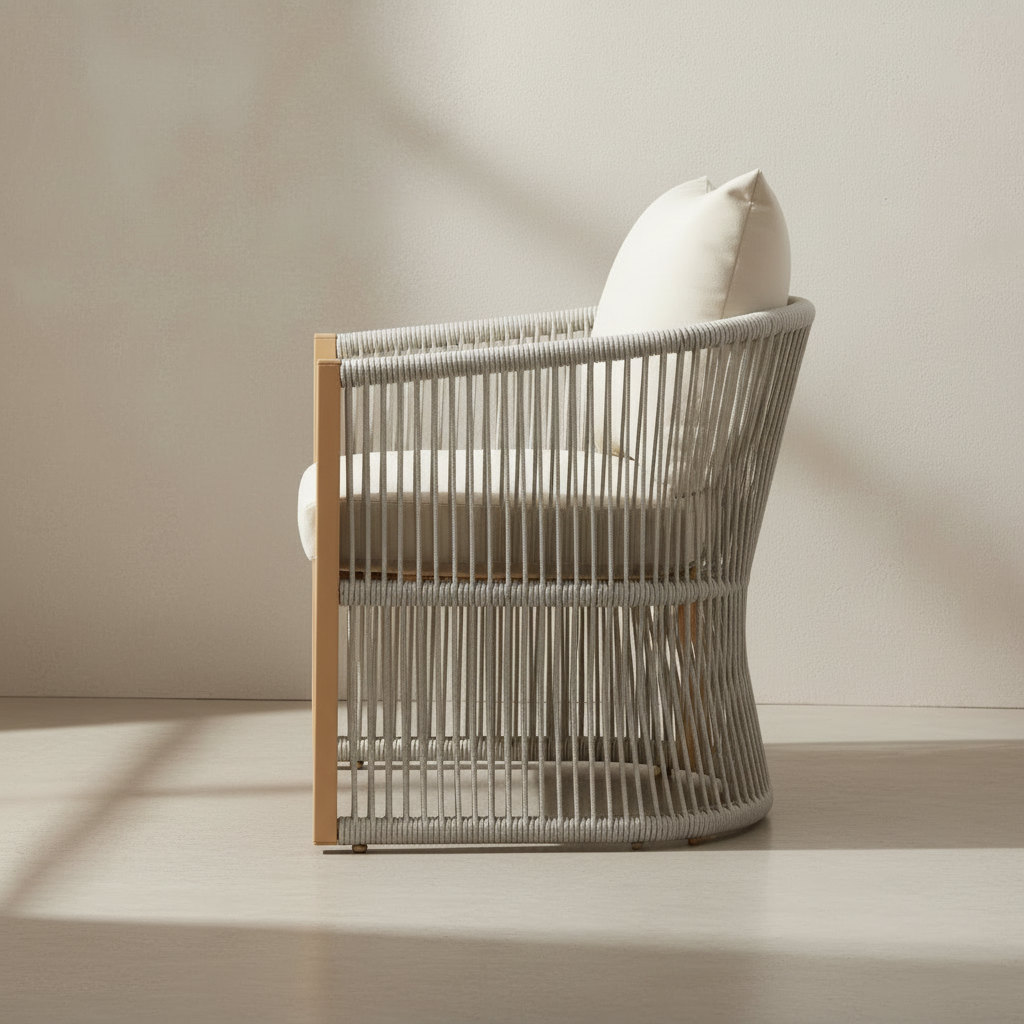
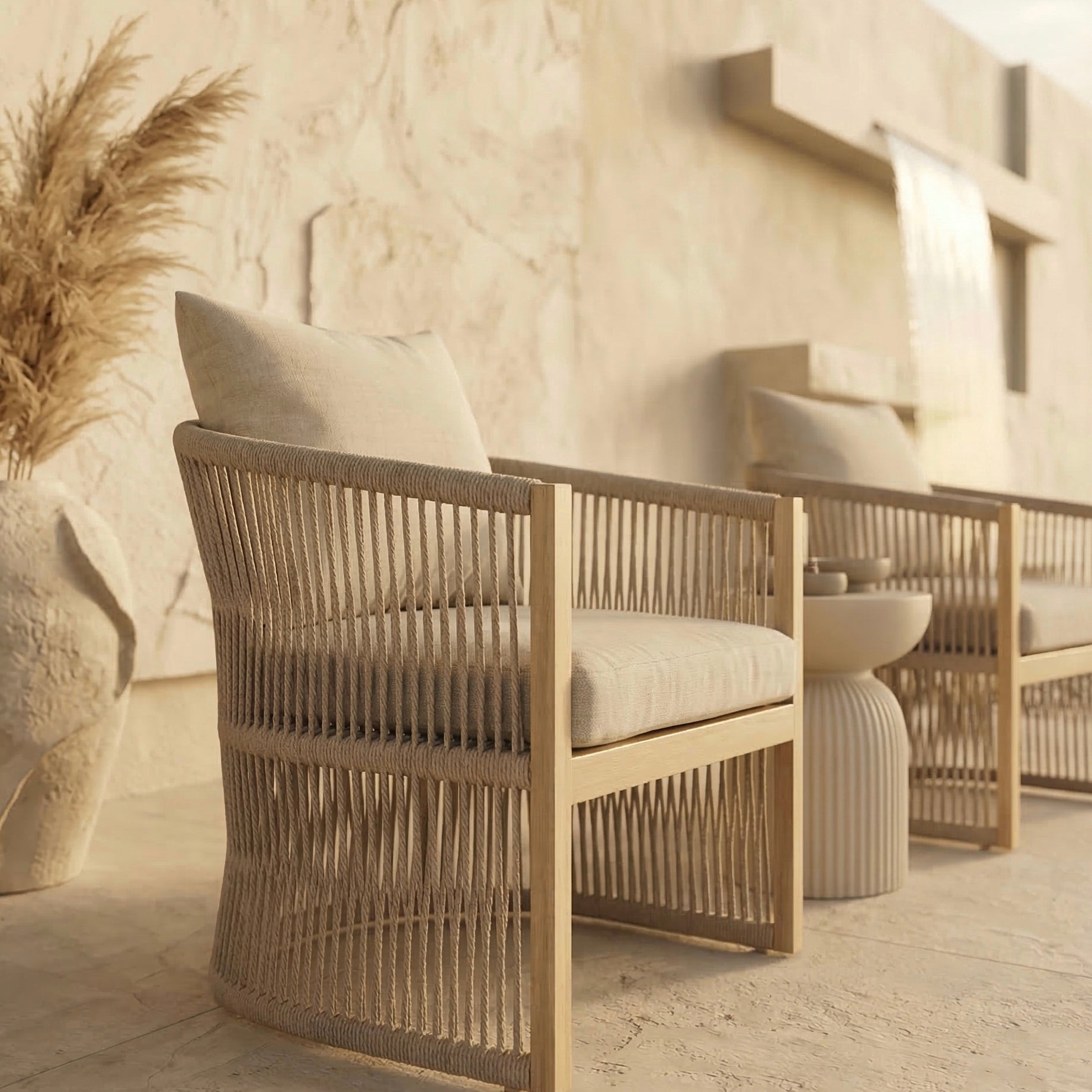
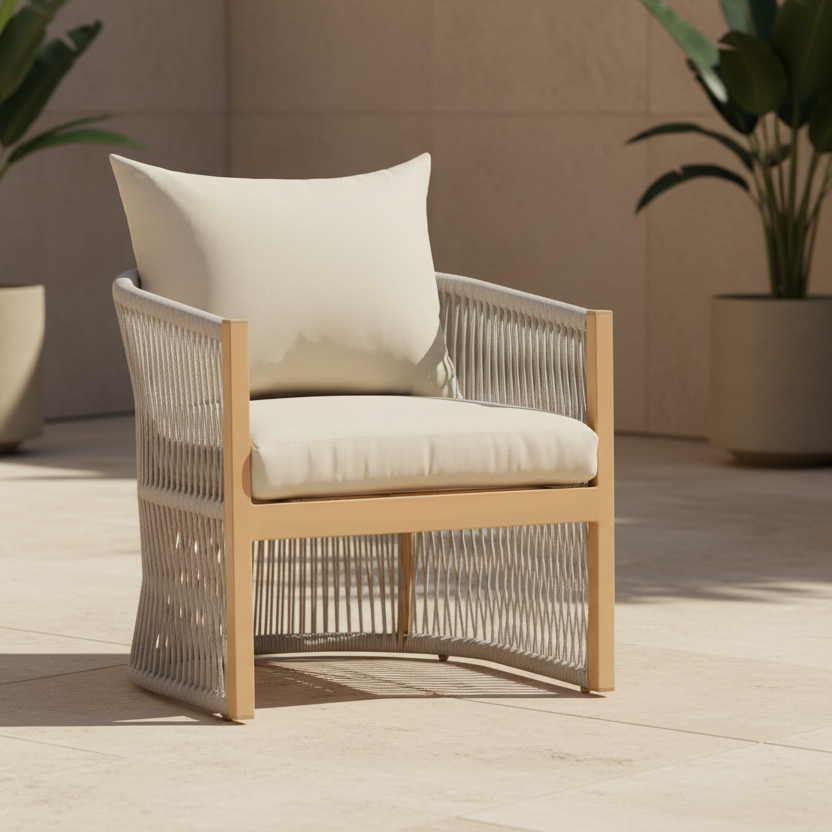
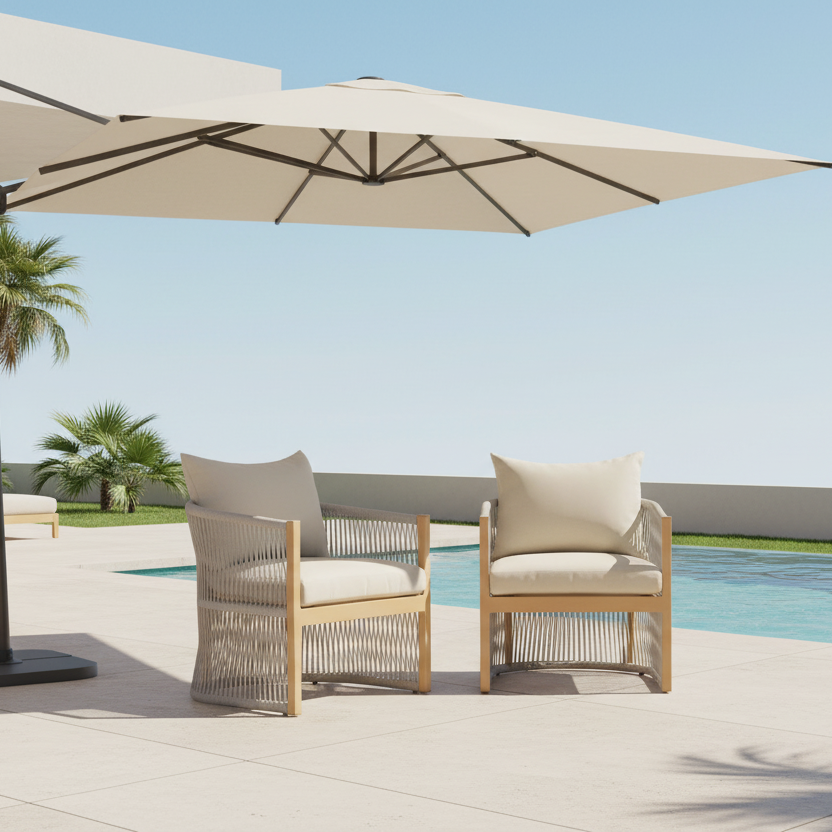
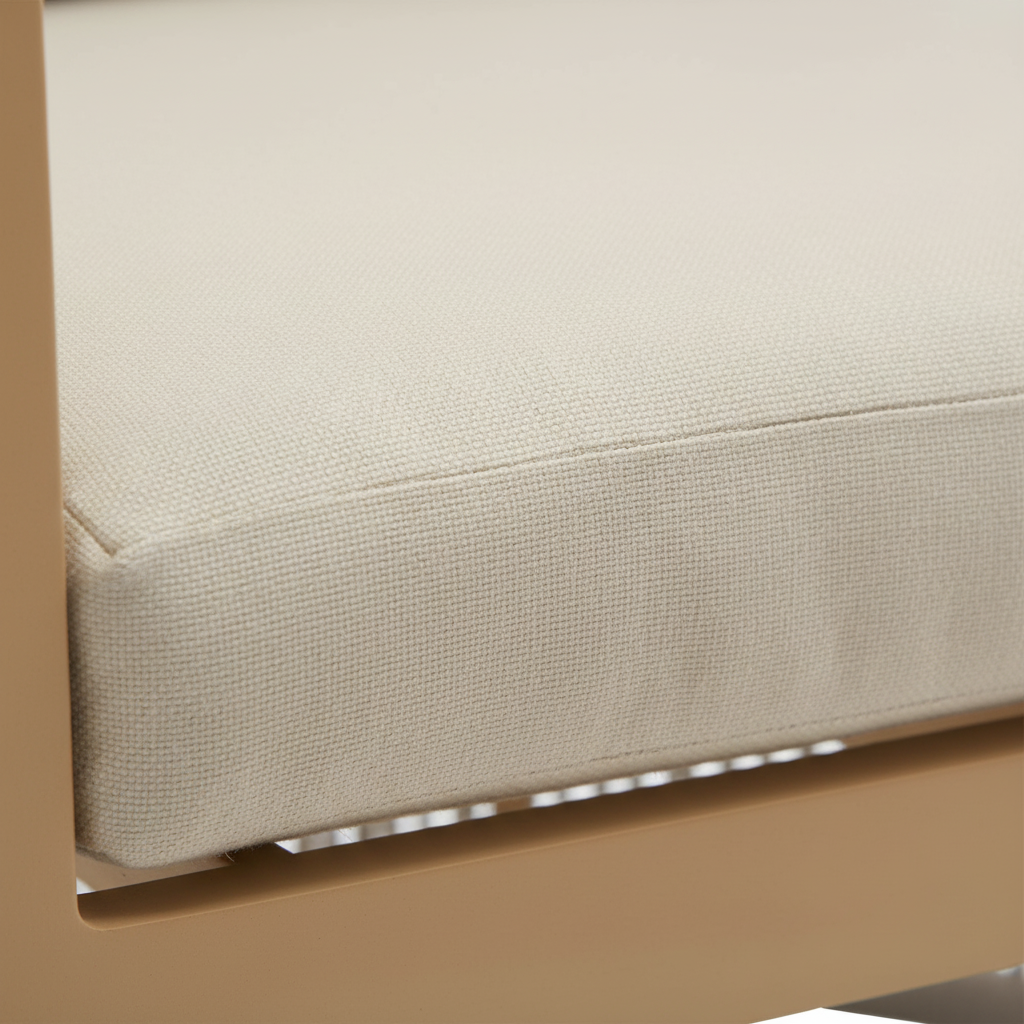
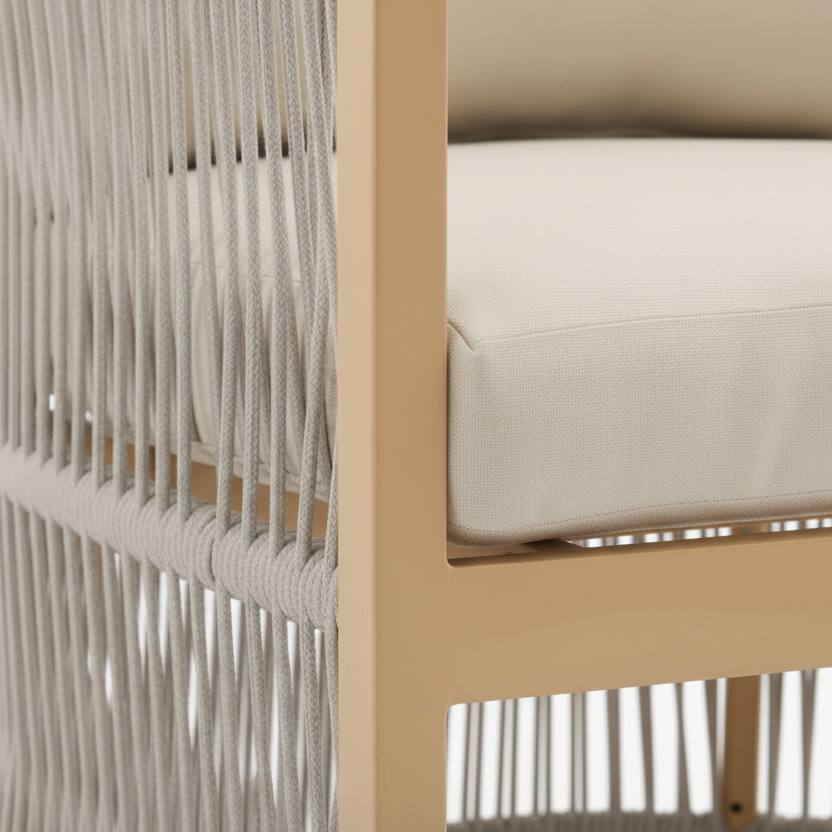
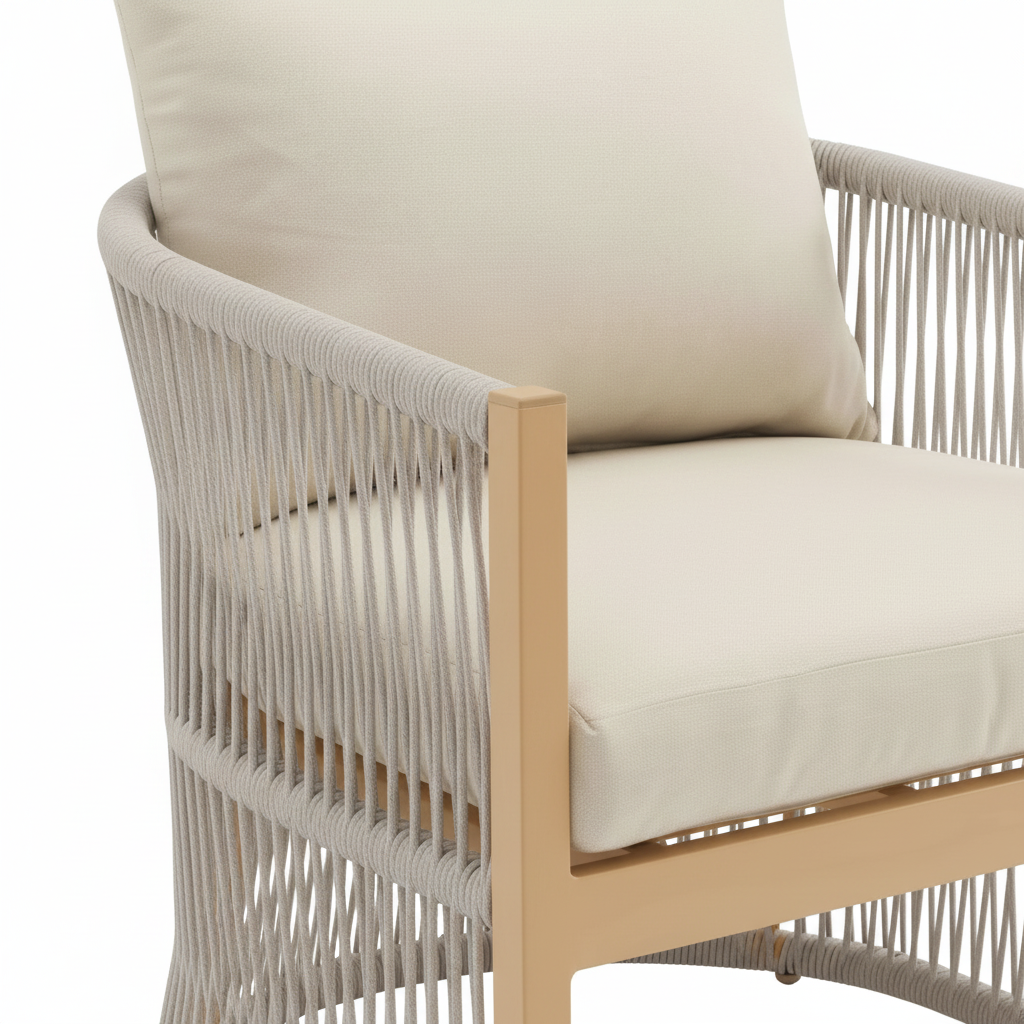
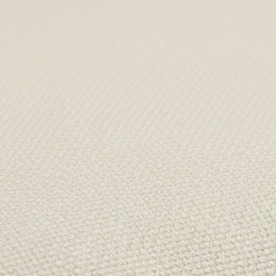
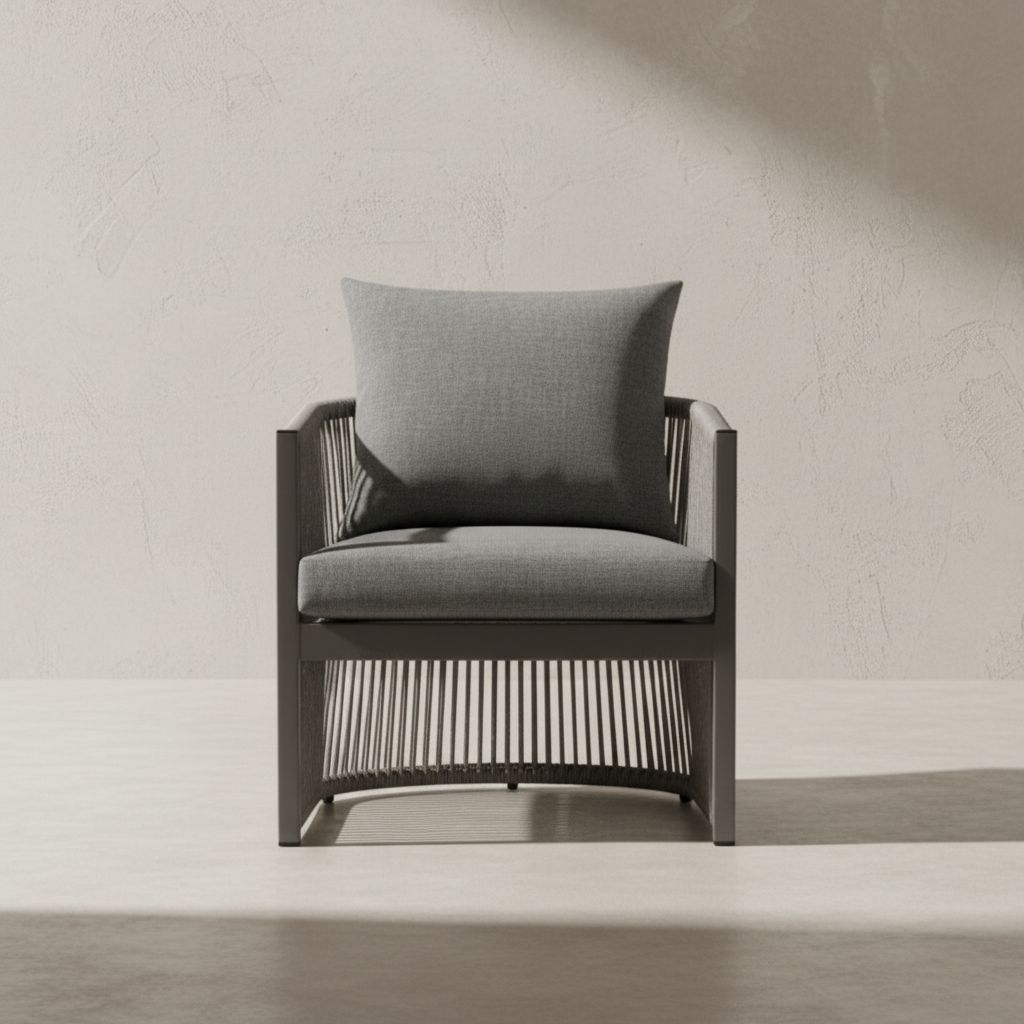
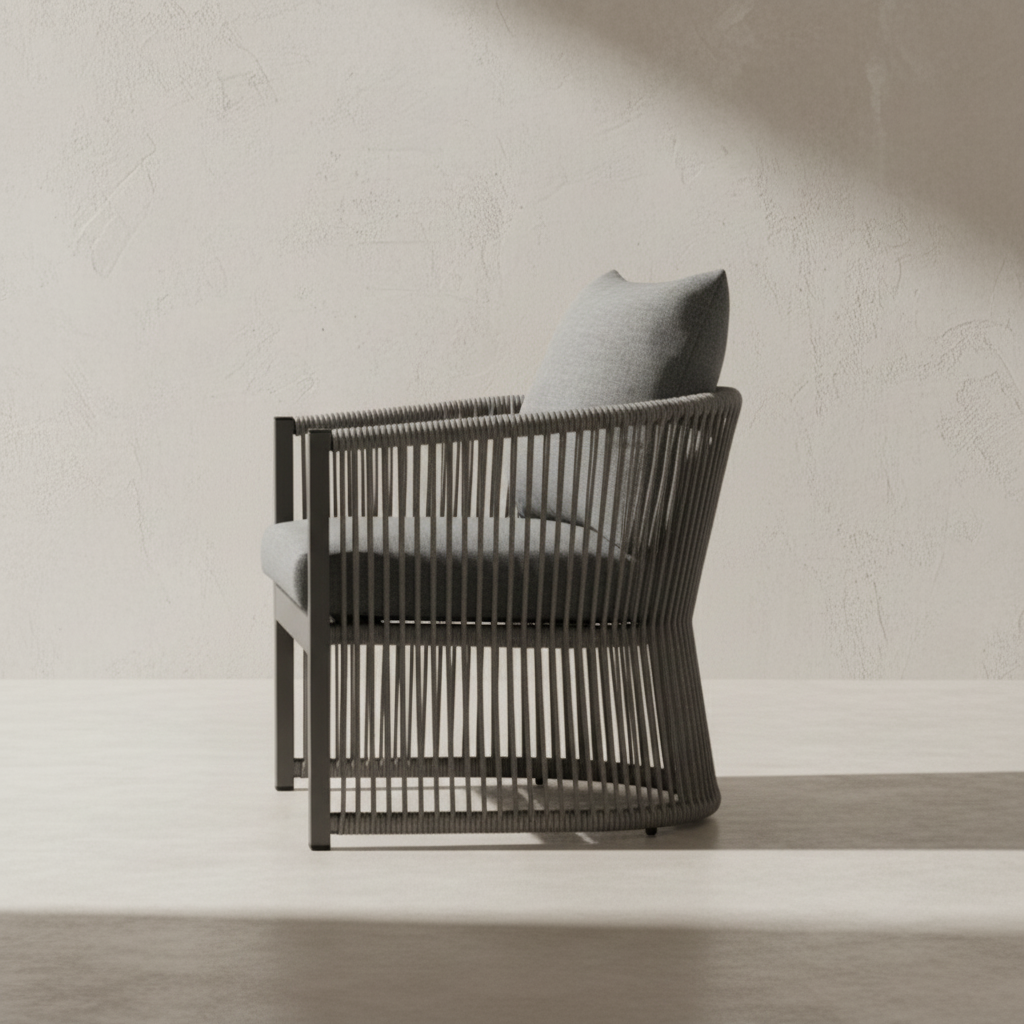
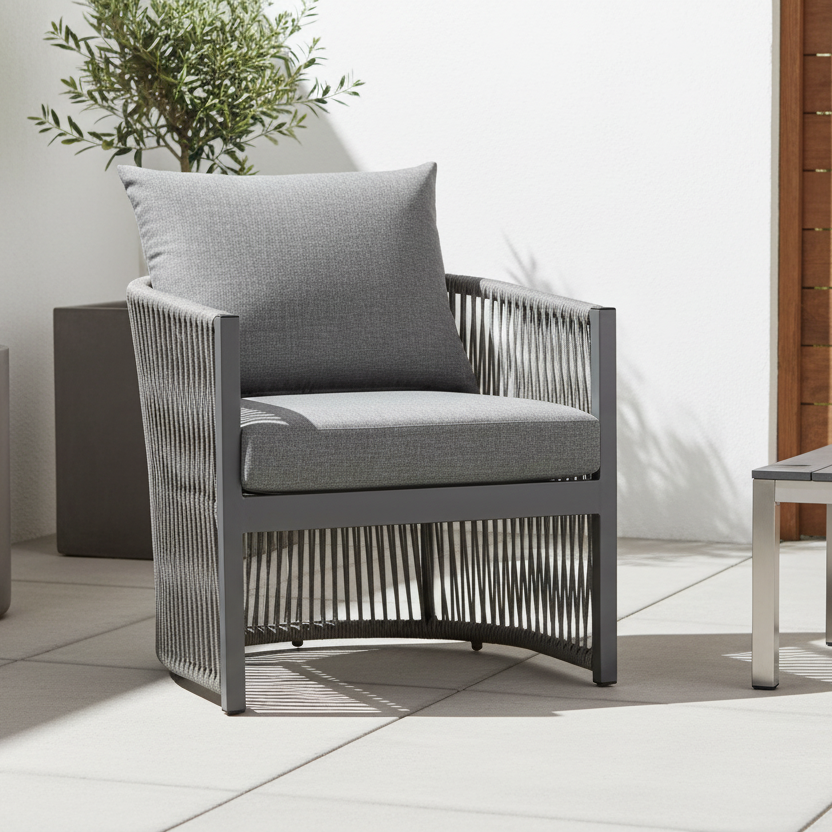
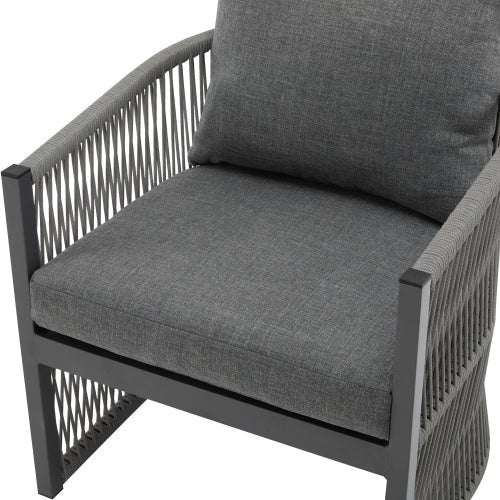
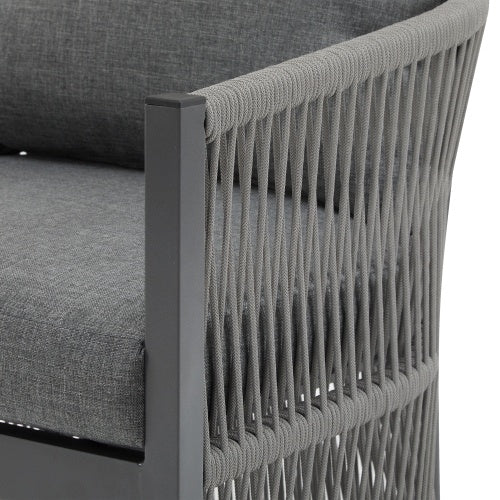
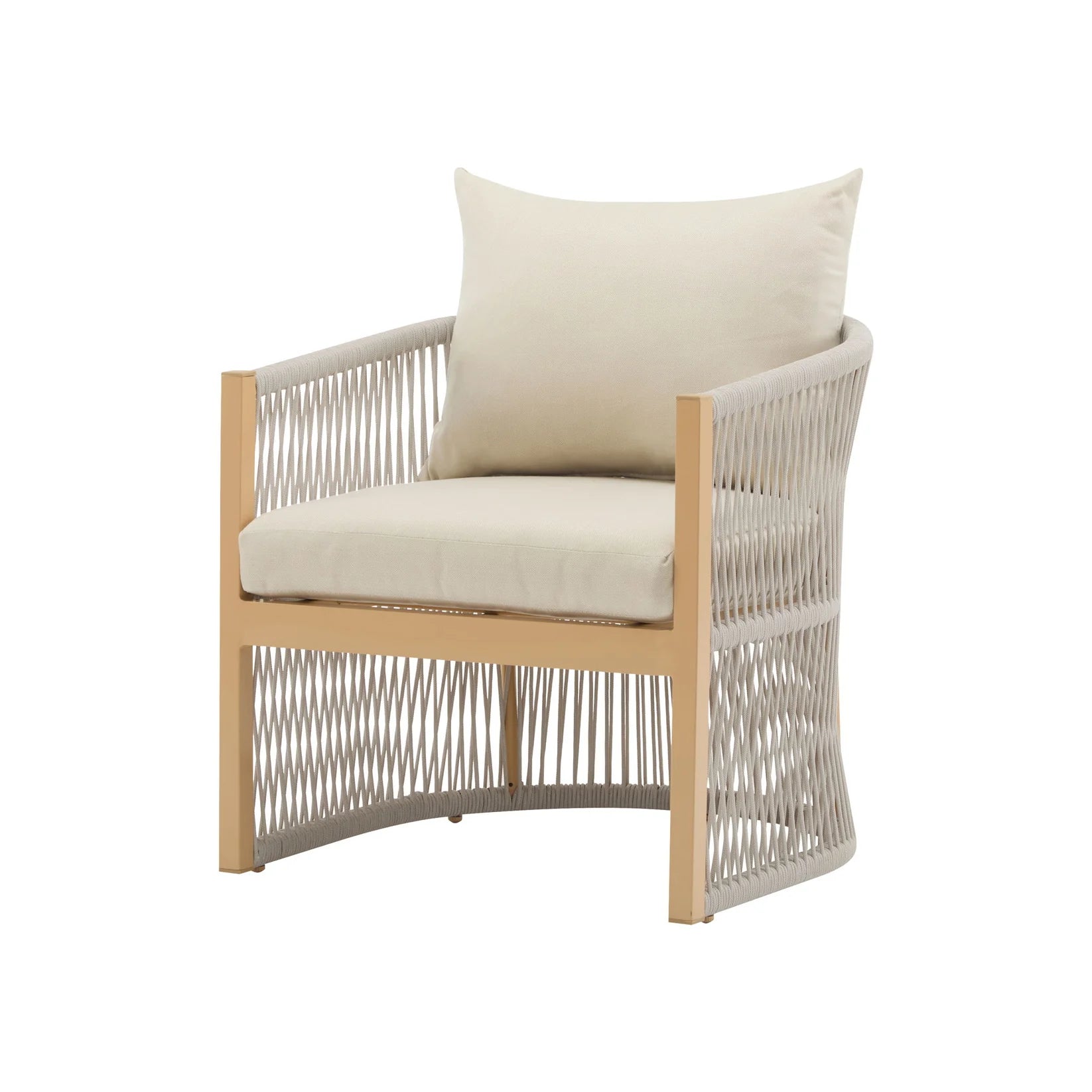
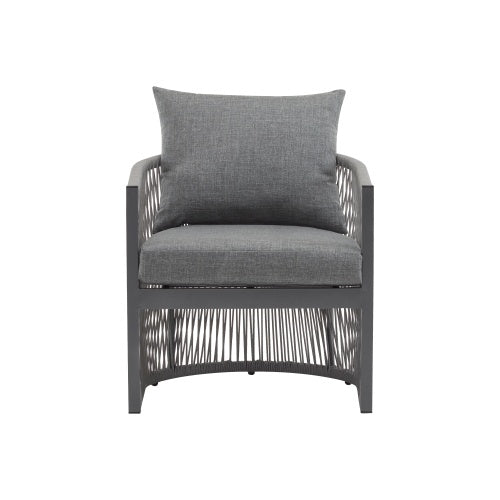
To solve the spatial problem of providing comfortable seating that could withstand the elements without appearing bulky, we selected the Eko Curved Rope-Weave Outdoor Lounge Chair. The reasoning for this choice was based on the chair's sculptural curved silhouette, which introduces a rhythmic, organic form to the linear geometry of the stone patio. We utilized the gray and natural beige colorway to ensure the pieces remained within the residence’s strict monochromatic palette. The aluminum frame and UV resistant synthetic rope offer the necessary durability for long term outdoor use while maintaining a lightweight, airy presence that does not obstruct the view of the horizon.

In The Outdoor Edit: Summer Styled by DT Home, we explore how the transition to outdoor living should not require a sacrifice in design rigor. For the Bellini Residence, we curated the patio with the same level of restraint applied to the foyer. Every element, from the placement of the lounge chairs to the integration of low-profile greenery, was considered for its contribution to the overall spatial balance. The result is a space that feels grounded and permanent, offering a sanctuary for reflection that is deeply connected to the natural world.
The Conclusion: A Narrative of Stillness
The Bellini Residence is a manifestation of a specific way of living. It serves as an organic modern interior design case study that proves when we prioritize material honesty and spatial clarity, the result is a home that feels both grounded and light. Every choice, from the weight of the stone island to the curve of a chair, was made with a deep understanding of how form dictates human experience.

Finalizing a project of this scale requires a rigorous commitment to the original vision. As explored in The Ultimate Guide to Choosing the Perfect Furniture for Your Home, the process of selection is not about filling a room, but about finding the specific pieces that solve a spatial problem while supporting the intended atmosphere. In this residence, the furniture does not compete with the architecture; it completes it.
We invite you to view these spaces not as a finished destination, but as an example of what is possible when design is approached with restraint and intention.